.webp)
.webp)
.webp)
.webp)
.webp)
.webp)
.webp)
.webp)
.webp)
.webp)
Spring
BestMar – May
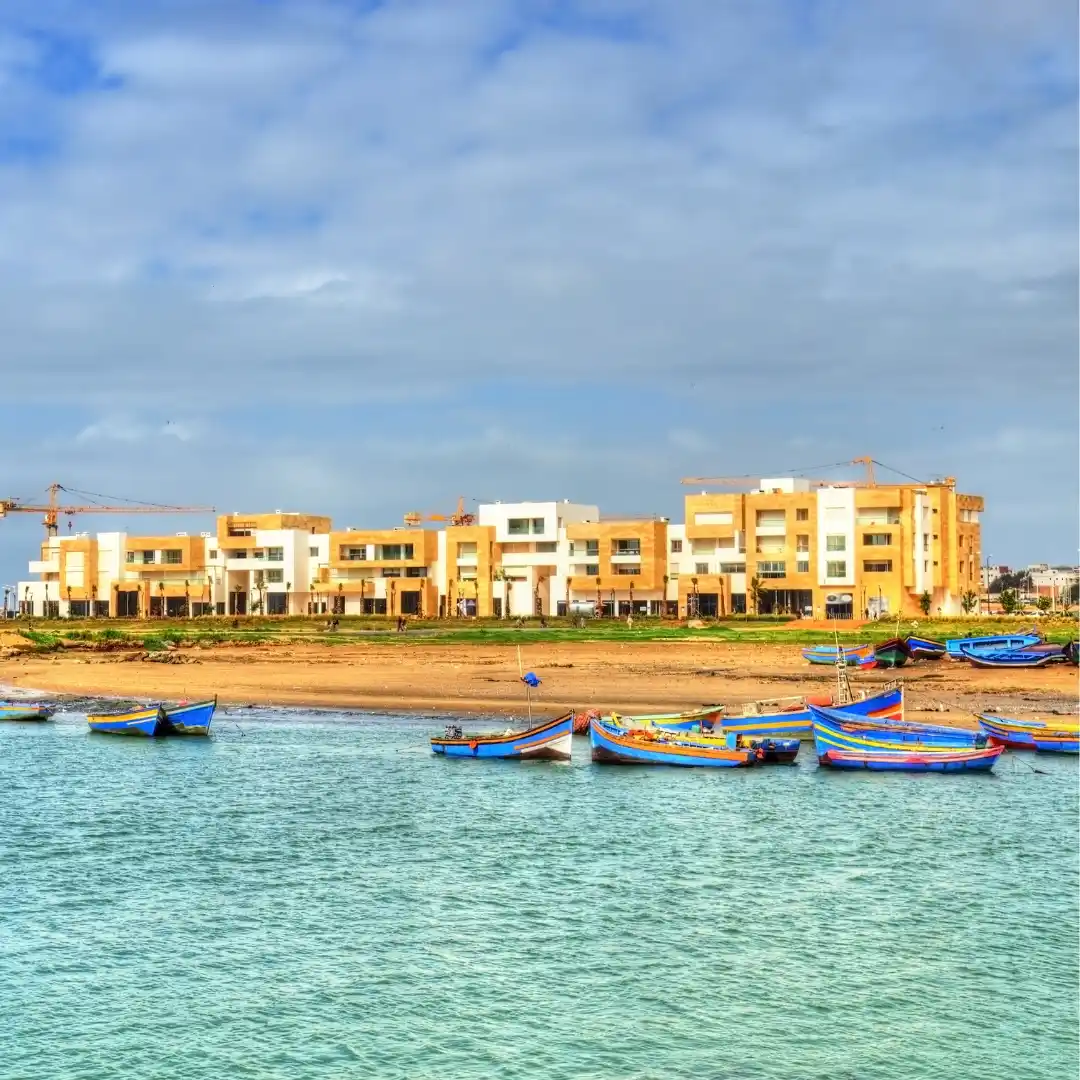
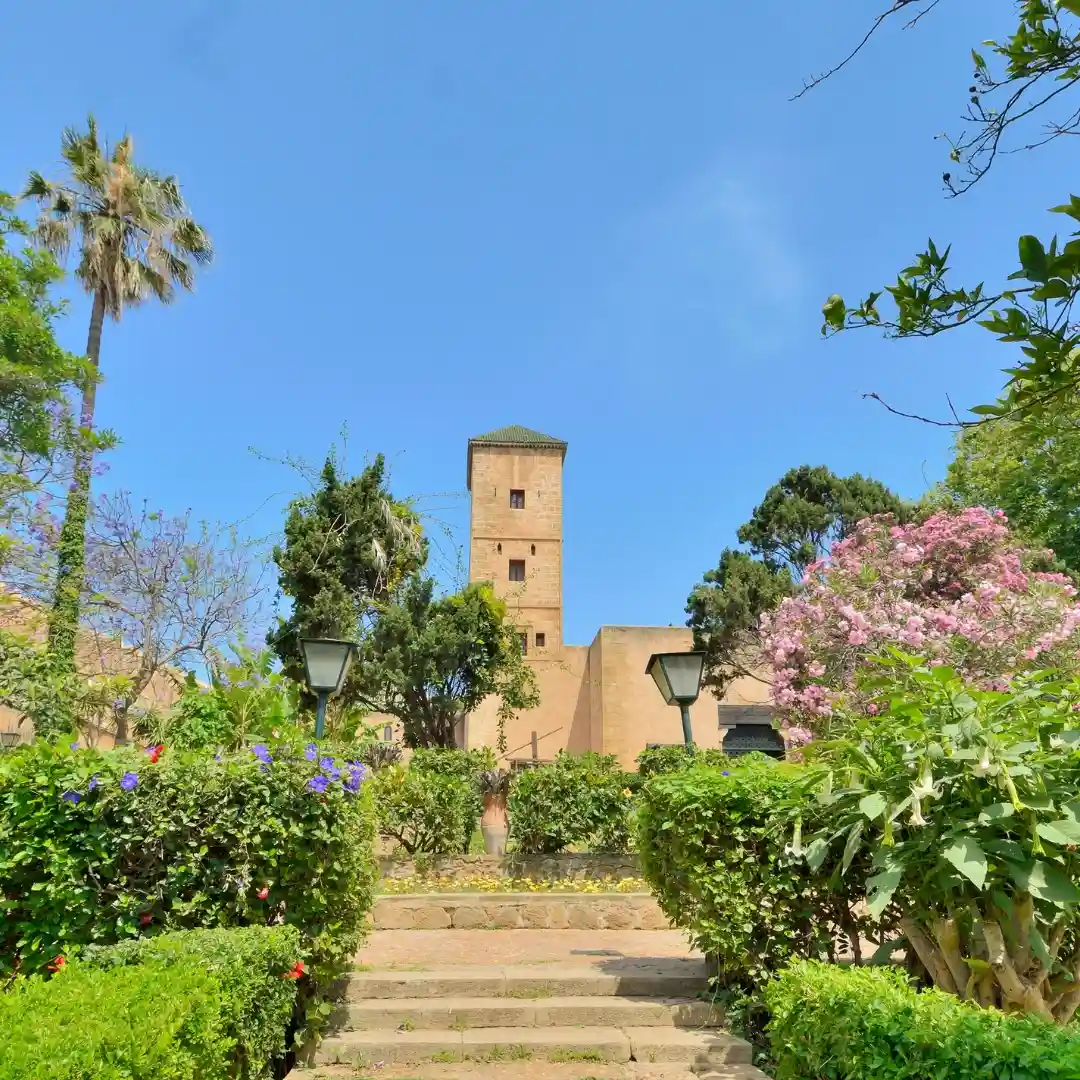
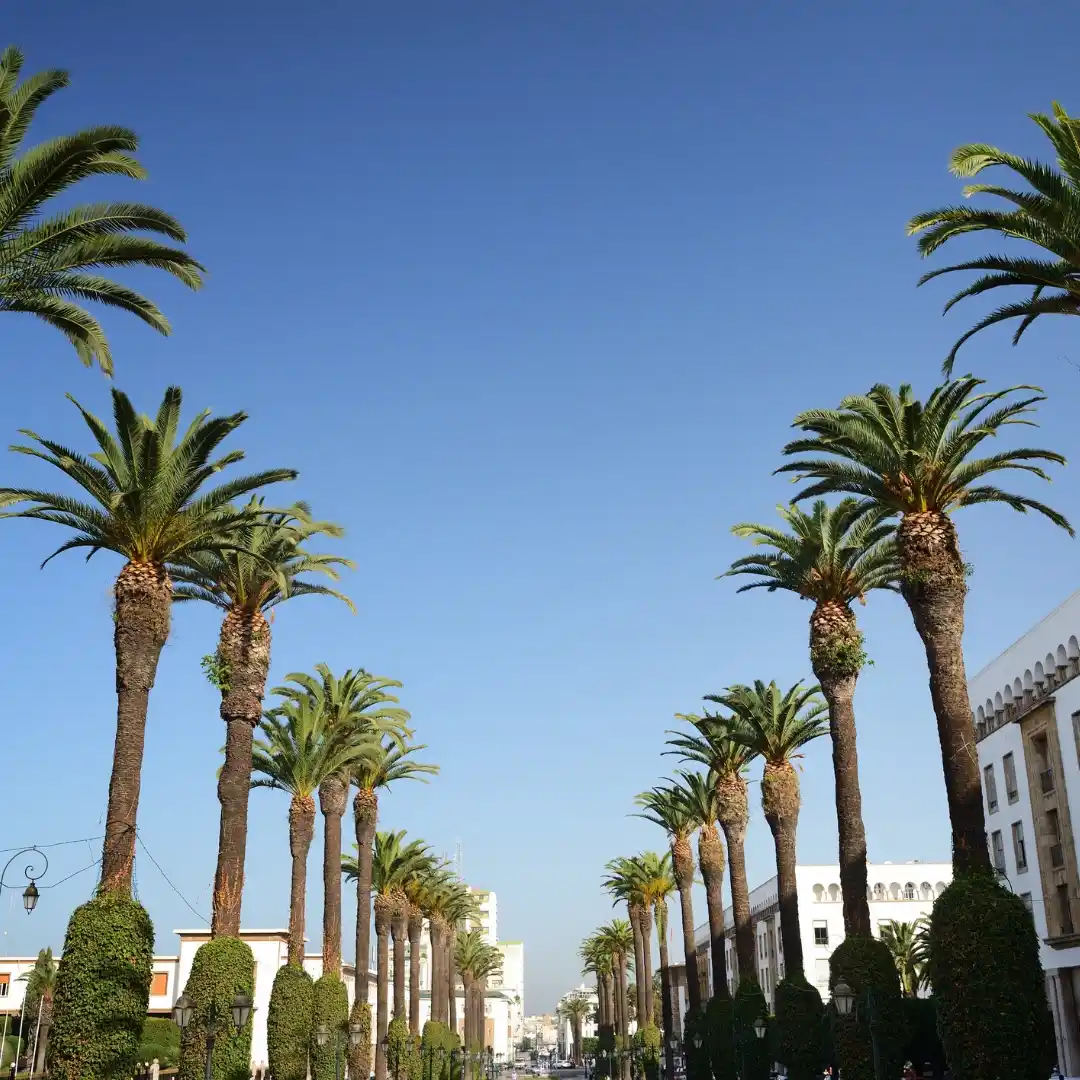
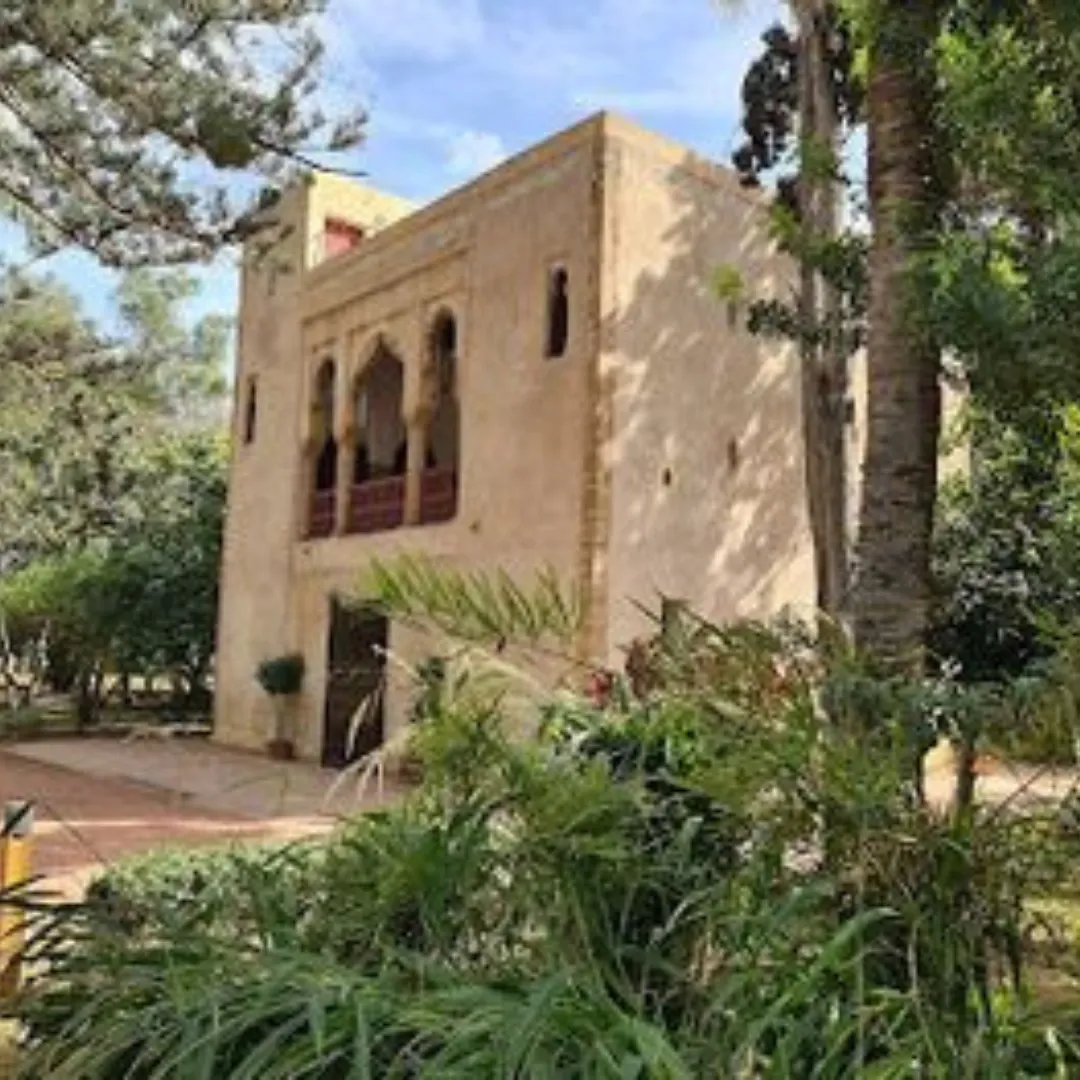
Spring is particularly comfortable for walking around the Medina, Kasbah and historic monuments. The gardens and green spaces also benefit from the season.
Private journeys across Morocco
Visit Morocco Tours

A real person replies within 48 hours · Email us
Destination
Morocco’s capital combines royal heritage, ancient walls, Atlantic horizons and carefully planned modern streets. Calm by Moroccan standards, Rabat gives history room to breathe.
Request Your Personal QuoteRabat travel guide · Updated 2 October 2026
Rabat is a capital with two personalities, and neither needs to compete for attention.
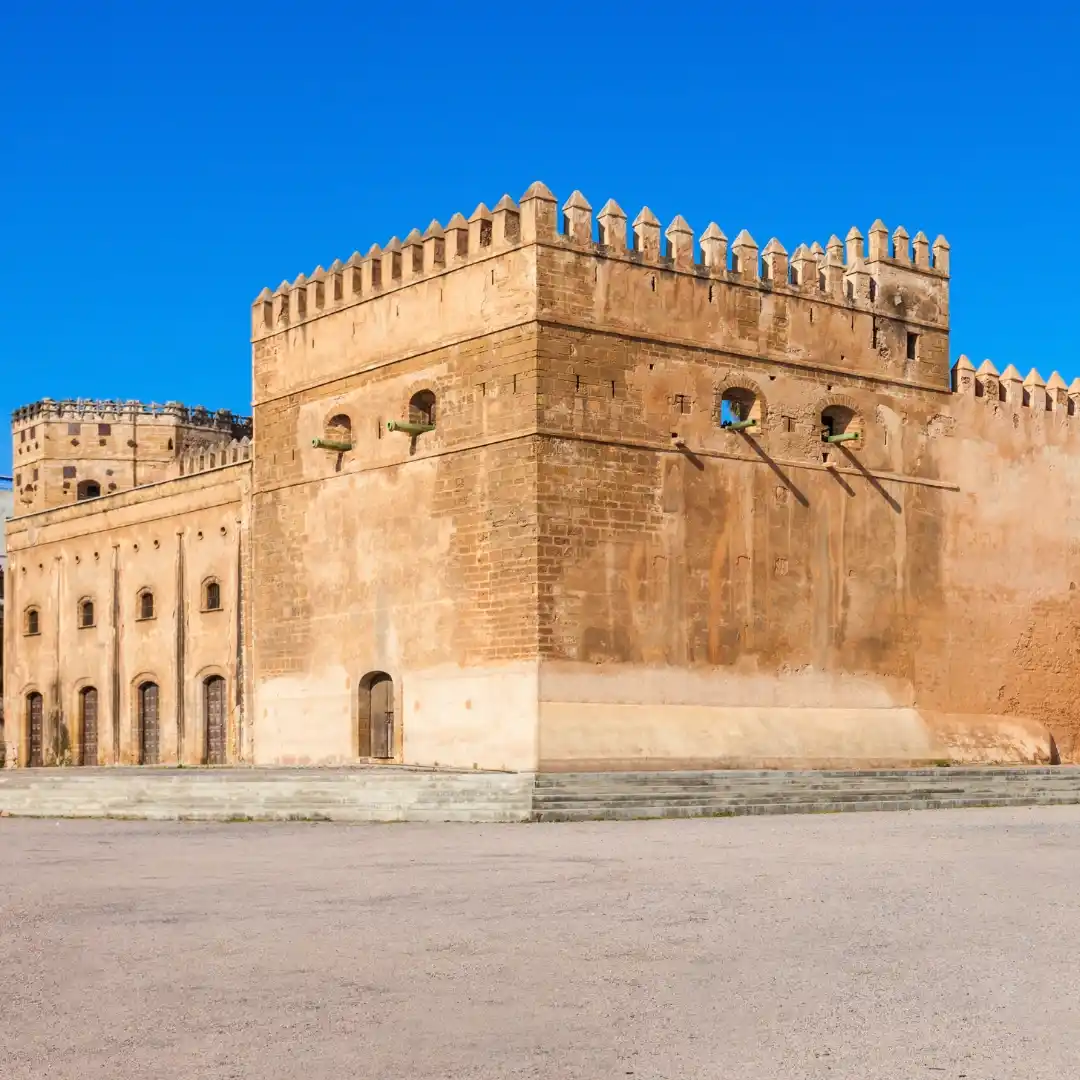
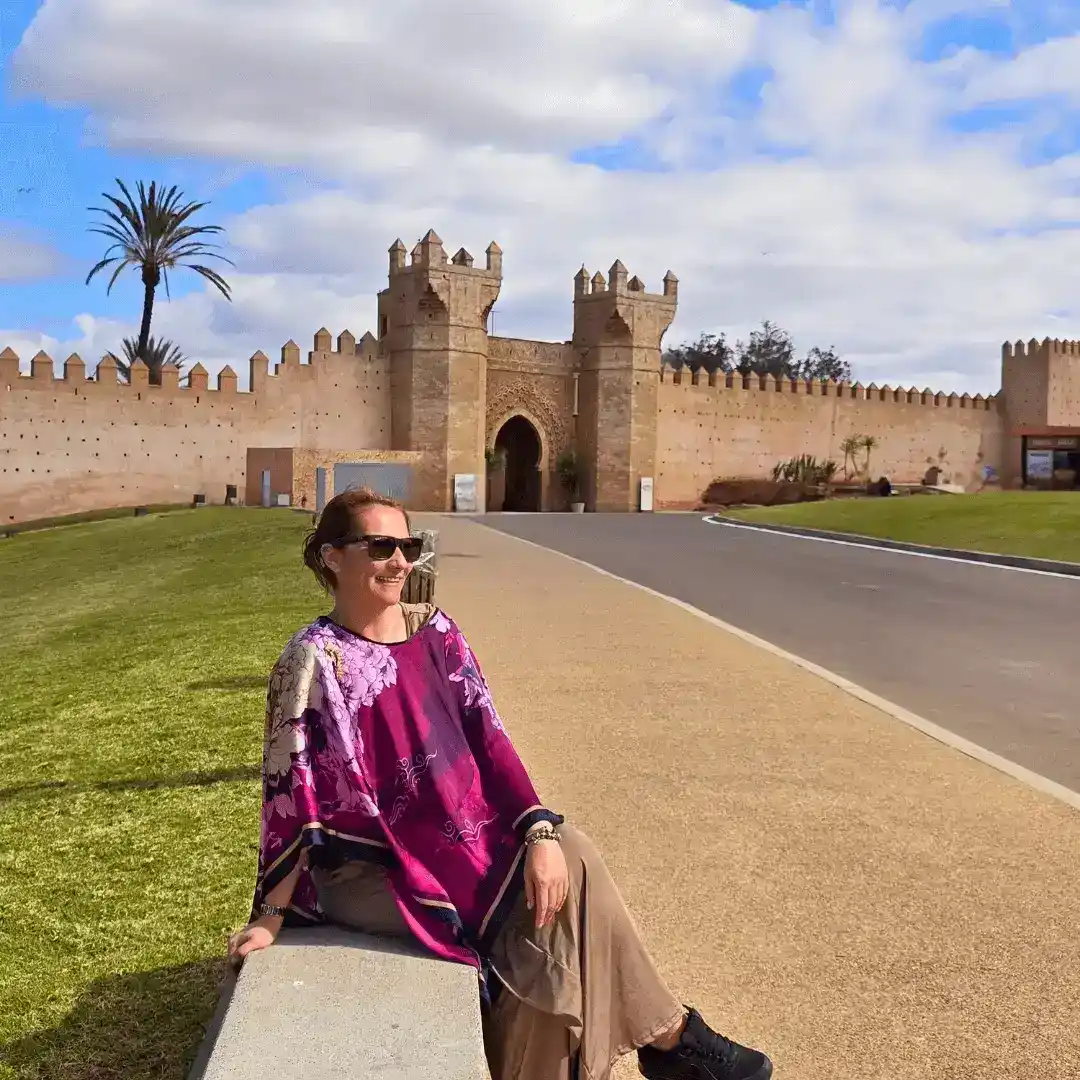
On one side, you have the historic city, with the Medina, Kasbah of the Oudayas, Almohad walls, Hassan Tower and the Chellah. On the other, you have a modern capital shaped by 20th-century urban planning, diplomatic life, museums, parks and wide avenues. UNESCO recognises this combination as a single World Heritage property, describing Rabat as a meeting point between Arabo-Muslim heritage and modernist urban planning.
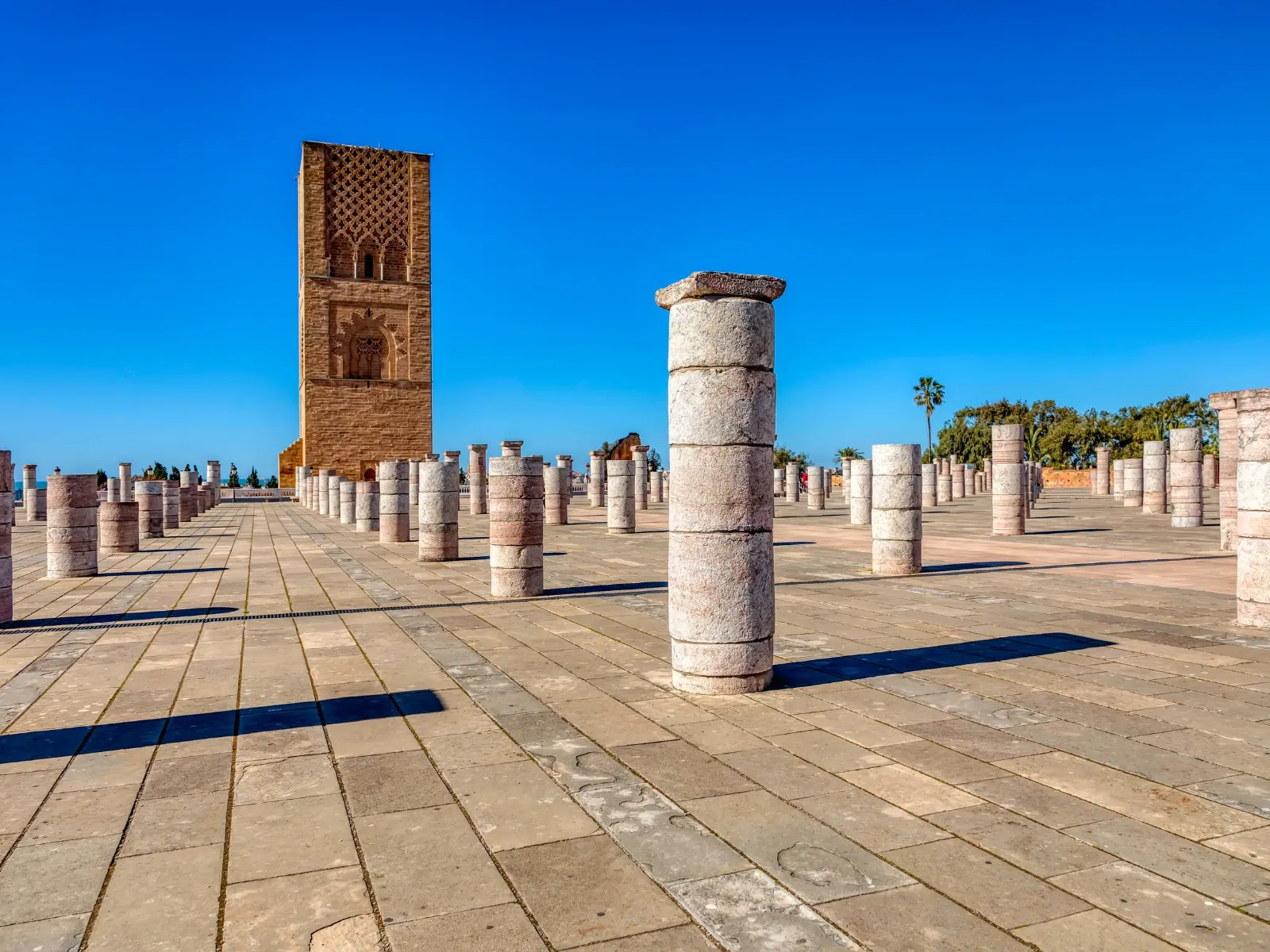
The city's history stretches far beyond the modern Moroccan state. Rabat's older heritage includes the remains of the Almohad capital project, whose Hassan Mosque began construction in 1184. The unfinished Hassan Tower now stands among the city's most recognisable landmarks, while the nearby Mausoleum of Mohammed V adds a more recent chapter to Morocco's royal history.
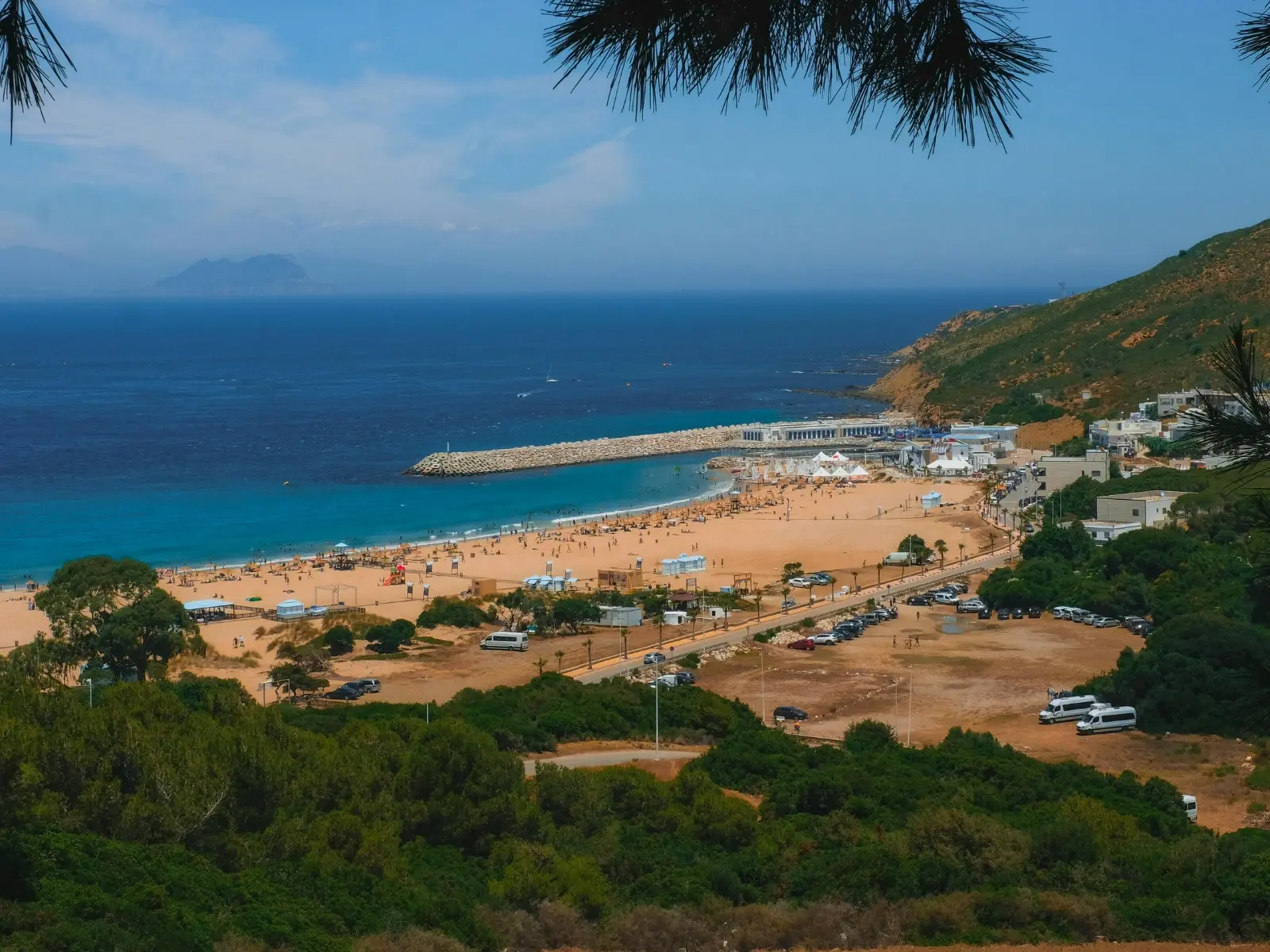
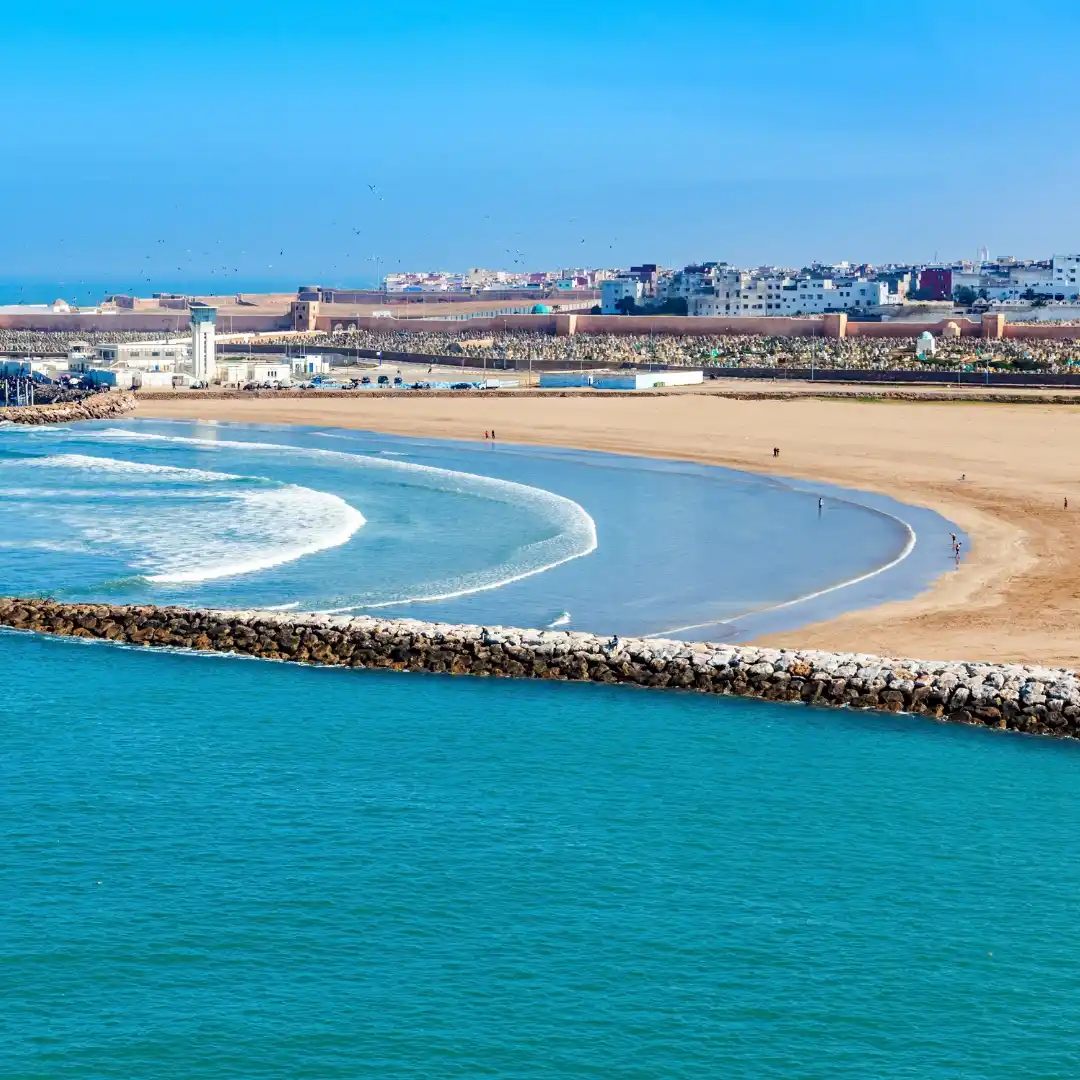
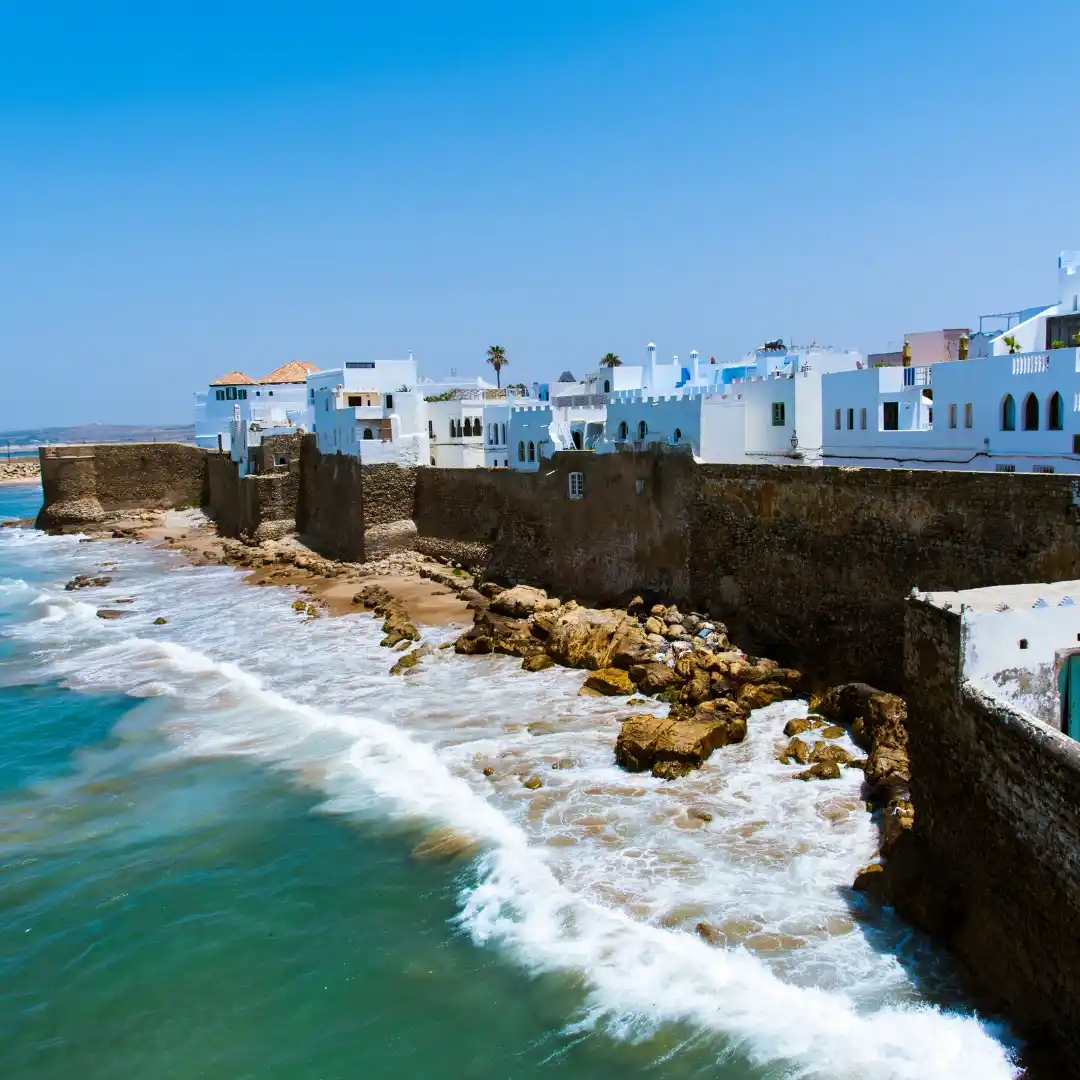
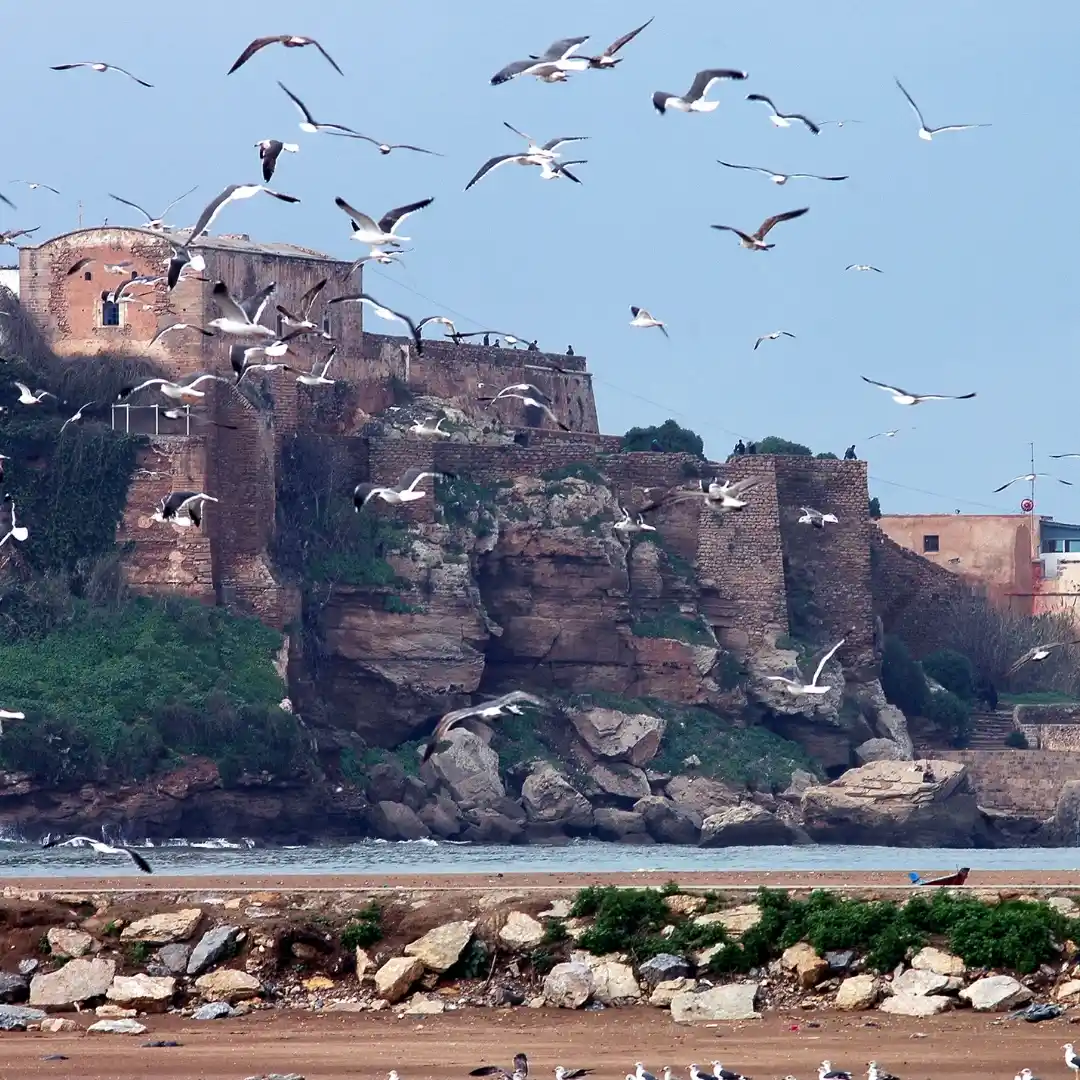
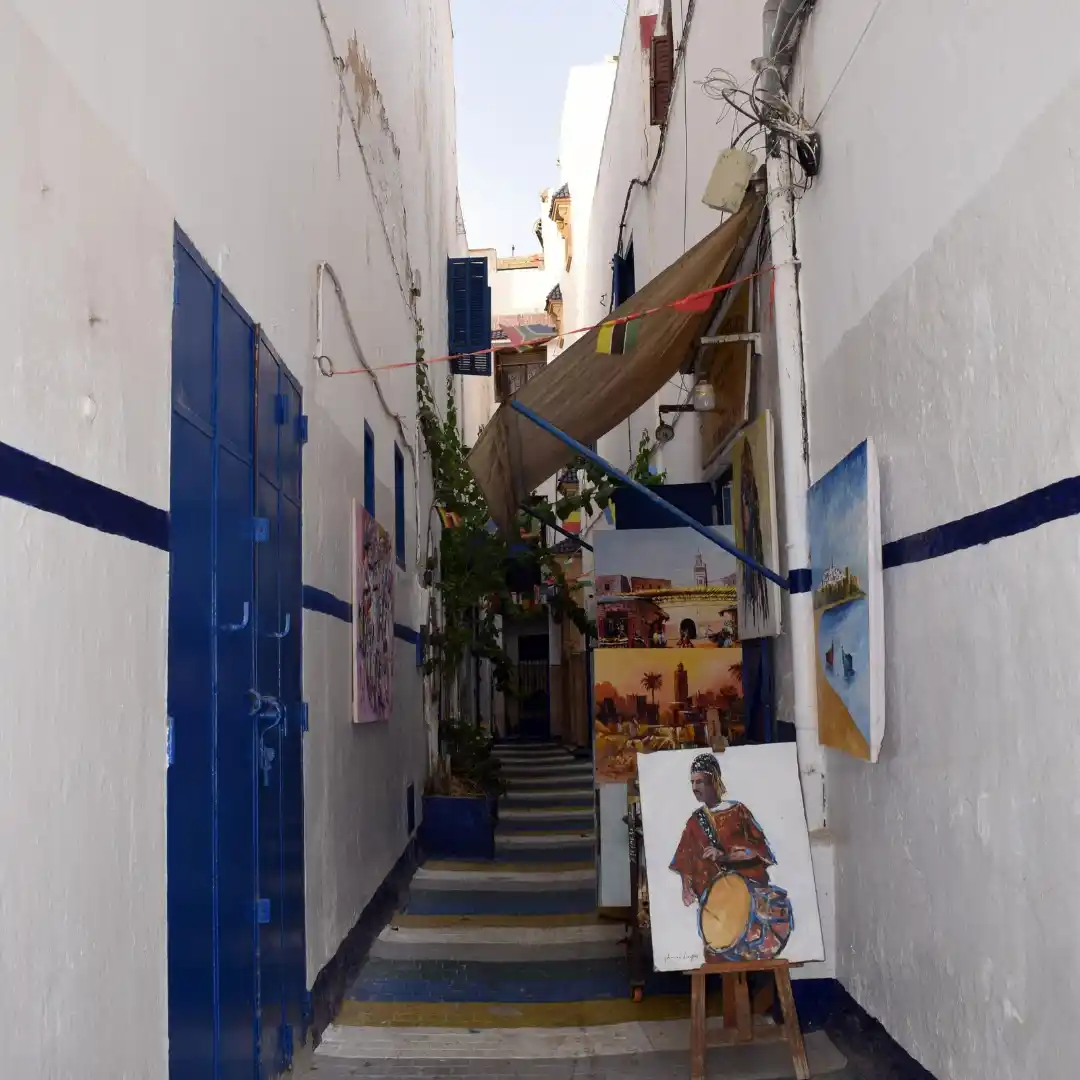
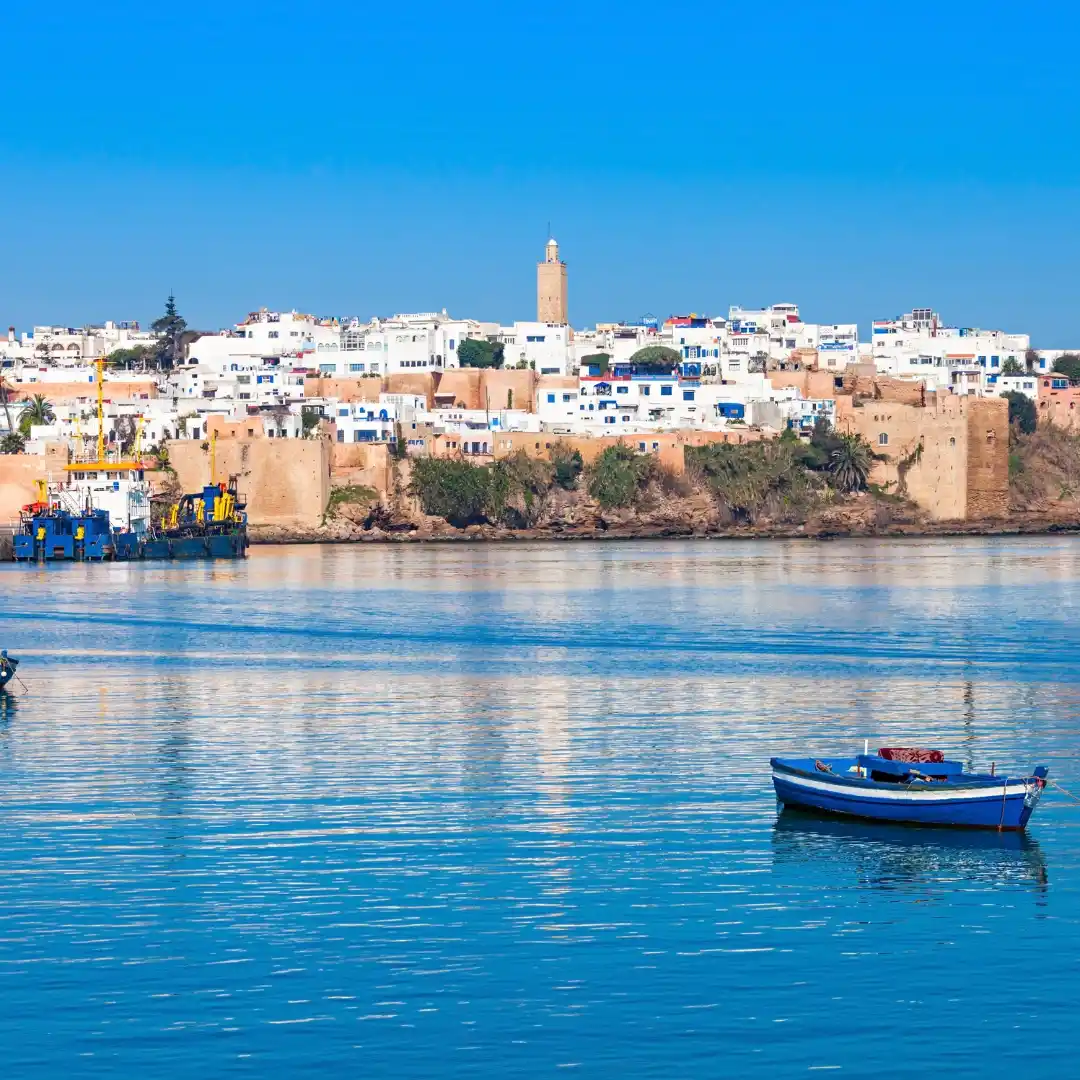
Across the Bou Regreg River, Salé adds another historic city to the experience. Along the Atlantic, beaches and the coastline bring a different rhythm. Inside the Kasbah of the Oudayas, whitewashed streets and Andalusian influences create one of Rabat's most distinctive corners.
Rabat is also one of Morocco's greener urban destinations. Parks, gardens, the Bou Regreg waterfront and tree-lined districts give the capital more breathing space than many larger Moroccan cities. The Moroccan National Tourist Office highlights the city's gardens, coastline, modern infrastructure and cultural programme as part of its appeal.
Rabat does not need to shout to make an impression.
Walk through the Medina. Follow the walls. Look towards the river. Then let the capital show you how Morocco connects its past with its present.
Every journey below departs from Rabat with a licensed local guide and a private vehicle. Prefer something of your own design? We build itineraries from scratch.
9 journeys
Book the Imperial Short Circuit: 3-Day Tour From Rabat
4 day trips
6 landmarks
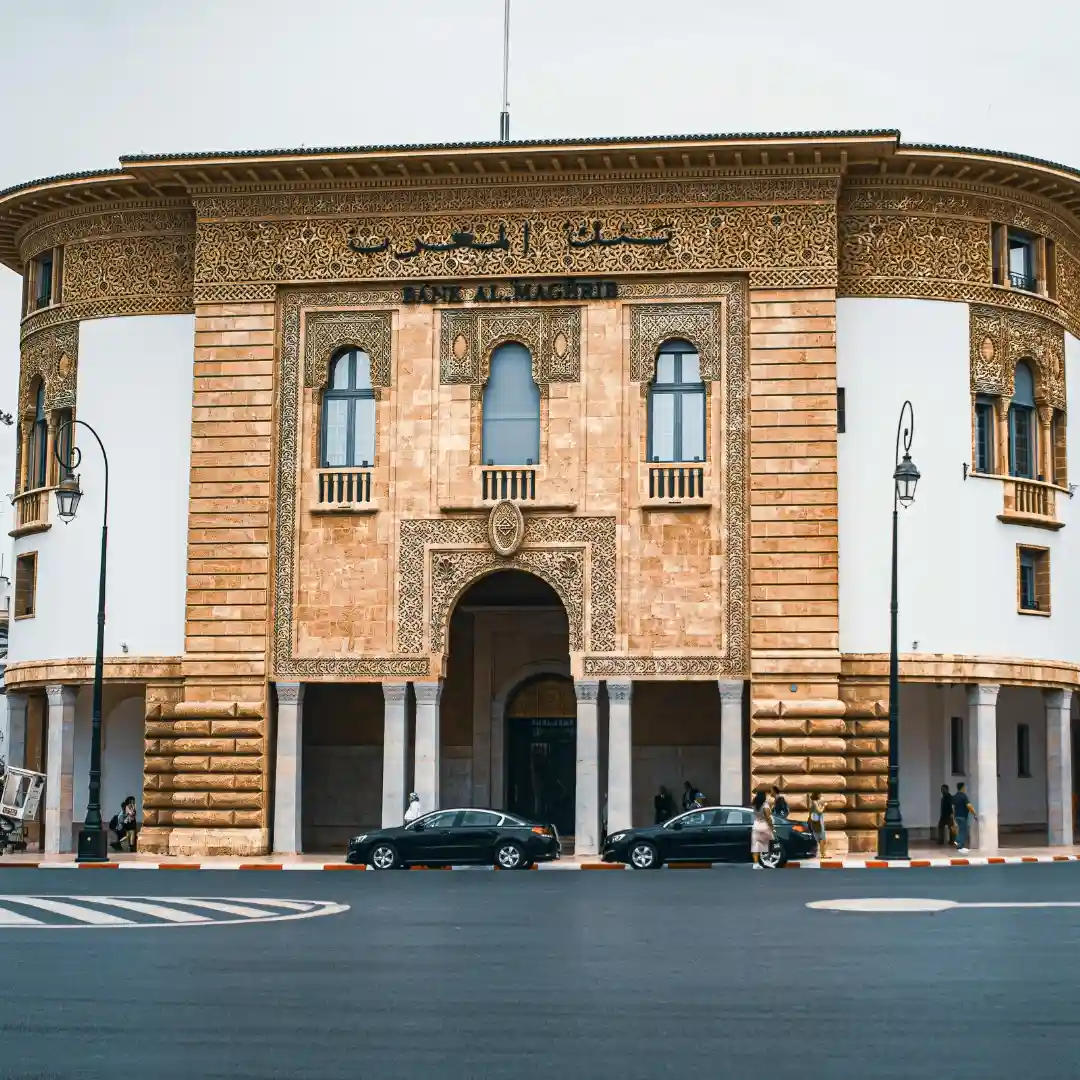
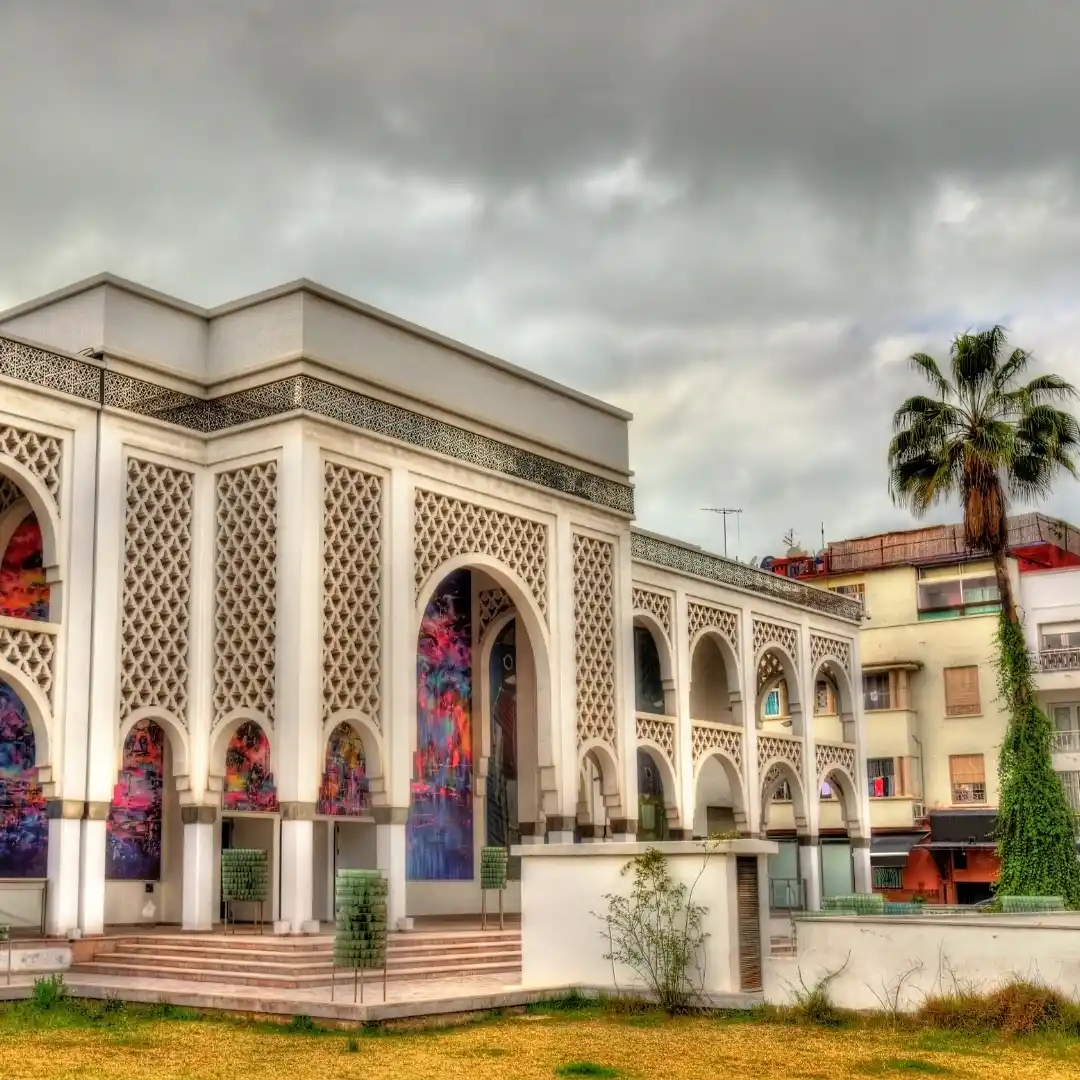
Morocco's museum of money and banking in central Rabat, tracing coins and banknotes from antiquity to today, with a fine collection of modern Moroccan art
10 free places
No ticket, no booking — 10 places our guides send travellers to, with opening hours, the best time to go and insider tips.
Kasbah des Oudayas, the Andalusian Gardens, Bouregreg riverside and the Hassan Tower esplanade — all free to enter
1 day
You can cover the main historic highlights, including the Kasbah of the Oudayas, Hassan Tower, Mausoleum of Mohammed V and parts of the Medina. It works well as a short stop between Casablanca and northern Morocco.
2 days
A better introduction to Rabat. You have time for the historic centre, the Chellah, museums, gardens and the Bou Regreg waterfront without rushing between landmarks.
3 days
A strong choice if you want to experience the capital rather than tick off its monuments. Add more time for museums, cafés, the coastline, Salé or slower exploration of the city's neighbourhoods.
4 days or more
Useful if Rabat forms part of a wider Atlantic itinerary. You can combine the capital with Salé, Bouknadel, coastal areas or nearby destinations without turning every day into a transfer.
For a first visit, two nights gives you enough time to experience Rabat properly while keeping the itinerary moving.
Rabat's Atlantic location gives the city a relatively moderate coastal climate. Morocco's National Tourist Office notes that Atlantic and Mediterranean coastal areas generally benefit from moderate temperatures throughout the year.
For a sightseeing-focused visit, spring and autumn offer an especially comfortable balance for walking, outdoor attractions and day trips.
Mar – May
Spring is particularly comfortable for walking around the Medina, Kasbah and historic monuments. The gardens and green spaces also benefit from the season.
Jun – Aug
Summer brings warmer temperatures, but Atlantic breezes help moderate the heat compared with Morocco's inland cities. This also makes the coastline and beaches attractive during the warmer months.
Sep – Nov
Autumn offers comfortable conditions for sightseeing and outdoor exploration, with temperatures becoming milder as the season progresses.
Dec – Feb
Winter is cooler and wetter, but Rabat remains suitable for a city break. The coastal climate keeps temperatures more moderate than many inland Moroccan destinations.
Rabat is well connected to the rest of Morocco by air, high-speed train, conventional rail and road.
For international travellers, Rabat-Salé Airport is the city's principal airport. The airport carries the IATA code RBA and sits in Salé, just outside Rabat.
Rabat also has one of Morocco's strongest rail connections. The Al Boraq high-speed service connects Rabat with Tangier and Casablanca, while conventional ONCF trains connect the capital with cities including Fez, Meknes, Marrakech and other destinations across the national network.
Road travel is also straightforward. Casablanca is around 87 km from Rabat, while Fez and Tangier are further along the national road and rail network.
For travellers building a Morocco itinerary, Rabat fits naturally between Casablanca and northern Morocco, or between the Atlantic coast and Fez.
Rabat-Salé Airport, IATA code RBA, serves the capital region. The airport is located in Salé rather than within Rabat itself.
Taxis operate directly outside the airport. The airport's current published fare information lists Rabat downtown at 150 MAD during the day and 200 MAD at night. Salé fares are listed at 100 MAD during the day and 150 MAD at night. Buses also operate according to flight schedules.
There is no railway station inside Rabat-Salé Airport. The nearest train station is approximately 8 km away in Salé.
For families, groups or travellers arriving with several bags, a private transfer gives you the simplest door-to-door option.
If your international flight does not connect conveniently with Rabat, Mohammed V International Airport in Casablanca is another practical gateway. Casablanca's airport sits around 30 km from Casablanca, with onward rail connections towards Rabat.
Train connections
Rabat is one of the best-connected cities on Morocco's railway network.
The high-speed Al Boraq service connects Rabat with Tangier and Casablanca. Current Moroccan National Tourist Office information gives approximate journey times of 1 hour 20 minutes between Tangier and Rabat and 2 hours 10 minutes between Tangier and Casablanca.
Rabat also has conventional ONCF services connecting the capital with cities further south and east. The main stations include Rabat Agdal and Rabat Ville. Current ONCF information confirms both stations serve Al Boraq, Al Atlas and TNR services.
This makes Rabat particularly easy to combine with Casablanca, Tangier and Fez.
For longer journeys, check the current ONCF timetable before travelling. Departure times and service patterns change.
Rabat is one of Morocco's easier cities to explore without a car.
The historic centre, Medina and Kasbah of the Oudayas are well suited to walking. The city also has a tram network connecting Rabat and neighbouring Salé. The Moroccan National Tourist Office lists trams, taxis and buses among the main urban transport options in Rabat.
Petit taxis are blue in Rabat. They work well for shorter journeys around the city, while larger taxis and private transport are more useful for longer trips.
Walking is especially rewarding around the historic centre. You can move from the Medina towards the Kasbah, the Hassan Tower and the Bou Regreg waterfront without constantly arranging transport.
For places outside central Rabat, including the Exotic Gardens of Bouknadel or destinations further along the Atlantic coast, private transport offers more flexibility.
Yes. Rabat combines Morocco's political and royal heritage with a historic Medina, UNESCO-listed architecture, Atlantic coastline, museums, gardens and modern urban planning. The city's World Heritage designation reflects the unusual combination of its historic and modern layers.
Two days works well for a first visit. Three days gives you more time for museums, gardens, the coastline, Salé and slower exploration.
Spring and autumn offer comfortable conditions for walking and sightseeing. Summer is warmer but benefits from the Atlantic influence, while winter is cooler and wetter. Rabat's coastal position gives the city moderate conditions throughout much of the year.
Yes. The historic centre, Medina and Kasbah of the Oudayas are well suited to walking. Taxis and trams make longer journeys around Rabat and Salé easier.
Rabat-Salé Airport is located outside central Rabat, in Salé. The airport has direct taxi services to Rabat, with the current official airport tariff listing Rabat downtown at 150 MAD during the day and 200 MAD at night.
No. Rabat-Salé Airport does not have a railway station inside the airport. The closest train station is approximately 8 km away in Salé.
Yes. Al Boraq connects Rabat with Tangier. The current Moroccan National Tourist Office information gives an approximate journey time of 1 hour 20 minutes.
Yes. ONCF operates conventional rail services connecting Rabat with Marrakech. Rabat also has connections towards Fez, Meknes, Casablanca and other Moroccan cities through the national rail network.
Yes. Casablanca is around 87 km from Rabat, and the two cities have frequent rail connections. The journey also works well by private vehicle or taxi.
Rabat is known as Morocco's capital and for landmarks including the Kasbah of the Oudayas, Hassan Tower, Mausoleum of Mohammed V and Chellah. Its historic and modern urban areas together form a UNESCO World Heritage property.
Yes. UNESCO inscribed Rabat, Modern Capital and Historic City: A Shared Heritage on the World Heritage List in 2012. The property includes historic areas such as the Medina, Kasbah of the Oudayas, Almohad walls, Chellah and Hassan Mosque, alongside parts of the modern city developed during the French Protectorate.
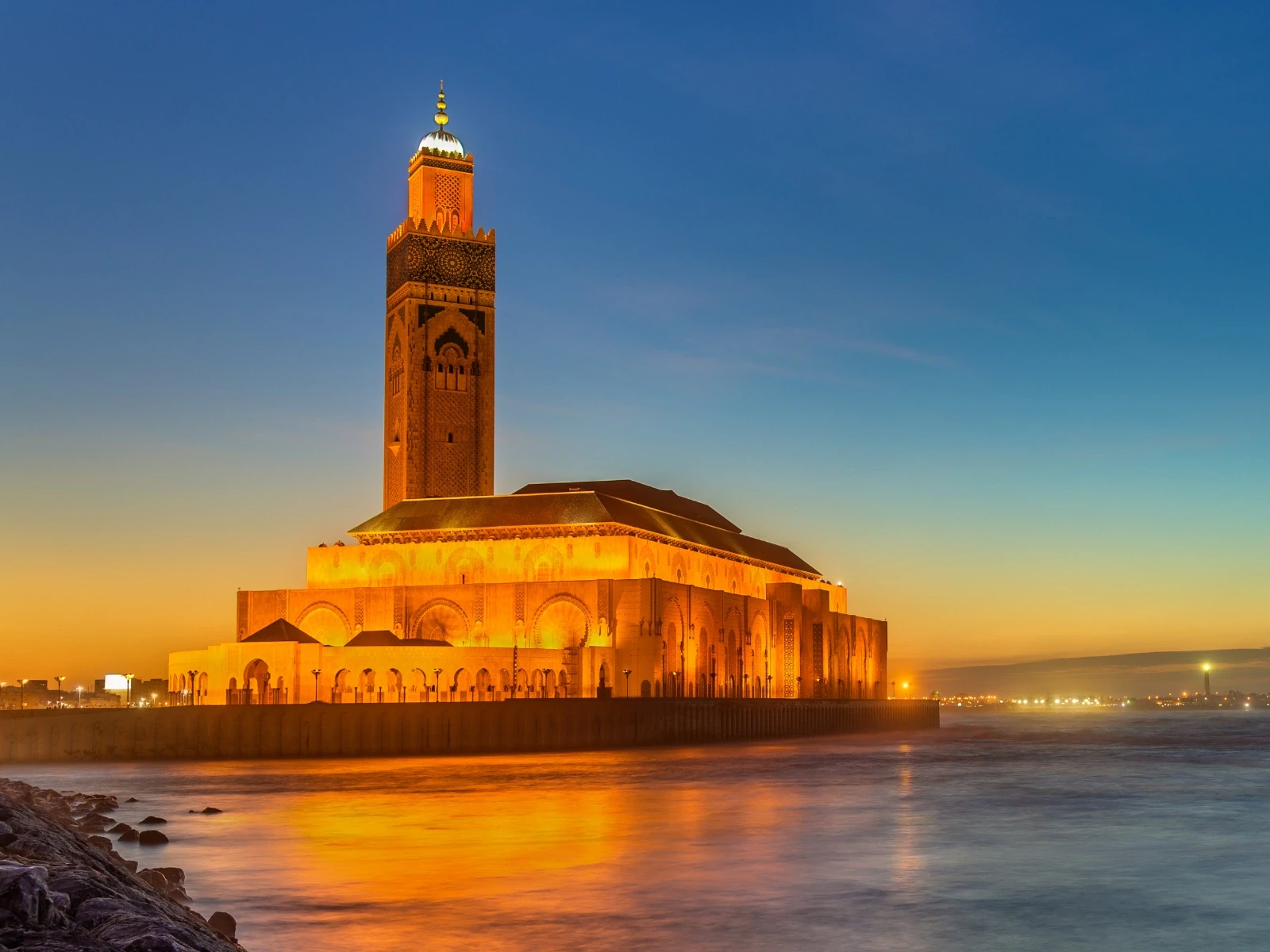
Where Morocco Meets the Atlantic
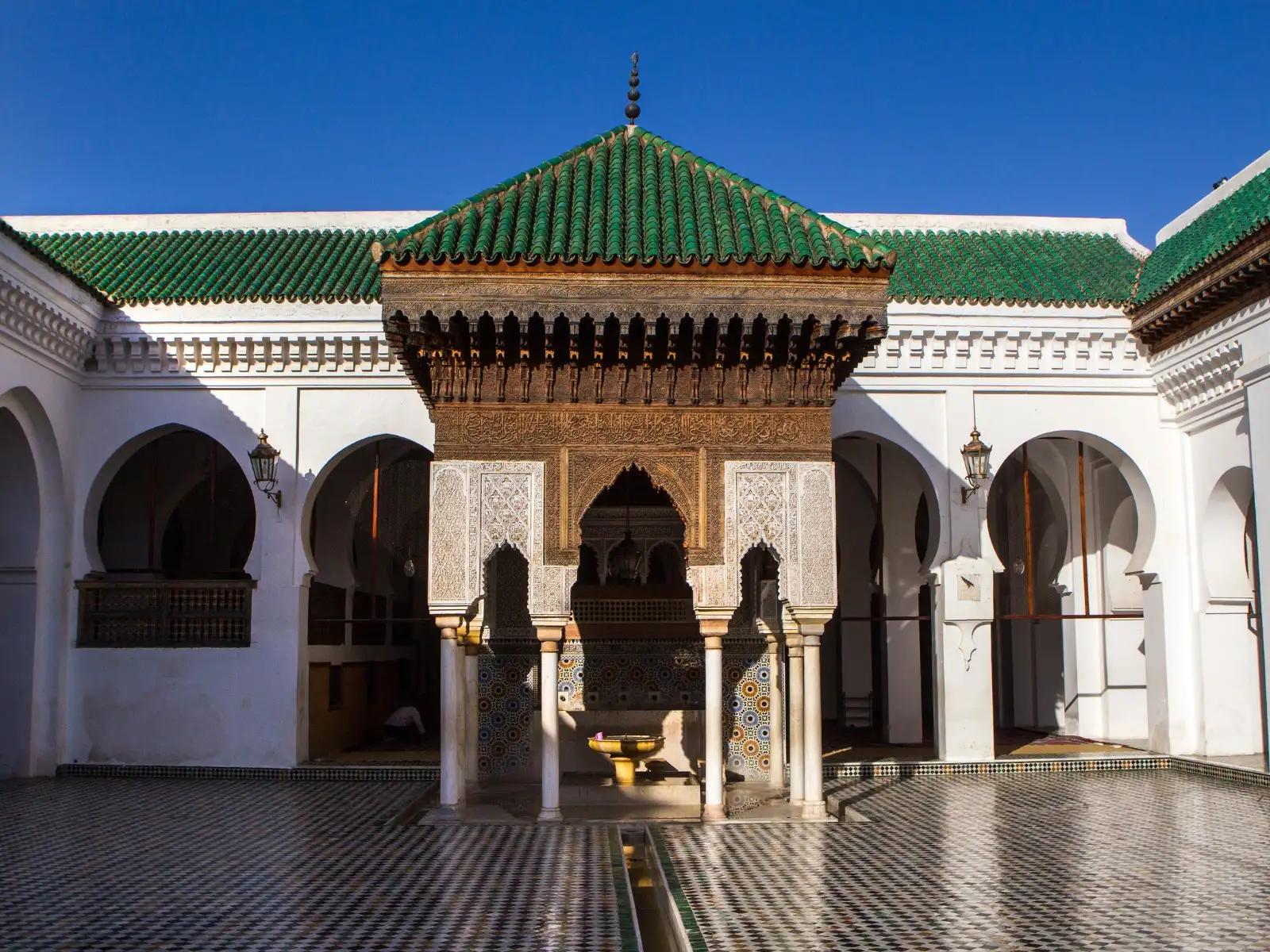
Where Morocco Keeps Its Memory
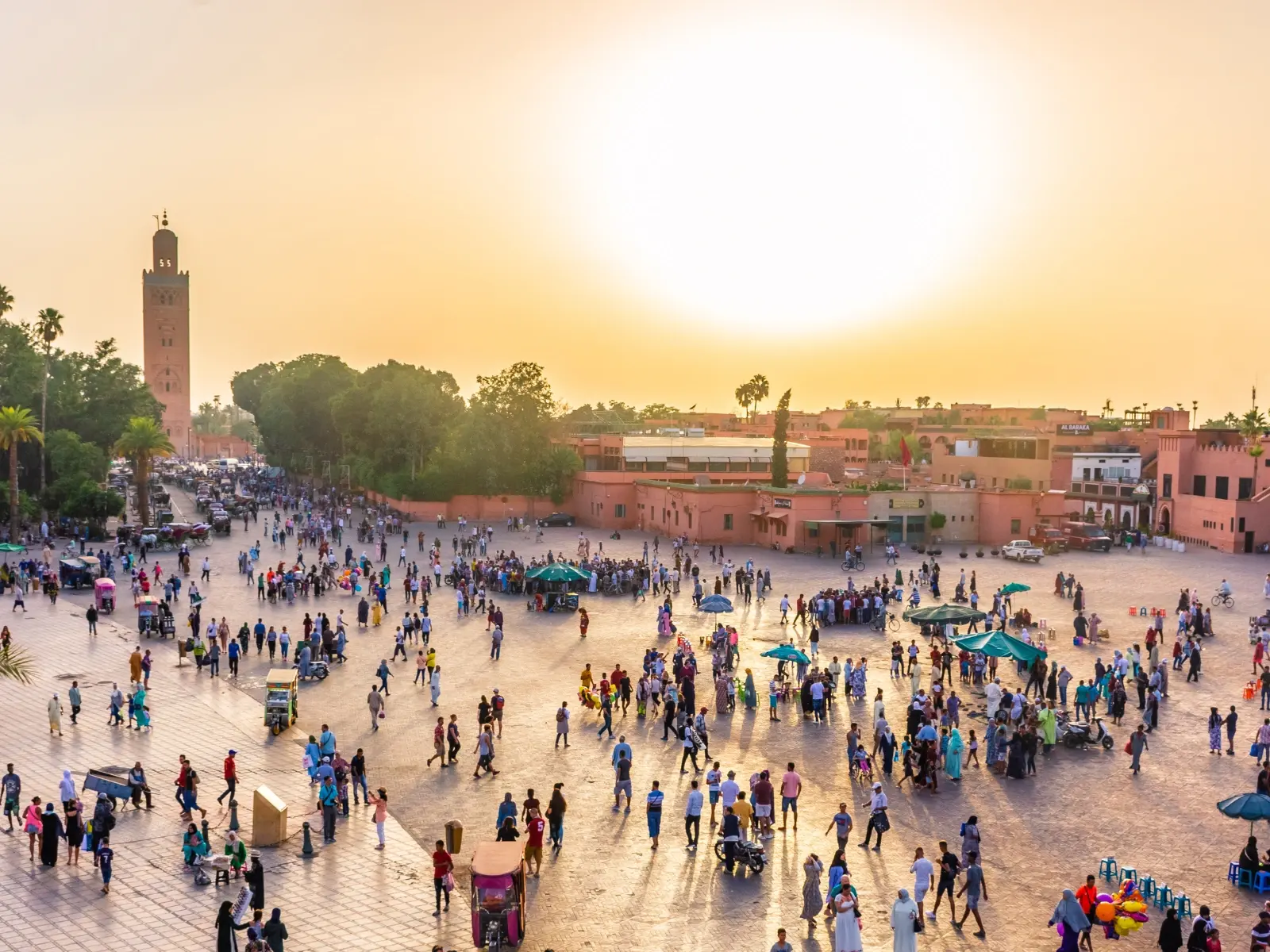
Where the Red City Comes Alive
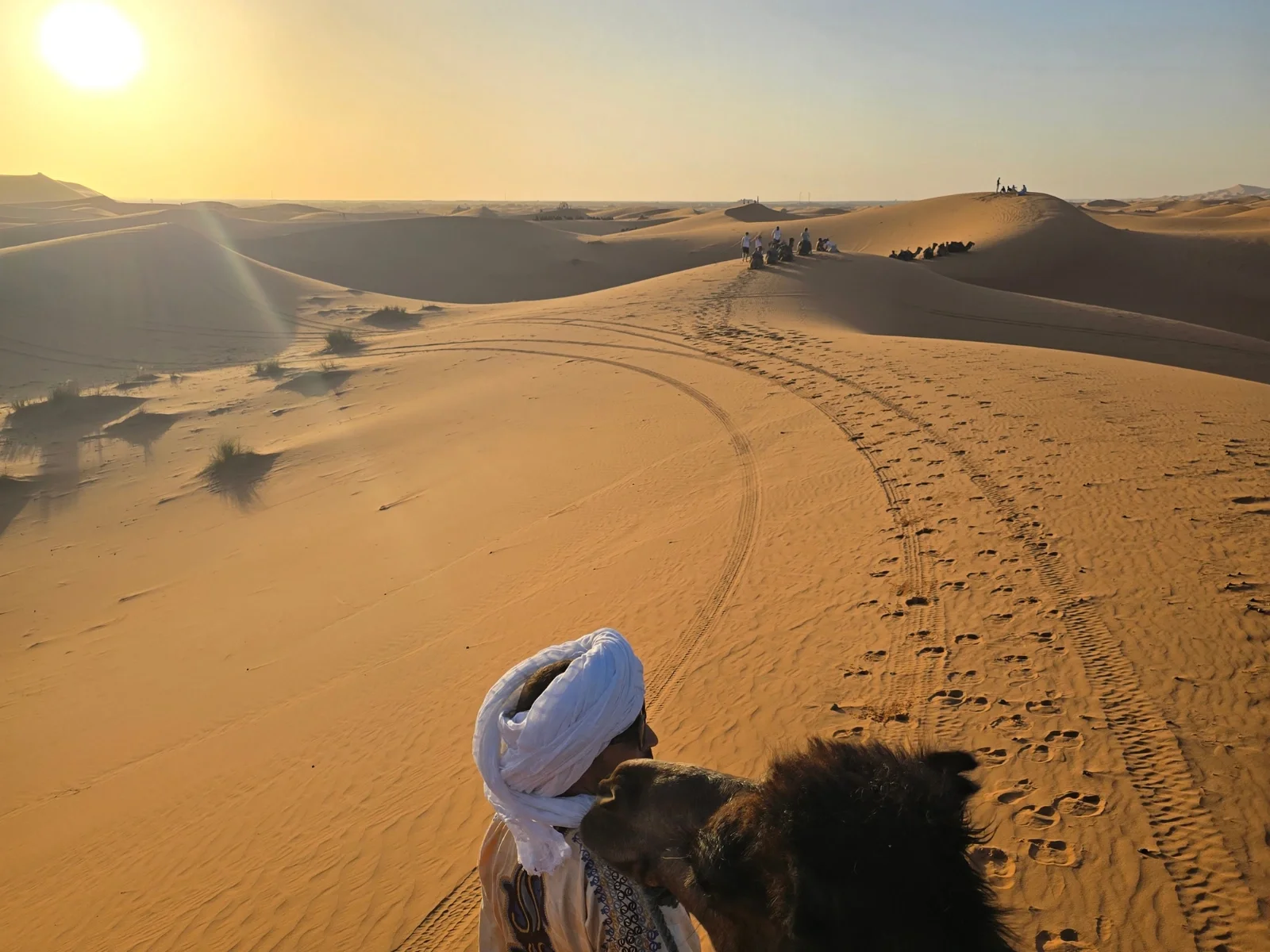
Where the Sahara Begins
Where Two Seas Meet
Tell us your dates and travel style — we reply with a tailored itinerary within 48 hours.