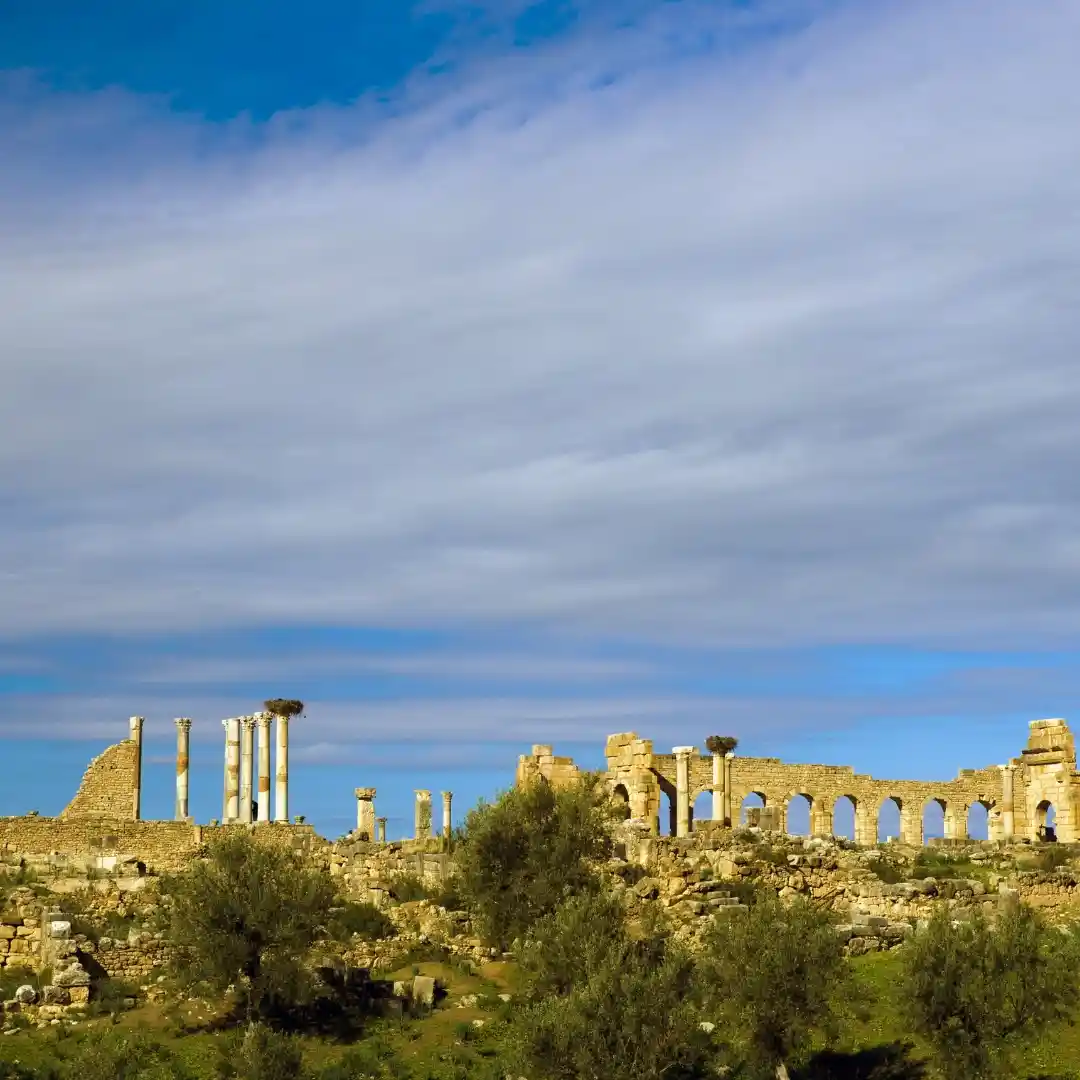
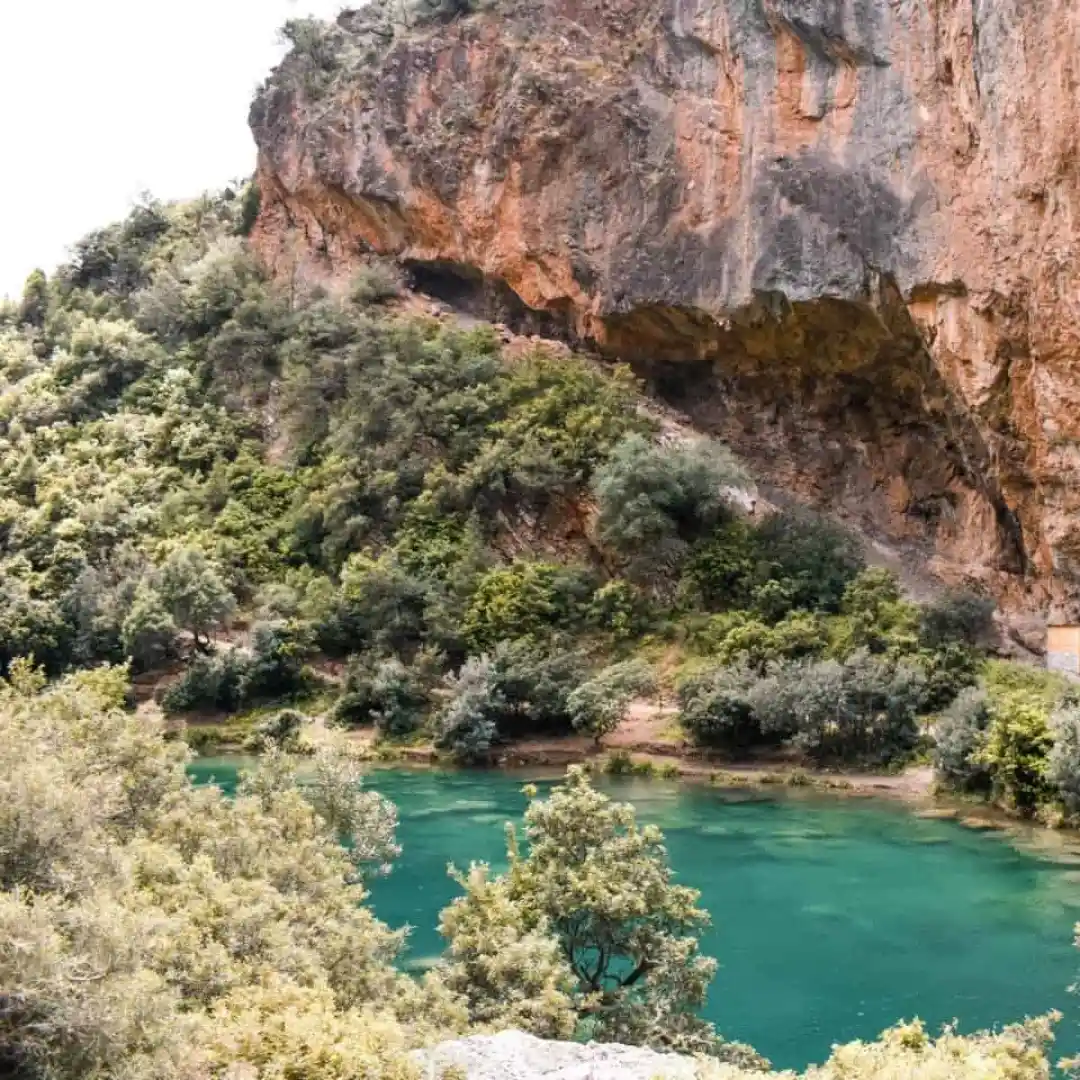
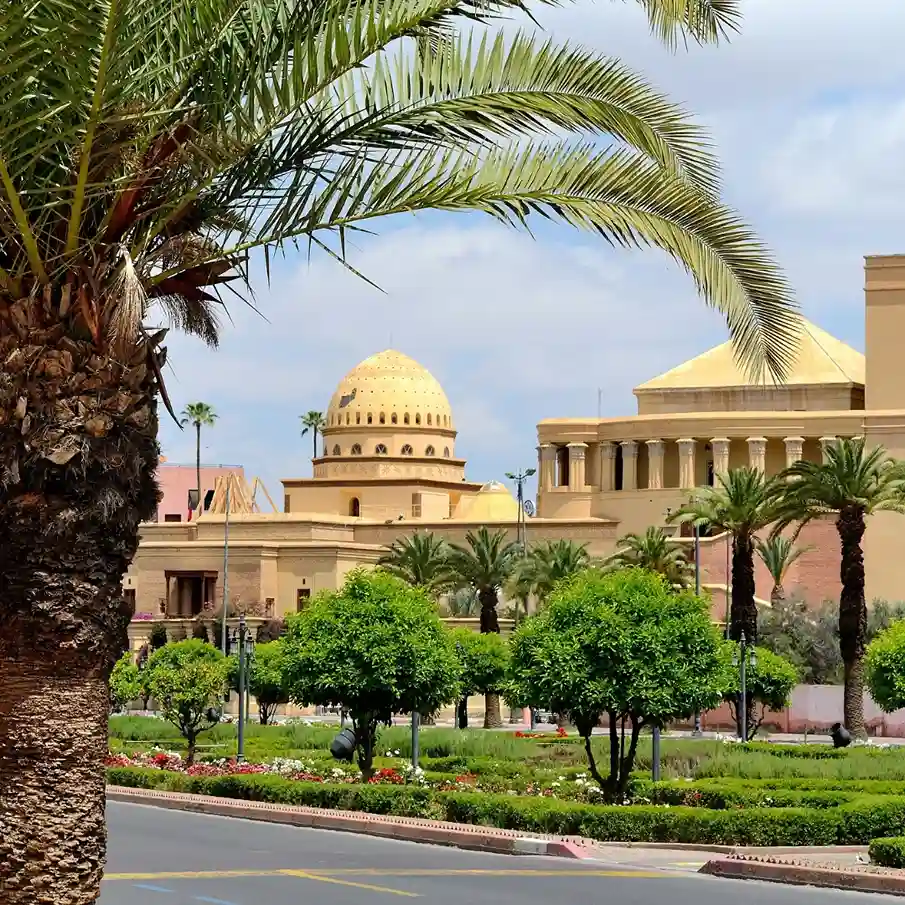
Spring
BestMar – May
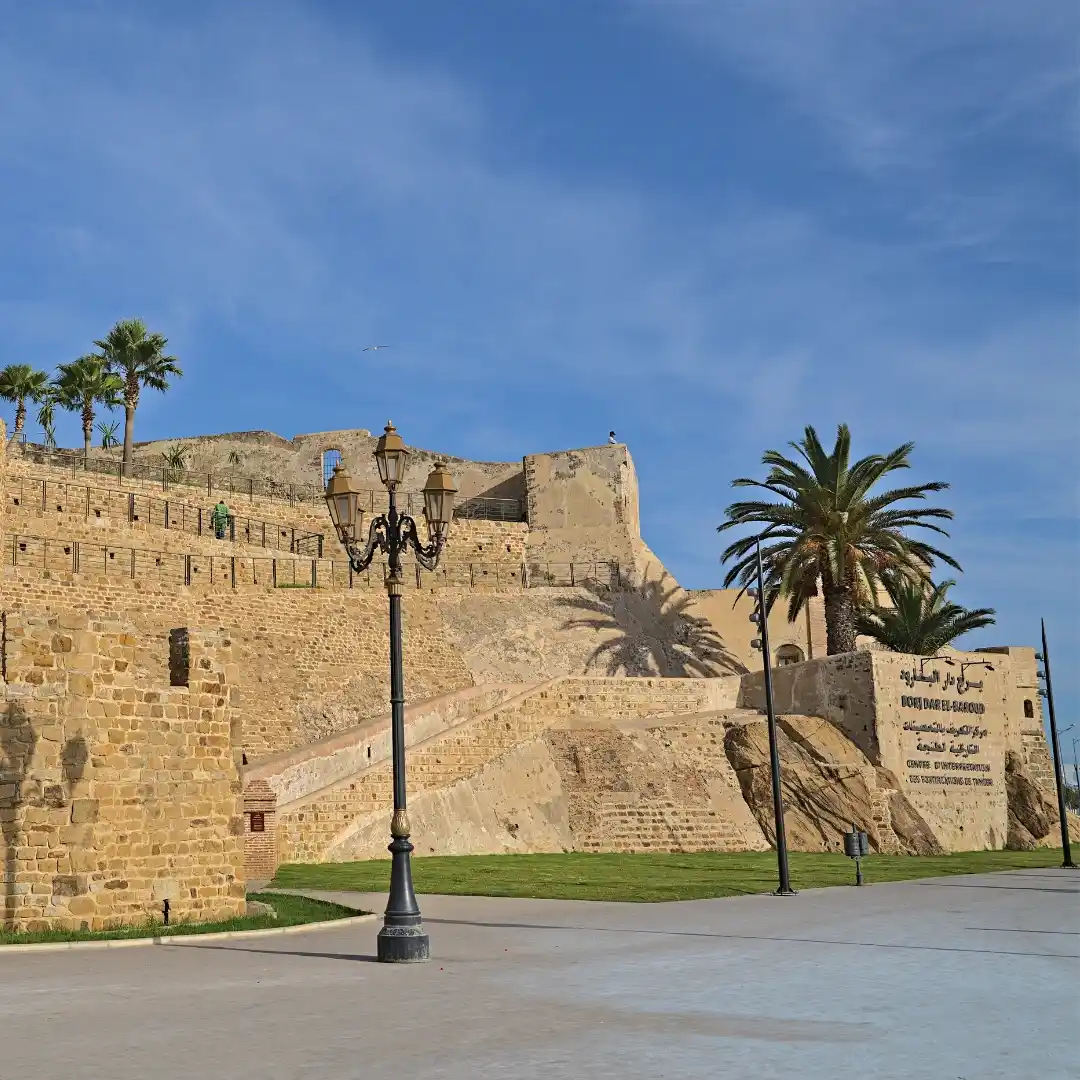
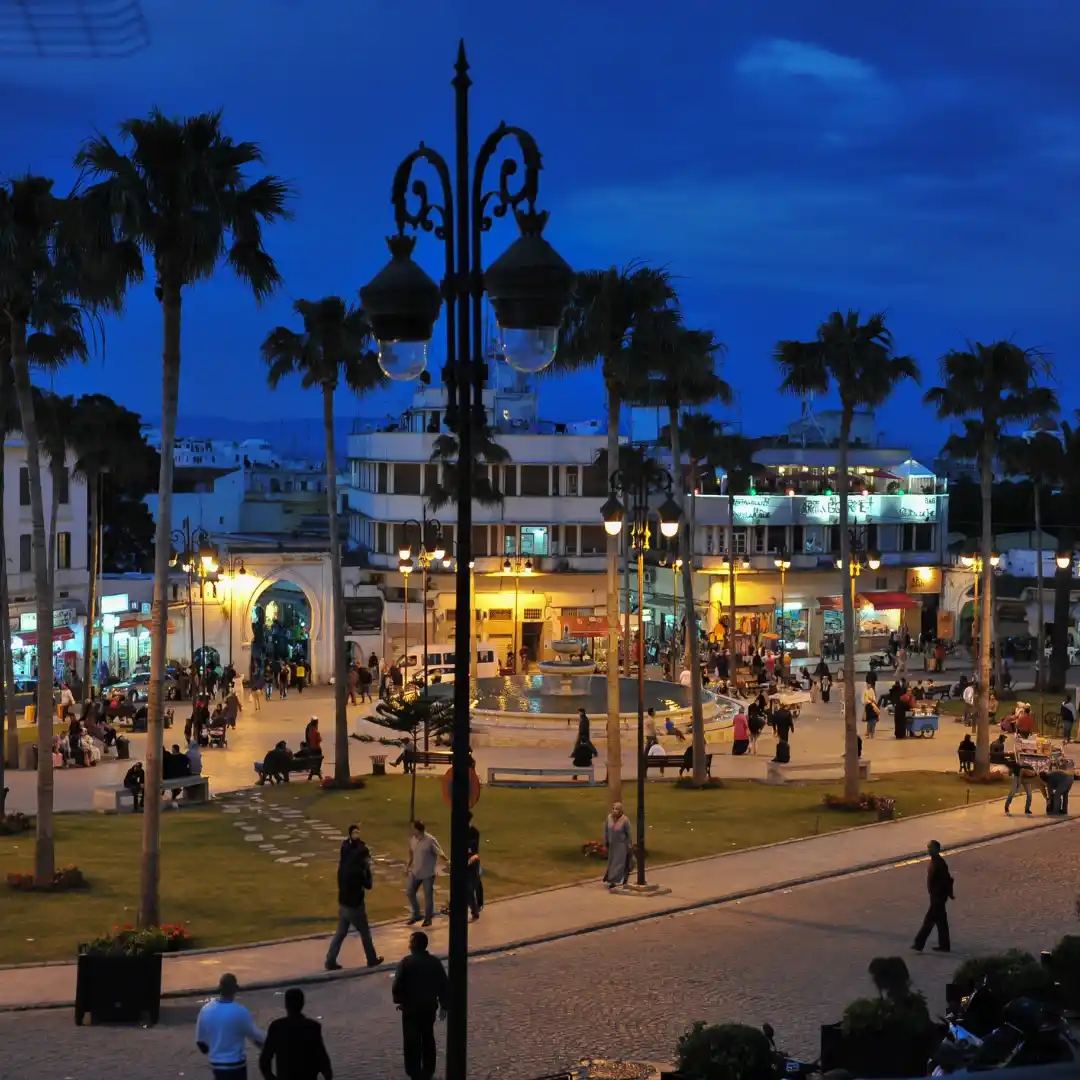
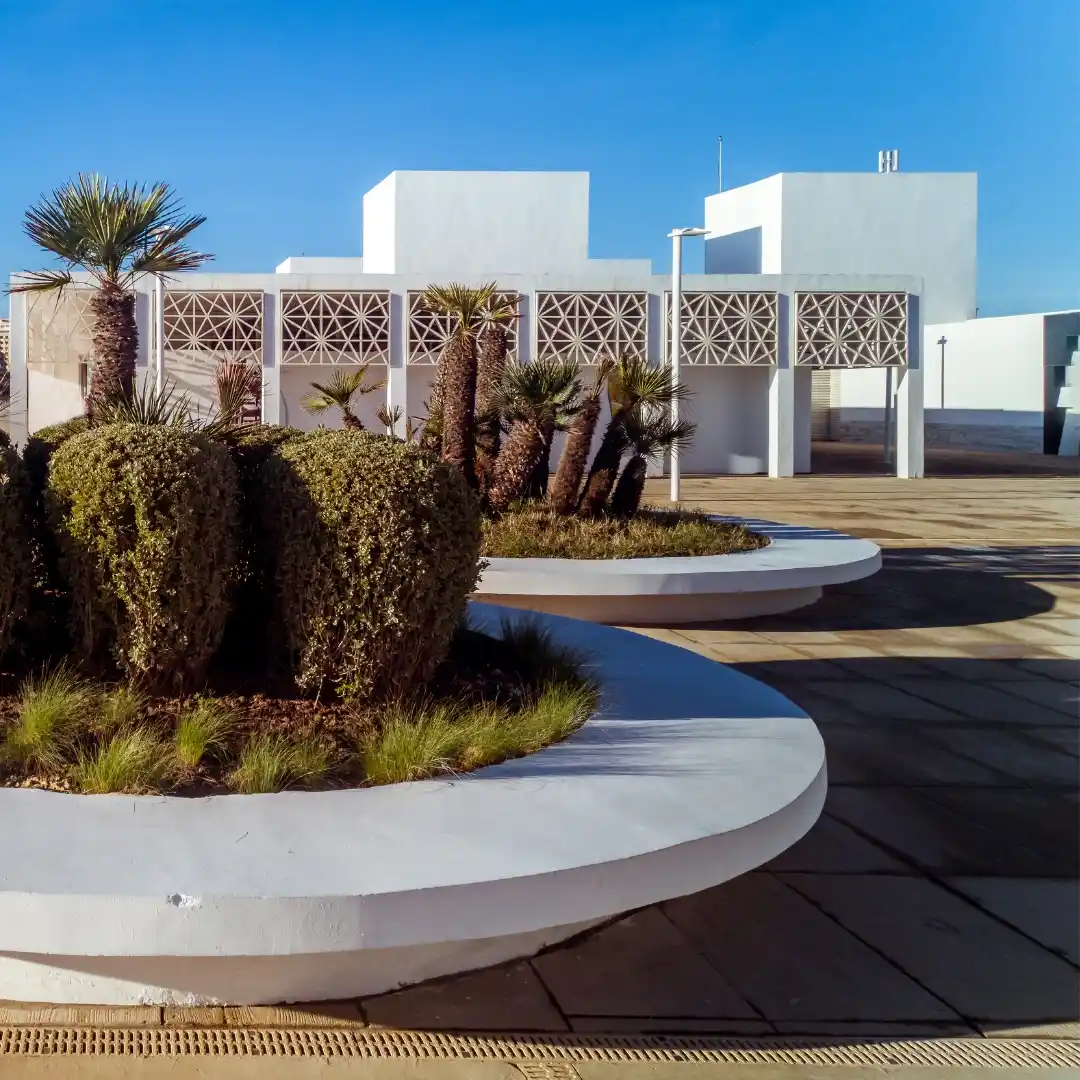
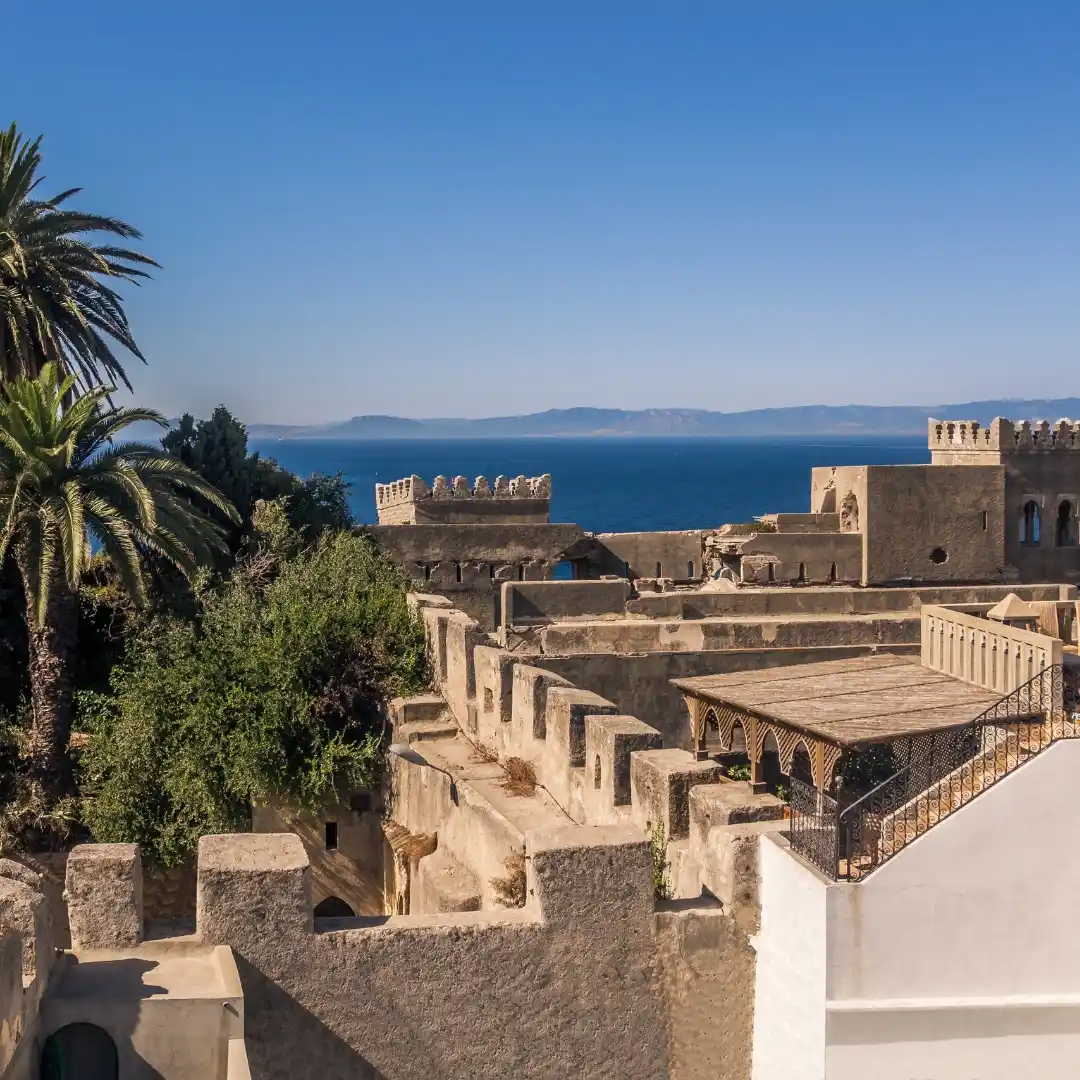
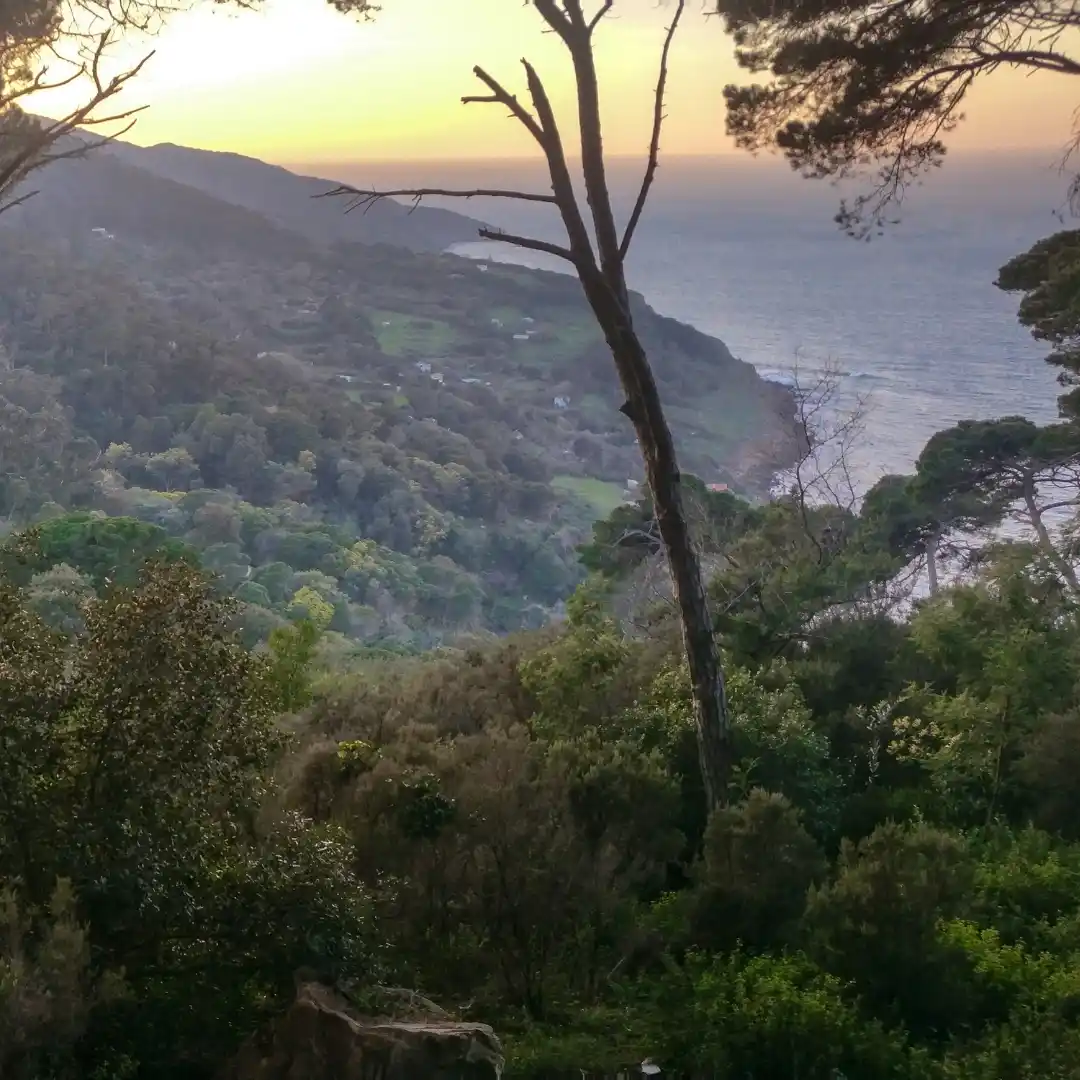
Spring is particularly pleasant for exploring Tangier on foot and for trips along the coast. Temperatures are generally comfortable, while the surrounding landscapes are greener than later in the year.
Private journeys across Morocco
Visit Morocco Tours

A real person replies within 48 hours · Email us
Destination
A northern Moroccan city shaped by the Atlantic, the Mediterranean and centuries of movement between Africa and Europe. Tangier feels open, layered and slightly impossible to pin down.
Request Your Personal QuoteTangier travel guide · Updated 2 October 2026
Tangier has always looked outward. Set at the meeting point of the Atlantic Ocean and Mediterranean Sea, at the entrance to the Strait of Gibraltar, the city has spent centuries facing Europe while remaining firmly rooted in Morocco. Its position helped turn Tangier into a crossroads of people, languages, trade and ideas, giving the city a character unlike anywhere else in the country. The Moroccan National Tourist Office describes Tangier as a cosmopolitan city where Mediterranean and Atlantic influences converge.
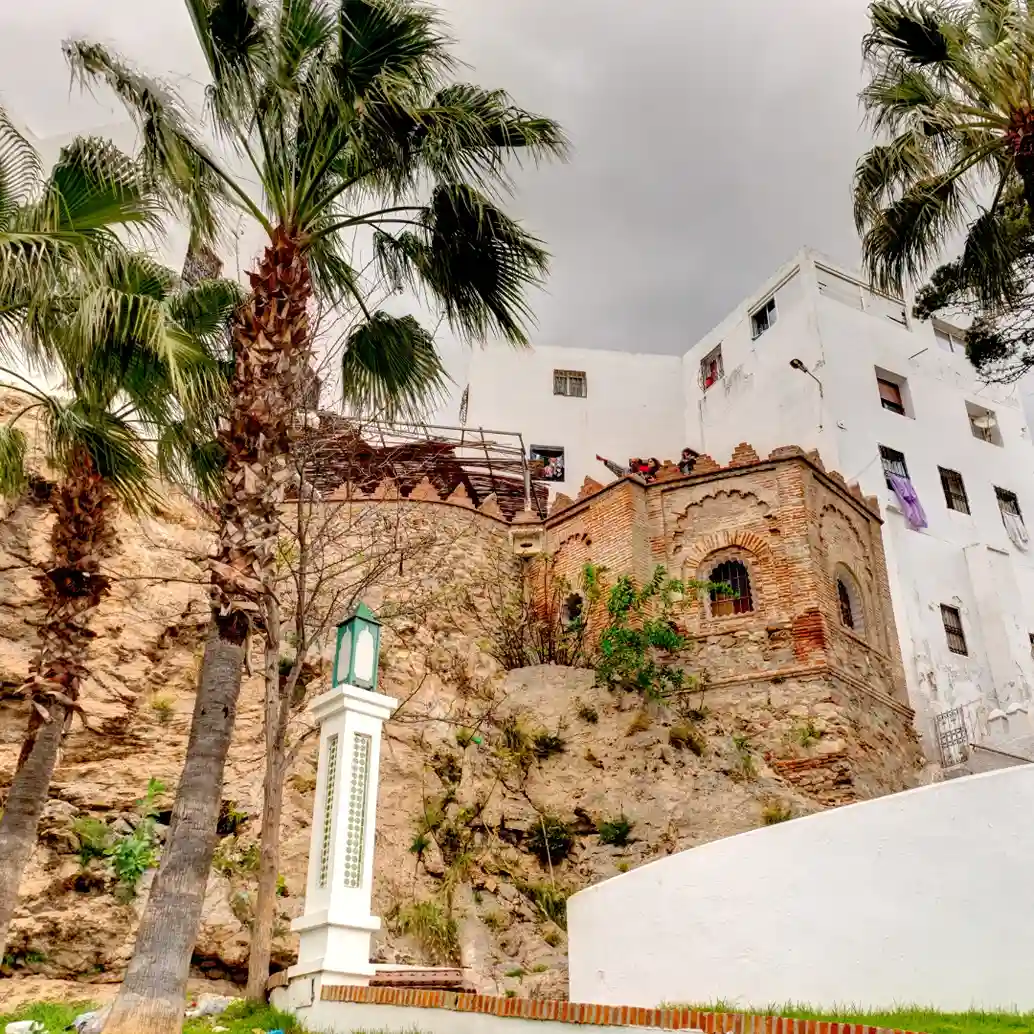
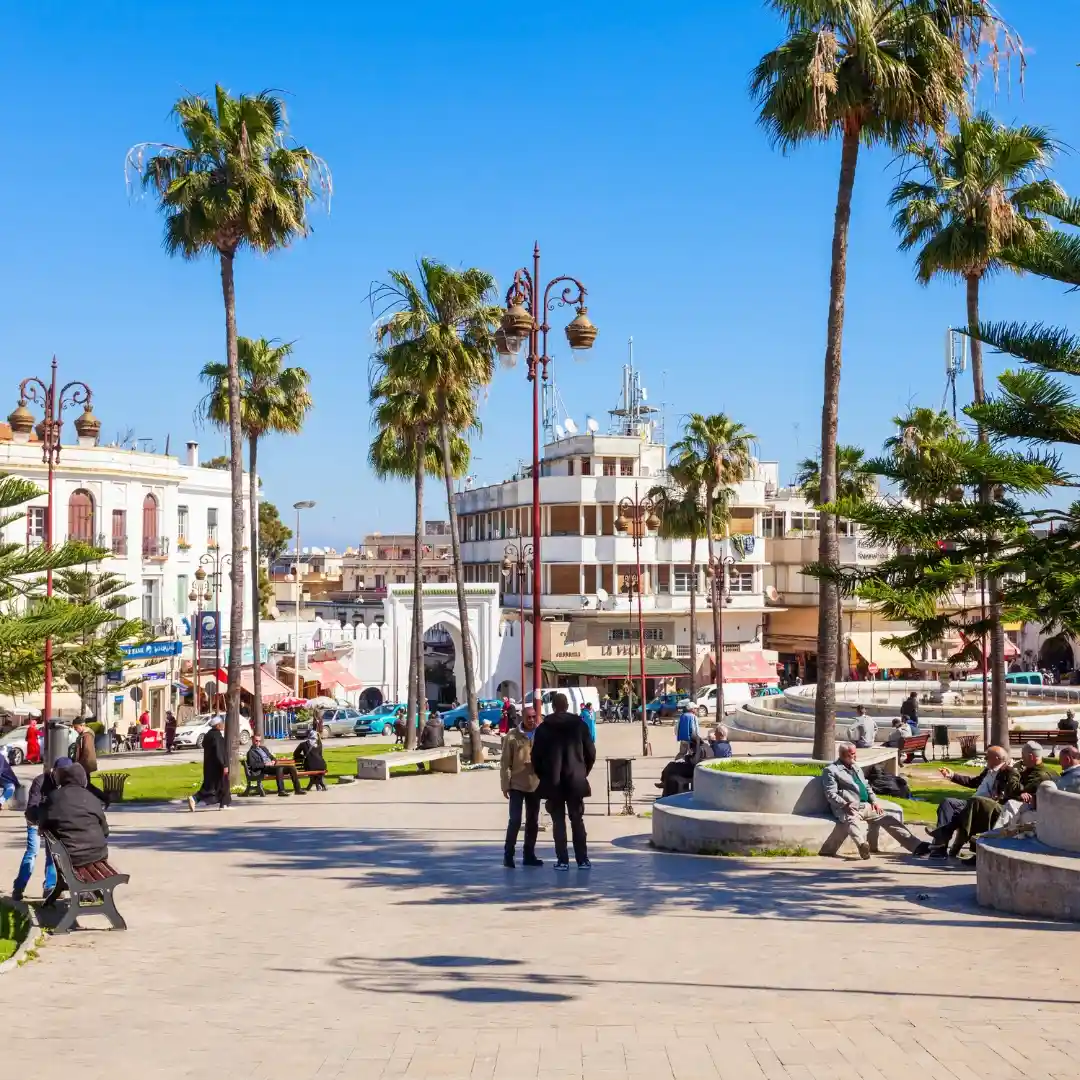
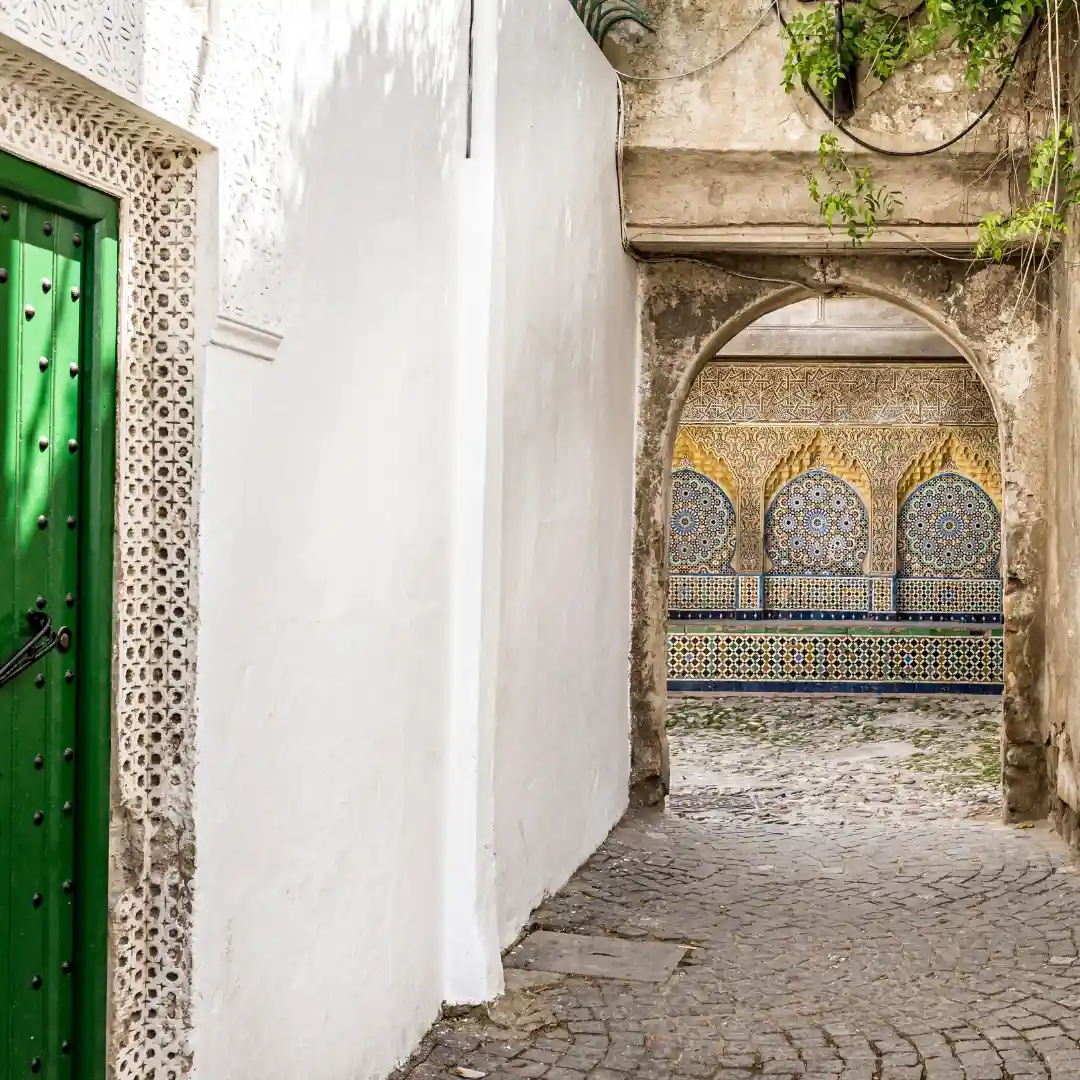
The historic Medina climbs towards the Kasbah, with narrow streets, whitewashed buildings, small squares and cafés opening onto views of the Strait. The Grand Socco and Petit Socco still form part of the city's historic rhythm, while the Kasbah carries traces of Tangier's long political and cultural history.
Beyond the old city, Tangier feels distinctly contemporary. New neighbourhoods, beaches, restaurants and the modern port sit alongside Hispano-Moorish architecture and older quarters. The city also carries a strong artistic legacy. Writers and artists including Paul Bowles, Tennessee Williams, Henri Matisse and Eugène Delacroix were drawn to Tangier and its unusual position between continents.
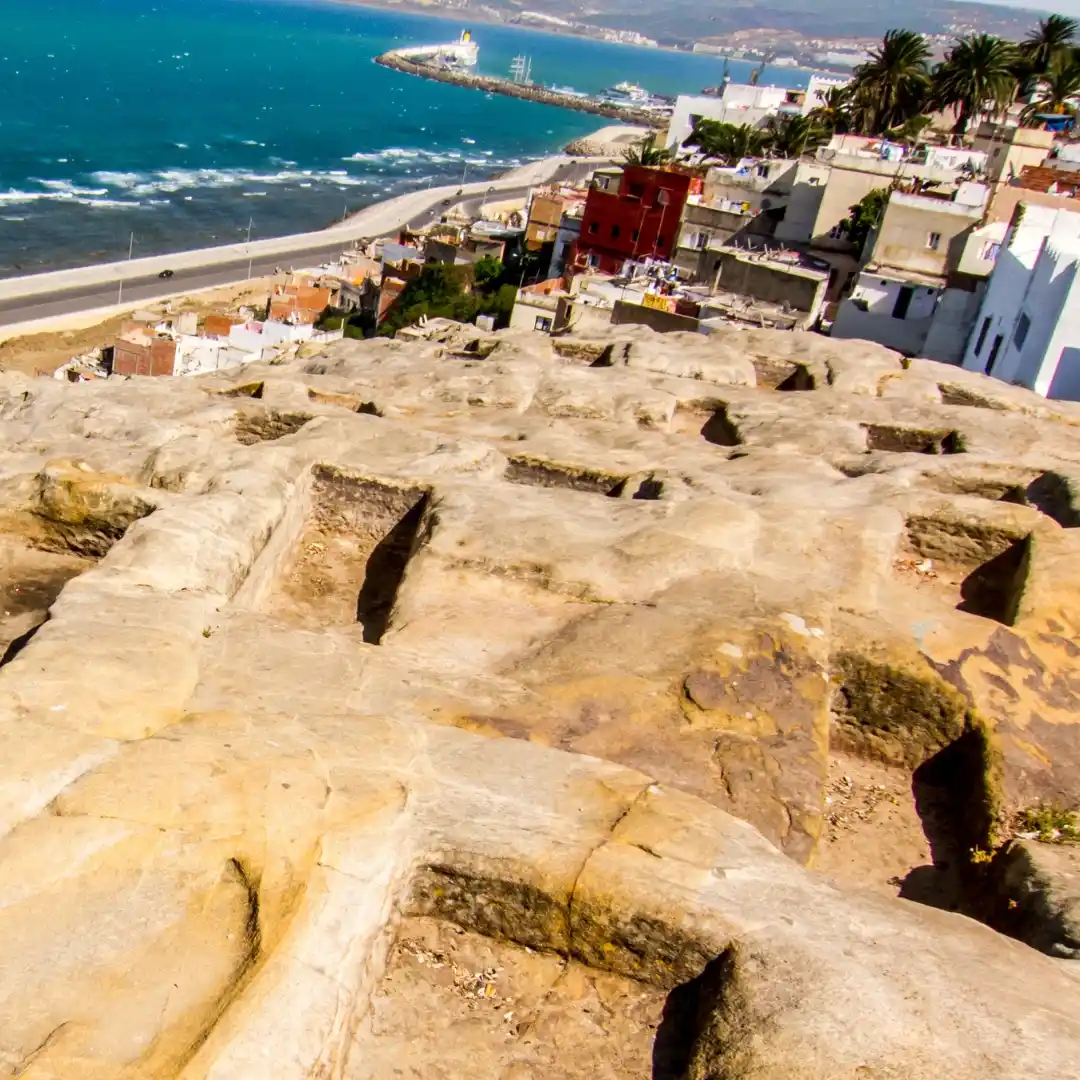
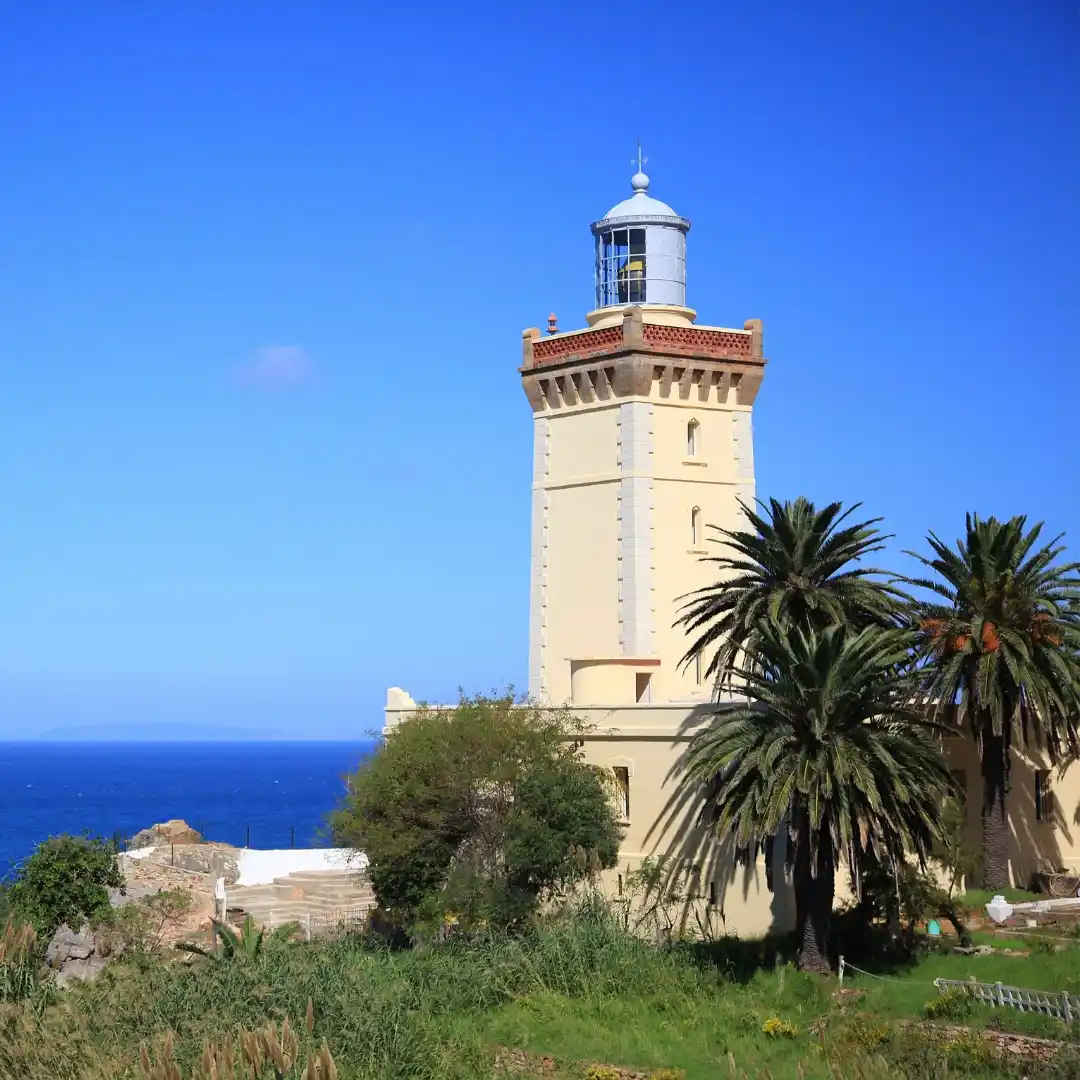
Then there is the landscape. Cape Spartel marks the Atlantic side of the city, while the Caves of Hercules sit nearby along the coast. The Rif mountains rise further east, adding another dimension to the northern Moroccan landscape.
Tangier is not a city you need to explain too much.
Walk through the Medina. Stop for tea. Look towards Spain across the Strait. Then keep walking.
Every journey below departs from Tangier with a licensed local guide and a private vehicle. Prefer something of your own design? We build itineraries from scratch.
5 journeys
4 days / 3 nights private journey from Tangier: Arrival in Tangier, Tangier to Chefchaouen
9 free places
No ticket, no booking — 9 places our guides send travellers to, with opening hours, the best time to go and insider tips.
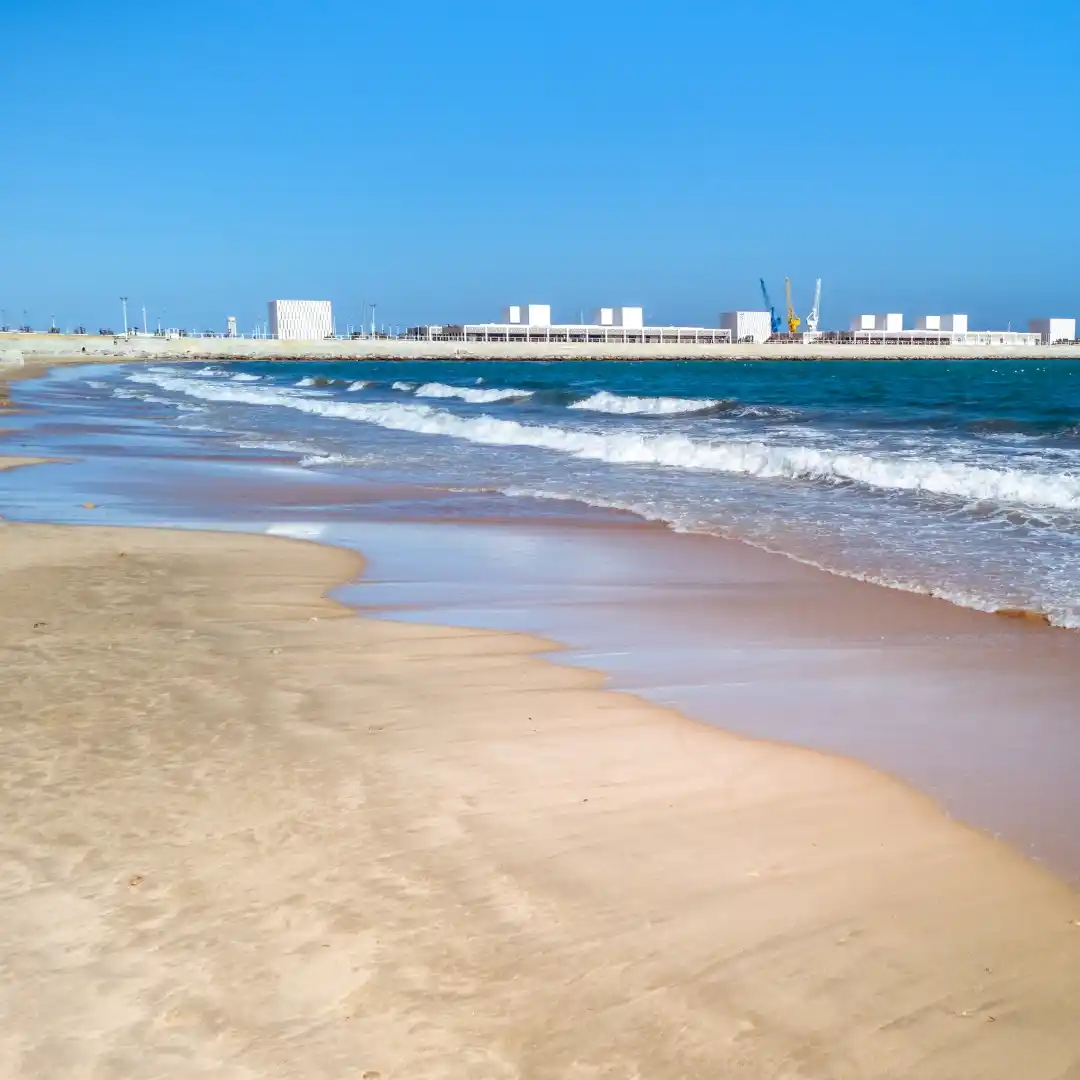
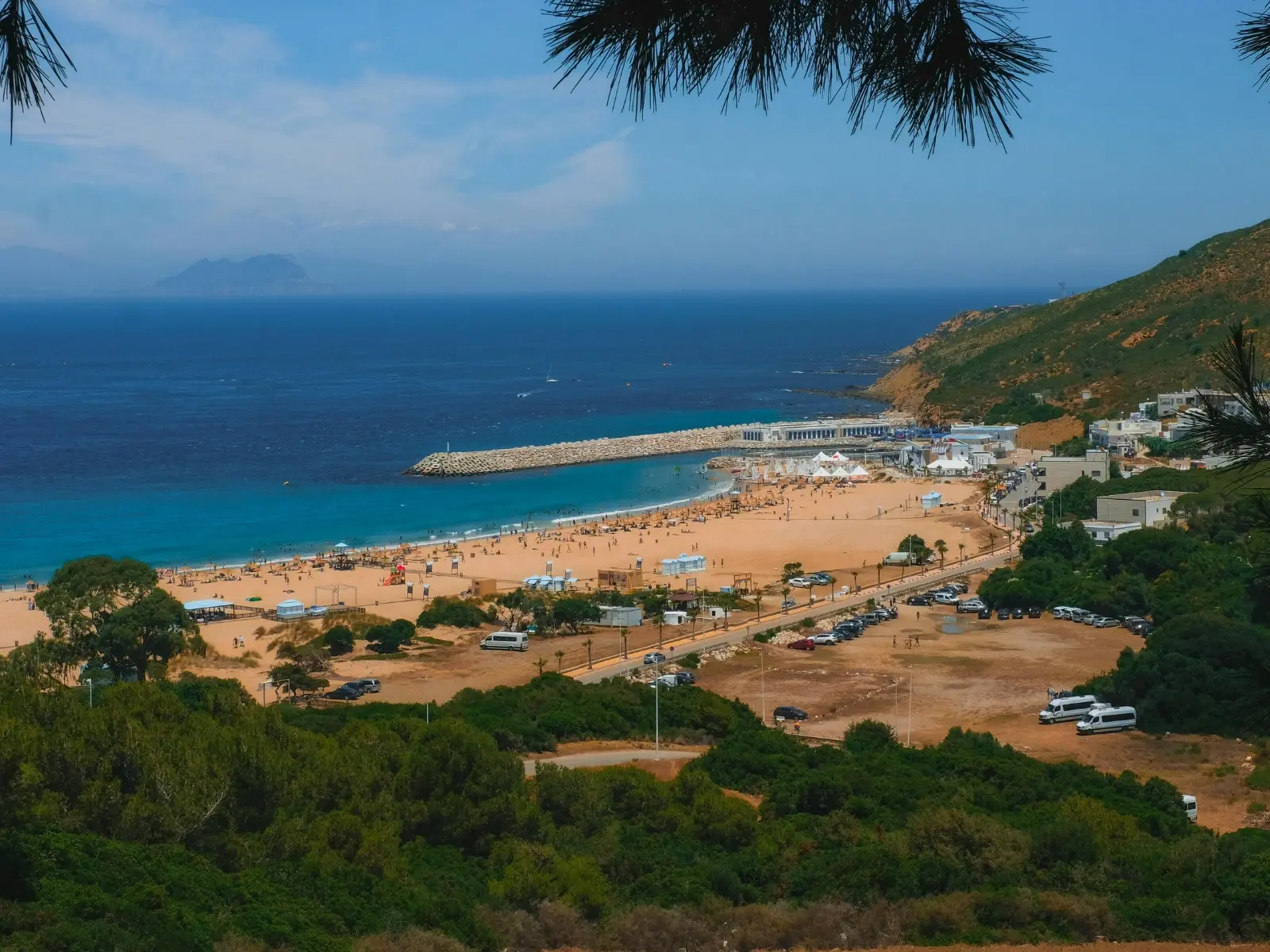
Tangier’s Municipal Beach is a long, free stretch of sand curving along the bay below the city, a relaxed place to walk the shore, watch local life and enjoy the sea air
1 day
Enough for a first look at the Medina, Kasbah, Grand Socco and some of the city's main viewpoints. It works well as a stopover, but Tangier deserves more time.
2 days
A good introduction. You have time to explore the historic centre, visit the Kasbah, enjoy the coastline and experience the city after the main sightseeing hours.
3 days
A stronger choice if you want to understand Tangier rather than simply photograph it. Add Cape Spartel, the Caves of Hercules, beaches, museums, cafés or some of the city's newer districts.
4 days or more
Useful if Tangier forms part of a northern Morocco itinerary. You can use the city as a base for Tetouan, Asilah, Chefchaouen or other destinations in the Rif region.
For a first visit, two nights gives you enough space to experience both sides of Tangier: the historic city and the modern Mediterranean-facing one.
Tangier benefits from its northern coastal position, with both Mediterranean and Atlantic influences. Morocco's coastal regions generally enjoy sunshine throughout the year, although northern Morocco has more seasonal variation than the country's southern Atlantic coast.
Tangier also becomes busier during the summer holiday period, particularly with visitors arriving from Europe.
For a city-focused visit, spring and autumn offer a comfortable balance for walking, sightseeing and day trips.
Mar – May
Spring is particularly pleasant for exploring Tangier on foot and for trips along the coast. Temperatures are generally comfortable, while the surrounding landscapes are greener than later in the year.
Jun – Aug
Summer brings warmer weather and makes the city's beaches and coastal areas especially appealing.
Sep – Nov
Autumn offers comfortable sightseeing conditions and works well for combining Tangier with the Rif mountains or nearby coastal towns.
Dec – Feb
Winter is cooler and wetter than the warmer seasons, but Tangier remains a practical city-break destination. Bring a light waterproof layer if you plan to spend substantial time outdoors.
Tangier is one of Morocco's easiest northern cities to reach, with international flights, high-speed trains, conventional rail services and ferry connections from Europe.
Tangier Ibn Battouta Airport is around 11 km from the city.
For travellers arriving from Europe, Tangier also has a major advantage that many Moroccan destinations do not: you can arrive by sea. Tangier's port connections link Morocco with European ferry routes, making the city a natural starting point for a Morocco road trip. The Moroccan National Tourist Office identifies Tangier City as one of Morocco's principal ferry ports.
By train, Tangier sits at the northern end of Morocco's high-speed rail network. Al Boraq connects Tangier with Kenitra, Rabat and Casablanca, while conventional services extend the journey towards other Moroccan cities.
Tangier Ibn Battouta Airport, IATA code TNG, is located approximately 11 km from Tangier.
The airport handles domestic and international flights and has taxi and car-rental services.
A taxi is the straightforward option for reaching the city after arrival.
For families, groups or travellers arriving with substantial luggage, a private transfer offers a simpler door-to-door journey.
The airport is also useful for travellers planning a northern Morocco itinerary. Tangier works naturally with destinations such as Tetouan, Chefchaouen and Asilah, while the wider Rif region opens up further options for day trips and longer routes.
Train connections
Tangier is one of the best-connected cities in Morocco by rail.
The high-speed Al Boraq service connects Tangier with Kenitra, Rabat and Casablanca. Current Moroccan National Tourist Office information lists approximate journey times of 50 minutes between Tangier and Kenitra, 1 hour 20 minutes between Tangier and Rabat, and 2 hours 10 minutes between Tangier and Casablanca.
Conventional ONCF services connect Tangier with other destinations across the national rail network. For journeys beyond the Al Boraq route, you may need to continue on an Al Atlas or other conventional service.
Tangier's rail connections make it particularly easy to combine with Rabat and Casablanca. If you are travelling south, the high-speed train saves substantial time compared with travelling the entire route by conventional rail.
Book ahead during busy travel periods, particularly around weekends and major holidays.
Tangier's historic centre is best explored on foot.
The Medina, Kasbah and souks are compact enough to walk between, although the streets rise and fall and some lanes are narrow. Walking also gives you access to the details you would miss from a vehicle, from traditional doorways to small workshops and neighbourhood cafés.
For longer journeys, taxis are the practical option. Morocco's national tourism guidance confirms taxis as one of the main forms of urban transport, alongside buses and other local services.
Private transport becomes more useful when you leave the city centre. Cape Spartel, the Caves of Hercules, beaches and other northern destinations are easier to combine by car or private transfer. If your itinerary includes Tetouan, Chefchaouen or the Rif mountains, arranging transport in advance gives you more freedom to choose your stops.
Yes. Tangier offers a different side of Morocco, shaped by its position between the Atlantic, Mediterranean and Europe. The Medina, Kasbah, coastline, cafés, architecture and multicultural history give the city a distinct character.
Two days works well for a first visit. Three days gives you enough time for the city itself plus Cape Spartel, the Caves of Hercules or another nearby excursion.
Spring and autumn offer comfortable conditions for walking and sightseeing. Summer works well for beaches and coastal activities but is busier. Winter is cooler and wetter, although Tangier remains suitable for a city break. Morocco's coastal regions receive sunshine throughout the year.
Yes. We build your days around the Medina, Kasbah and coastline at your pace, and can add Cape Spartel, the Caves of Hercules, Asilah, Tetouan or Chefchaouen.
Yes. Tangier's cafés, compact historic centre and good rail and ferry links make it easy for solo travellers. Women travelling alone generally have positive experiences with sensible precautions.
The historic Medina and Kasbah are best explored on foot. Some streets are steep or narrow, so comfortable footwear helps. Taxis are more practical for longer journeys around the city and surrounding areas.
Tangier Ibn Battouta Airport is approximately 11 km from Tangier.
Taxis operate at Tangier Ibn Battouta Airport. Car rental is also available. A private transfer offers a convenient option for travellers who want direct transport to their accommodation.
Yes. Al Boraq connects Tangier and Casablanca, with stops including Kenitra and Rabat. The current Moroccan National Tourist Office information gives an approximate Tangier to Casablanca journey time of 2 hours 10 minutes.
Yes. Tangier is connected to European ferry networks and serves as one of Morocco's main maritime gateways. The Moroccan National Tourist Office identifies Tangier City among the country's principal ferry ports.
Tangier is known for its Medina and Kasbah, Atlantic and Mediterranean coastline, position on the Strait of Gibraltar, multicultural history and long association with artists and writers. The city also provides access to nearby beaches, Cape Spartel and the Caves of Hercules.
Tangier is in northern Morocco, Africa. The city sits close to Europe across the Strait of Gibraltar, which has helped shape its long history as a meeting point between the two continents.
Yes. Tangier's position beside the Strait of Gibraltar puts southern Spain relatively close across the water. Visibility depends on weather and atmospheric conditions.
Yes. Tangier is generally safe for visitors, and violent crime against tourists is rare. Around the port and the Medina you may meet persistent touts and unofficial guides, so decline politely, use official taxis and keep valuables out of sight.
It depends on your travel style. As a guide, a private trip with us typically runs at about £80–120 per person per day on a budget, £150–250 mid-range and £300–500+ for a comfort trip, covering accommodation, private transport and guiding. Tangier offers everything from boutique hotels in the Kasbah to seafront stays. We send an itemised quote for your exact plans, with no hidden costs.
Where Morocco Meets the Atlantic
Where Morocco Keeps Its Memory
Where the Red City Comes Alive
Where the Sahara Begins
Where History Meets the Atlantic
Tell us your dates and travel style — we reply with a tailored itinerary within 48 hours.