.webp)
.webp)
.webp)
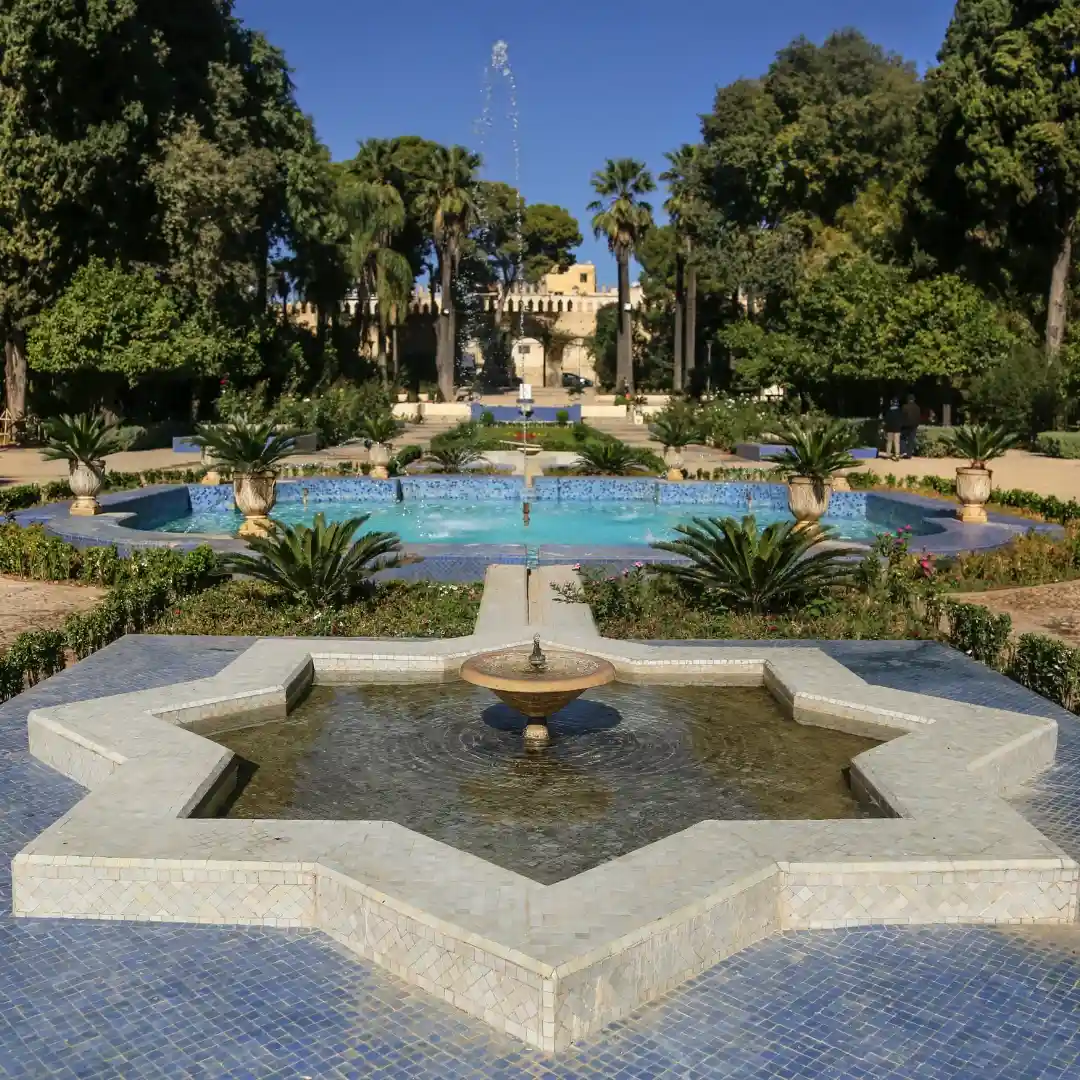
Spring
BestMar – May
Spring also brings a strong cultural calendar. The Moroccan National Tourist Office highlights the Festival of World Sacred Music, traditionally held in early May, alongside other cultural events such as Jazz in Riads.
Private journeys across Morocco
Visit Morocco Tours

A real person replies within 48 hours · Email us
Destination
A city of ancient gates, scholarly traditions, master craftsmen and one of the world’s great historic medinas. In Fez, history is not behind glass. It still lives in the streets.
Request Your Personal QuoteFez travel guide · Updated 2 October 2026
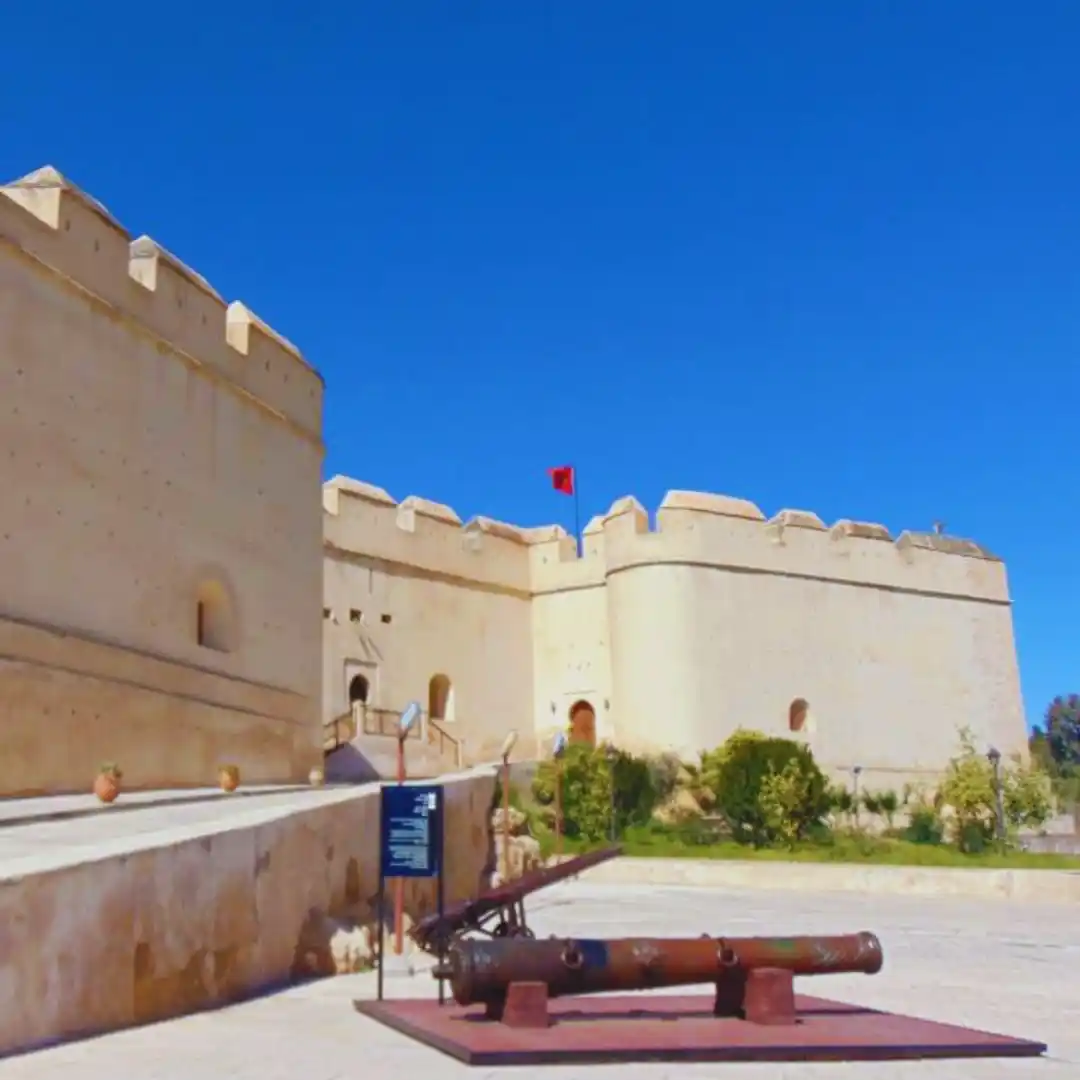
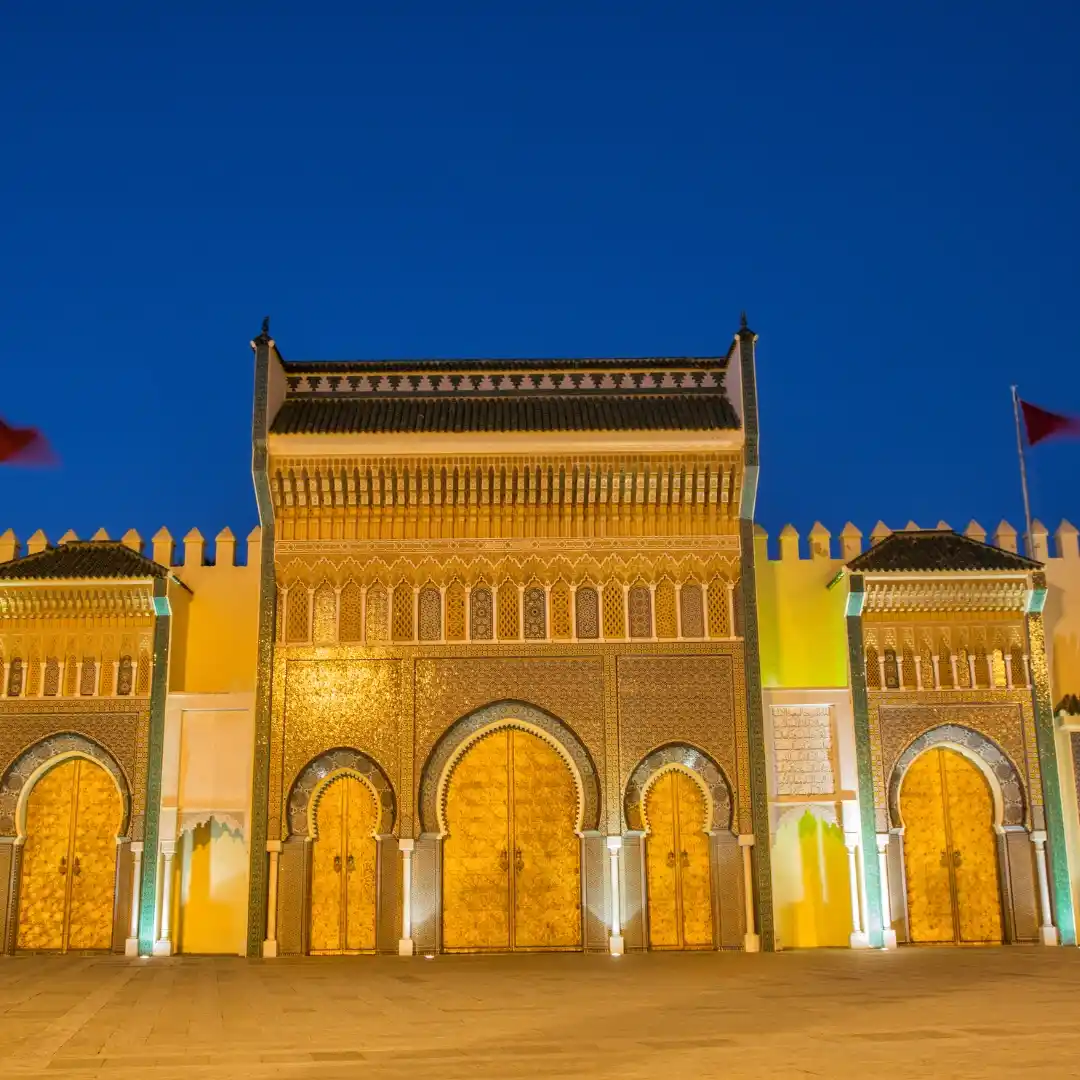
Fez asks you to slow down. Founded between 789 and 808 by the Idrisid dynasty, Fez grew into one of Morocco’s most important centres of religion, scholarship, trade and craftsmanship. Under the Marinids in the 13th and 14th centuries, the city reached another major period of influence and became the capital of the kingdom, before the political capital moved to Rabat in 1912. Fez has retained its importance as a cultural and spiritual centre.
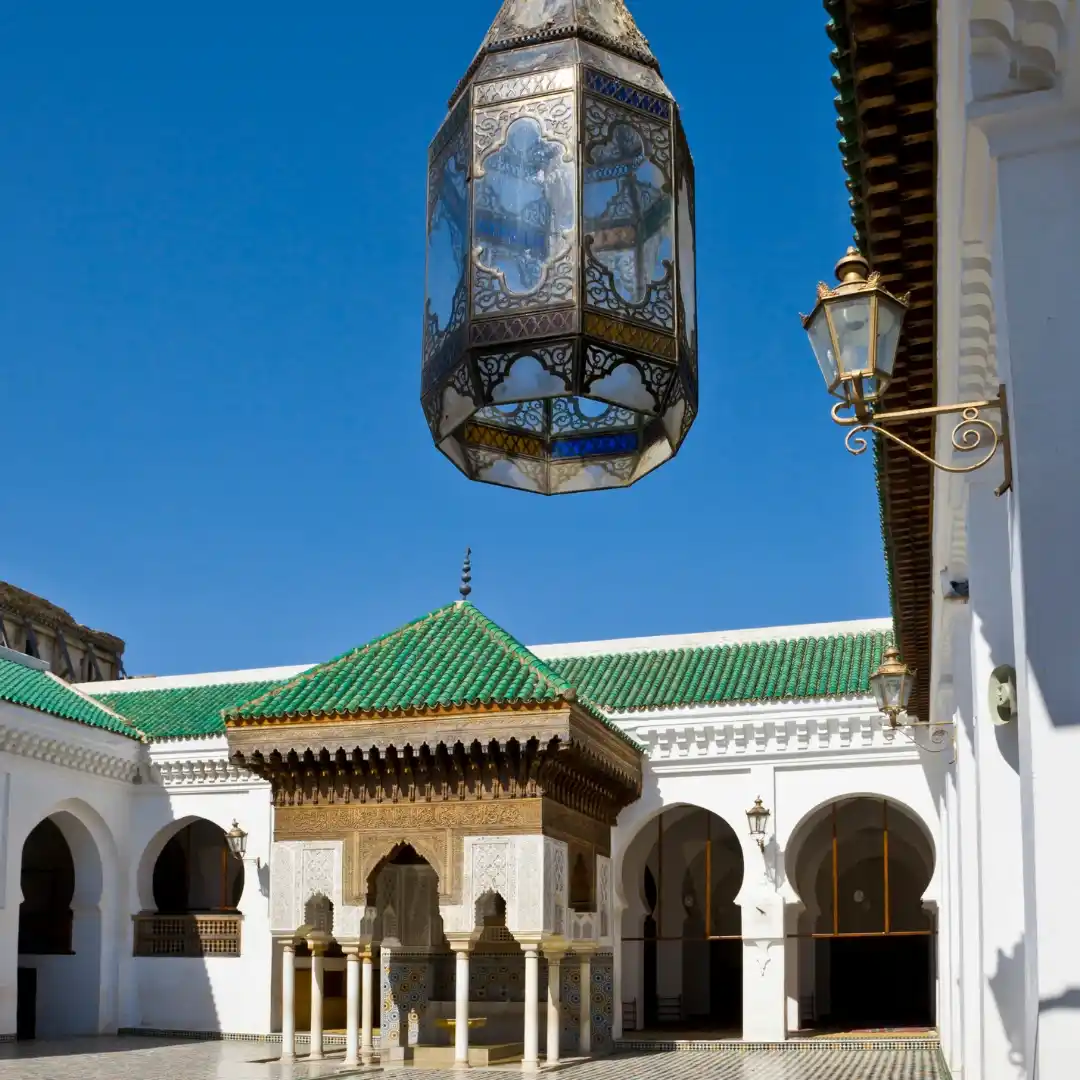
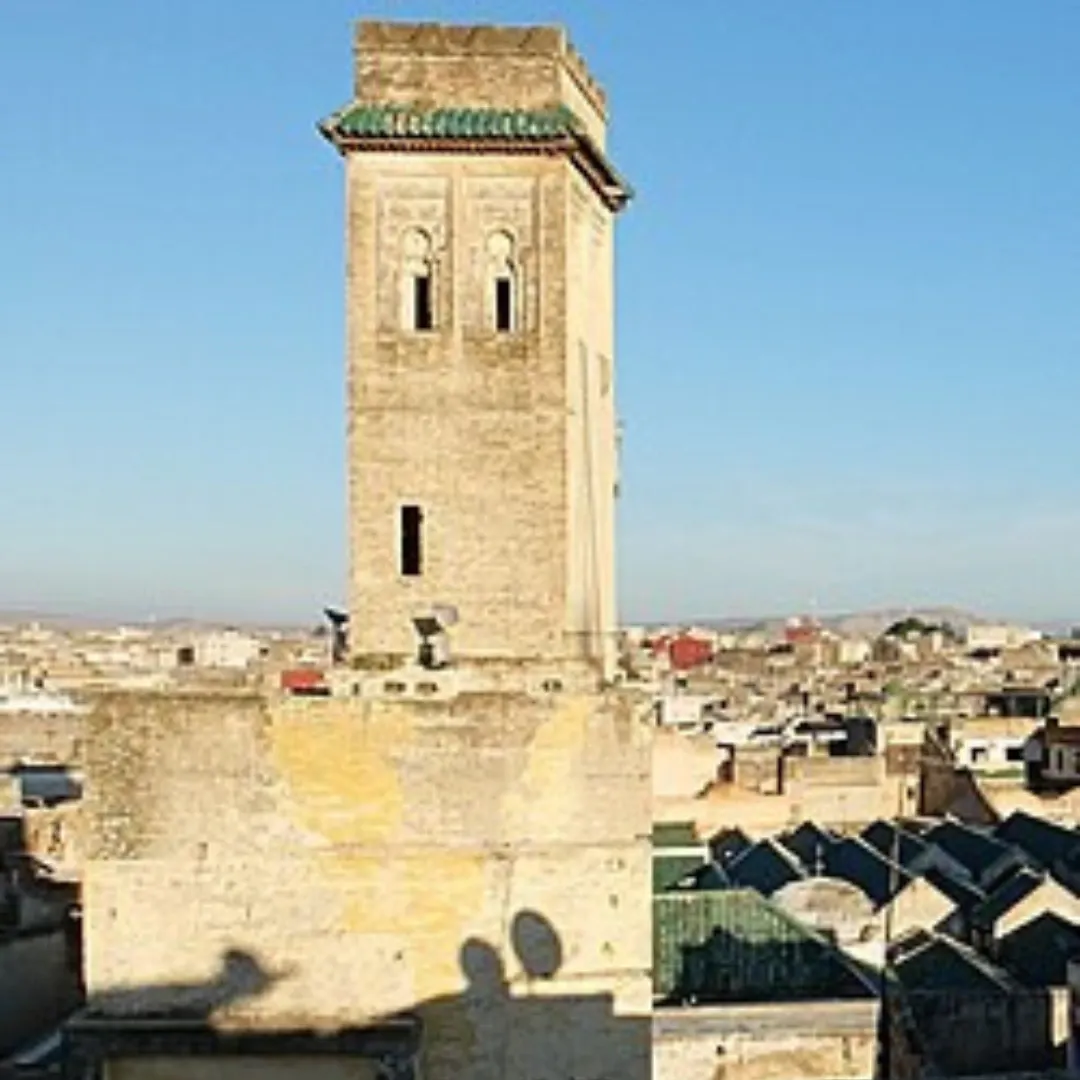
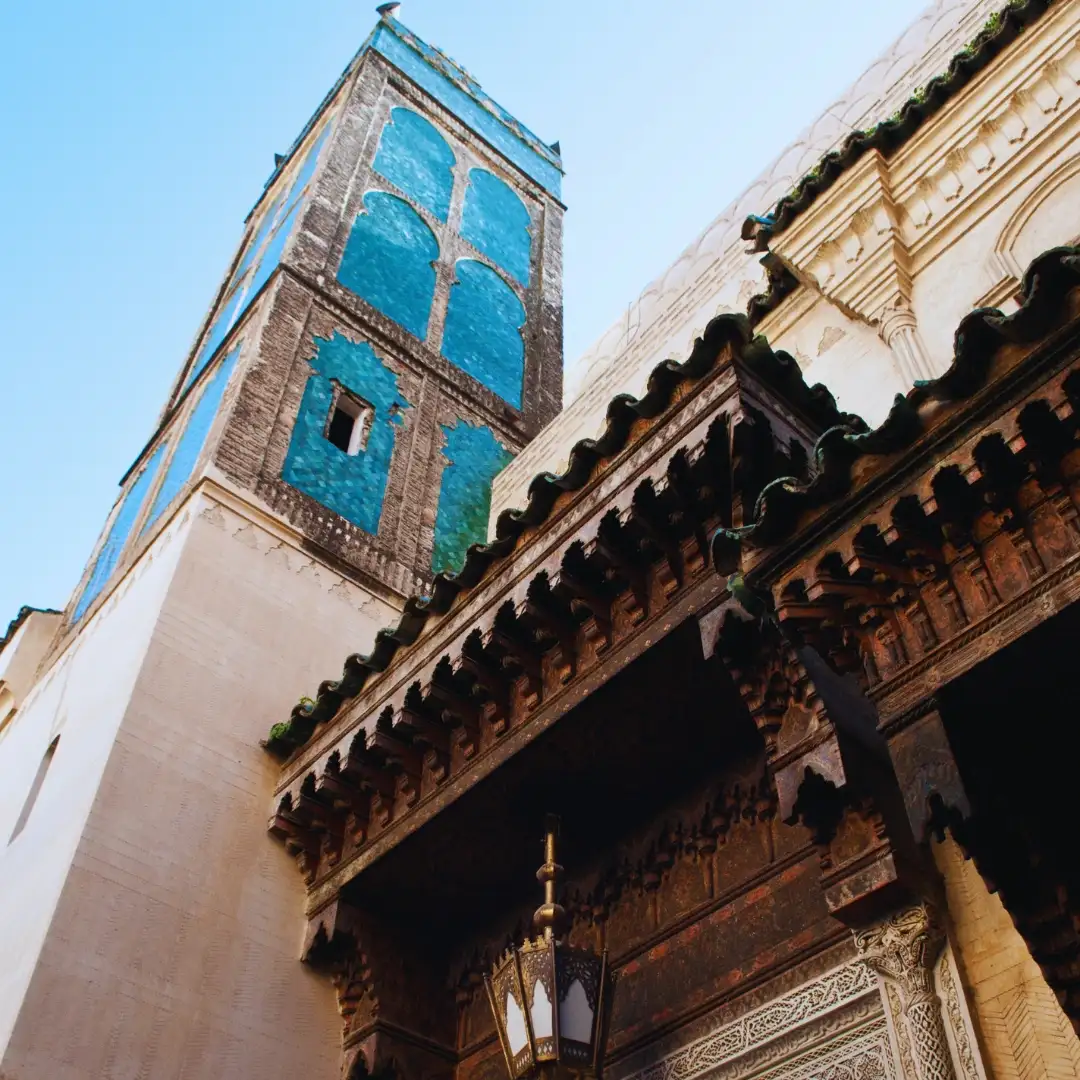
The heart of the city is the Medina of Fez, a UNESCO World Heritage site since 1981. Its urban fabric preserves centuries of mosques, madrasas, fountains, palaces, residences and artisan districts. The medina is not a museum piece. Craftspeople still work there, shops still trade, residents still move through its lanes, and daily life continues among buildings shaped by more than a thousand years of history.
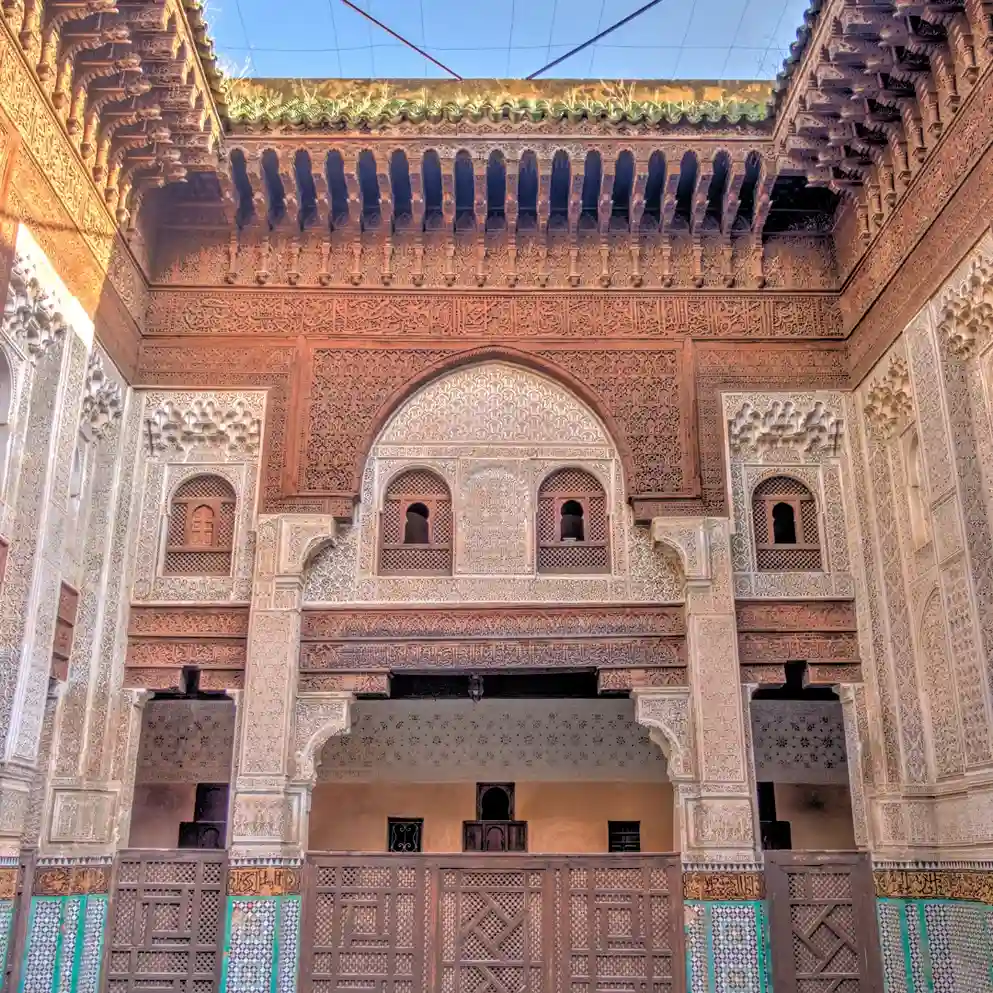
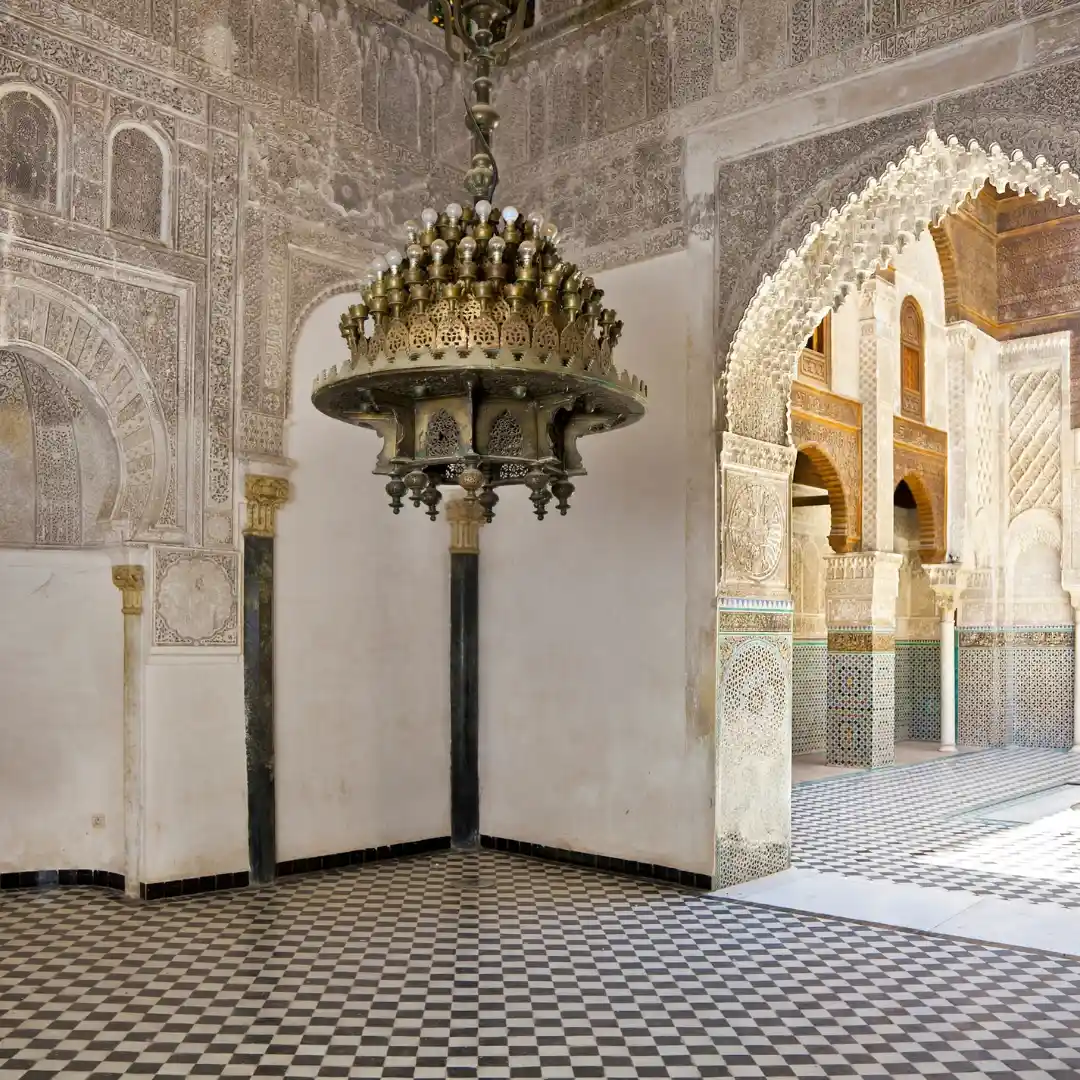
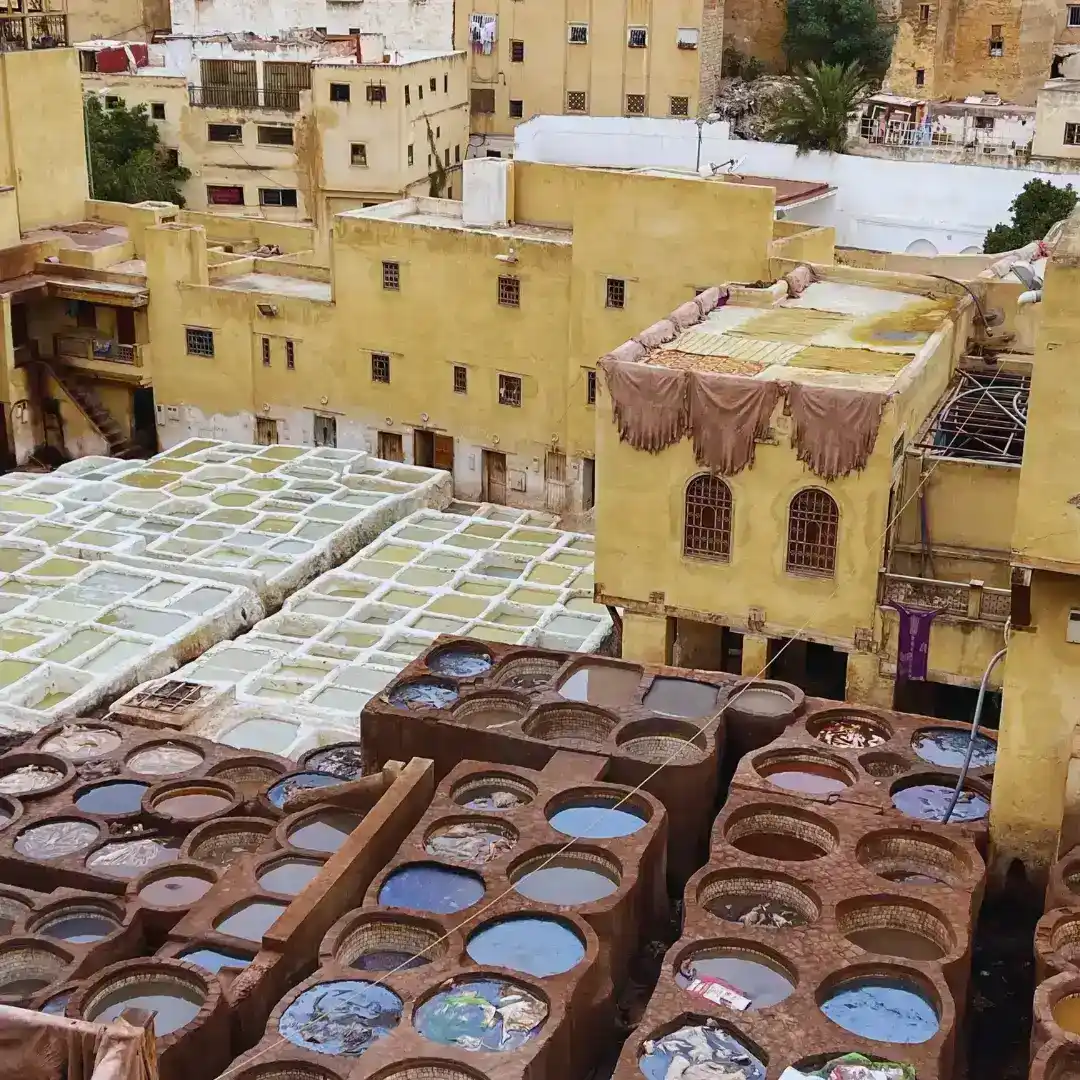
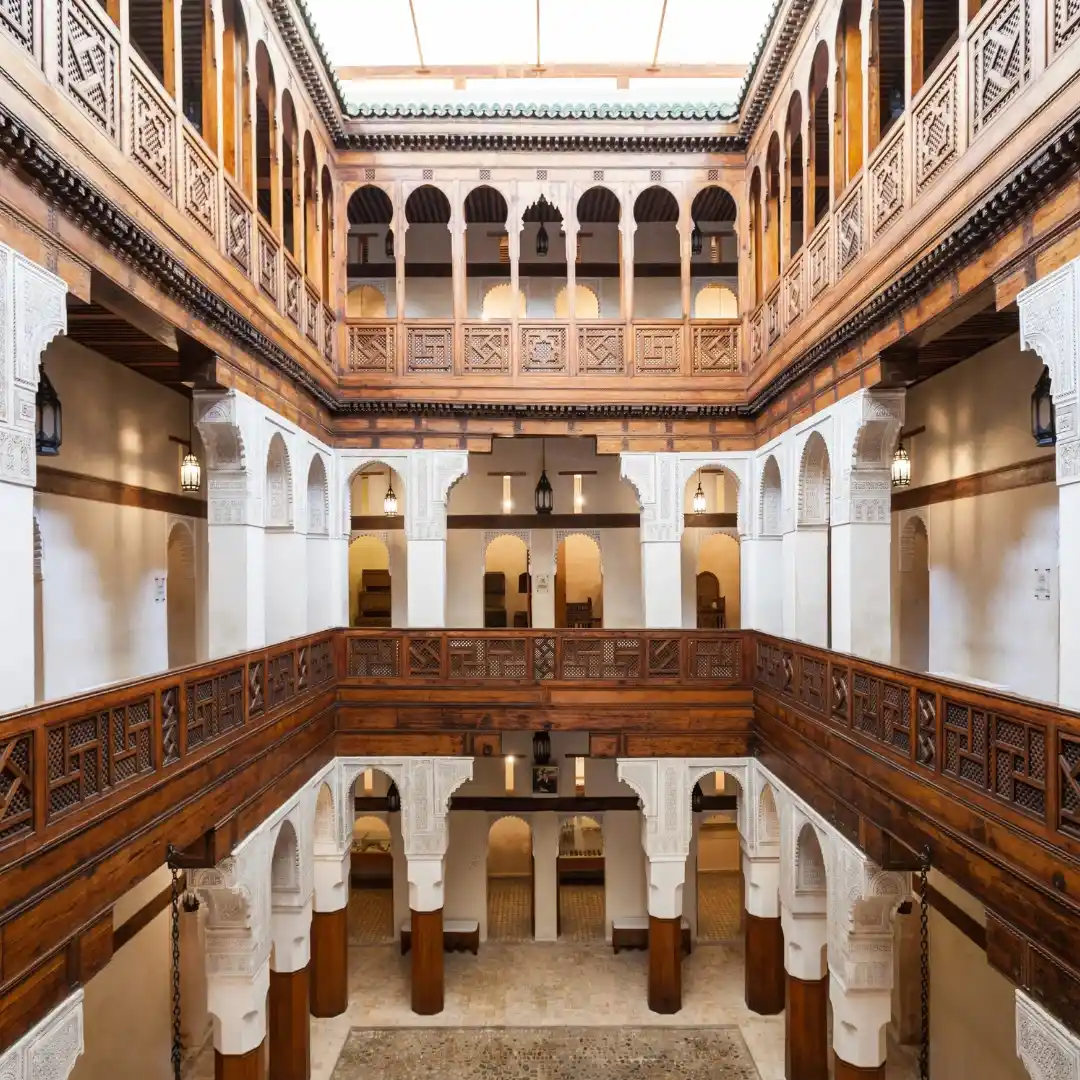
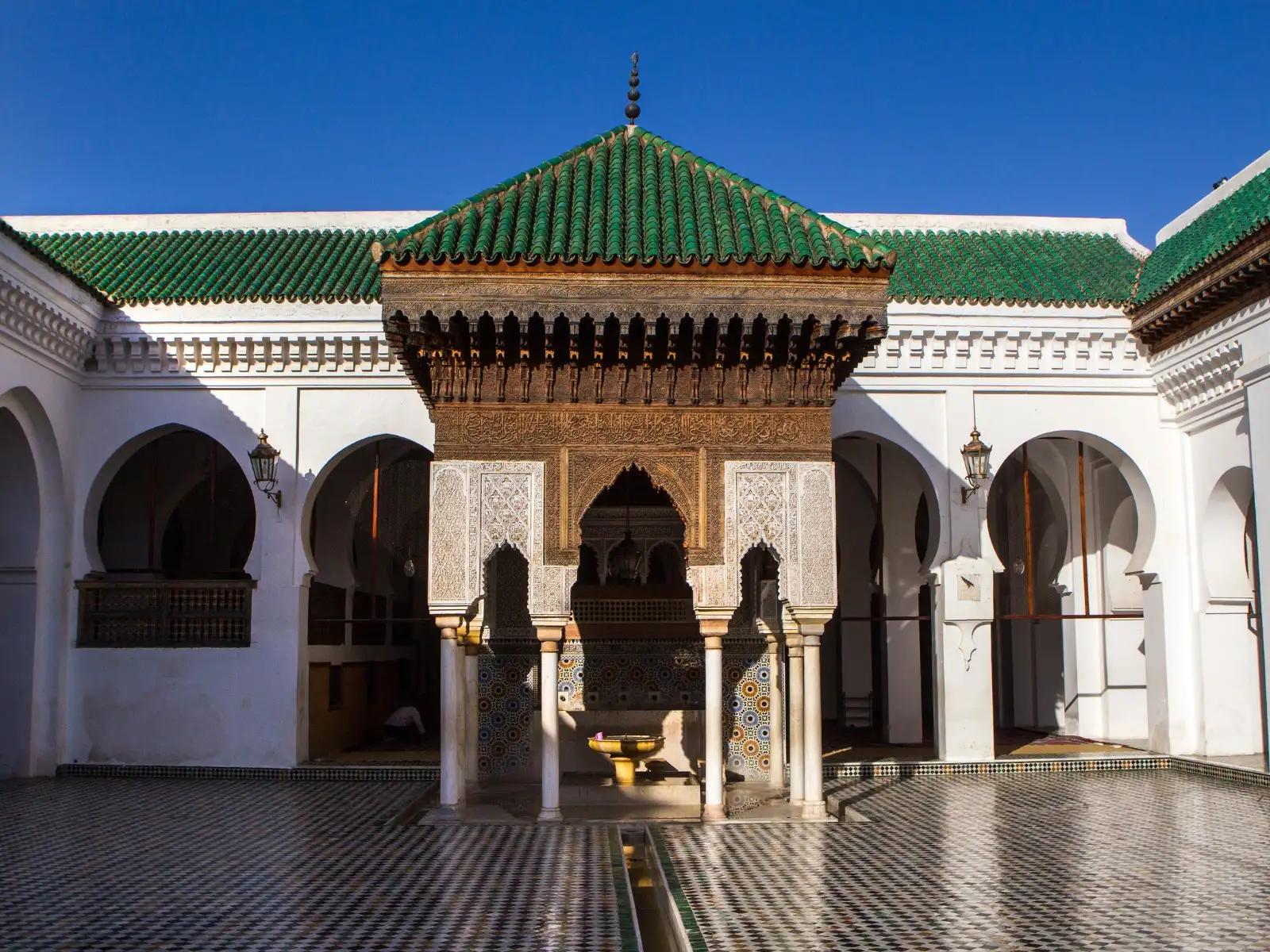
Enter through Bab Boujloud and the city quickly changes pace. Streets narrow. Sounds multiply. Leather, copper, wood, ceramics and textiles appear around you. The famous tanneries are part of this working craft tradition, while places such as the Nejjarine Museum and historic madrasas reveal another side of Fez's cultural heritage. The Moroccan National Tourist Office highlights the city's medina, leather tanneries, Quaraouiyin Mosque, Nejjarine Museum and Marinid tombs among its key attractions.
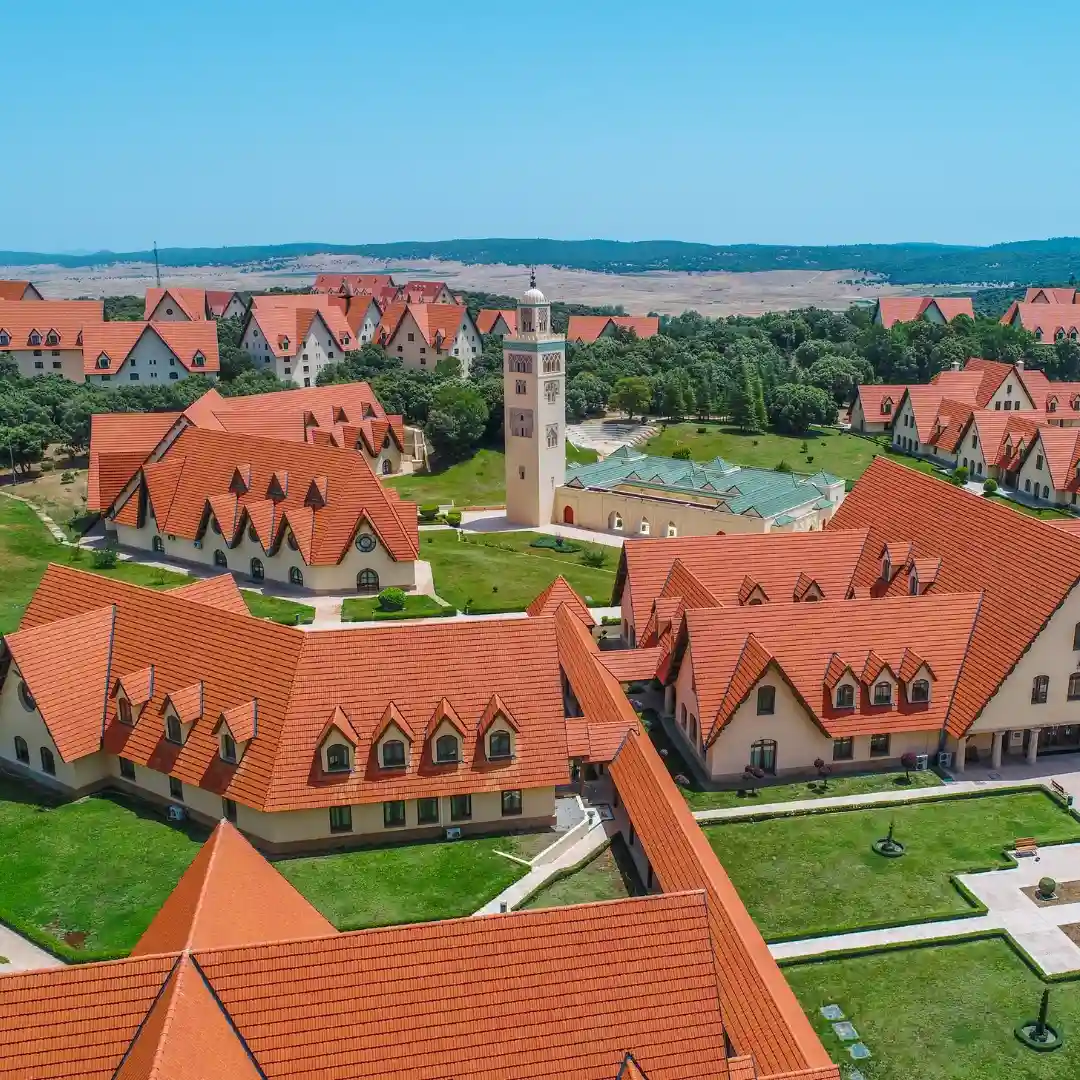
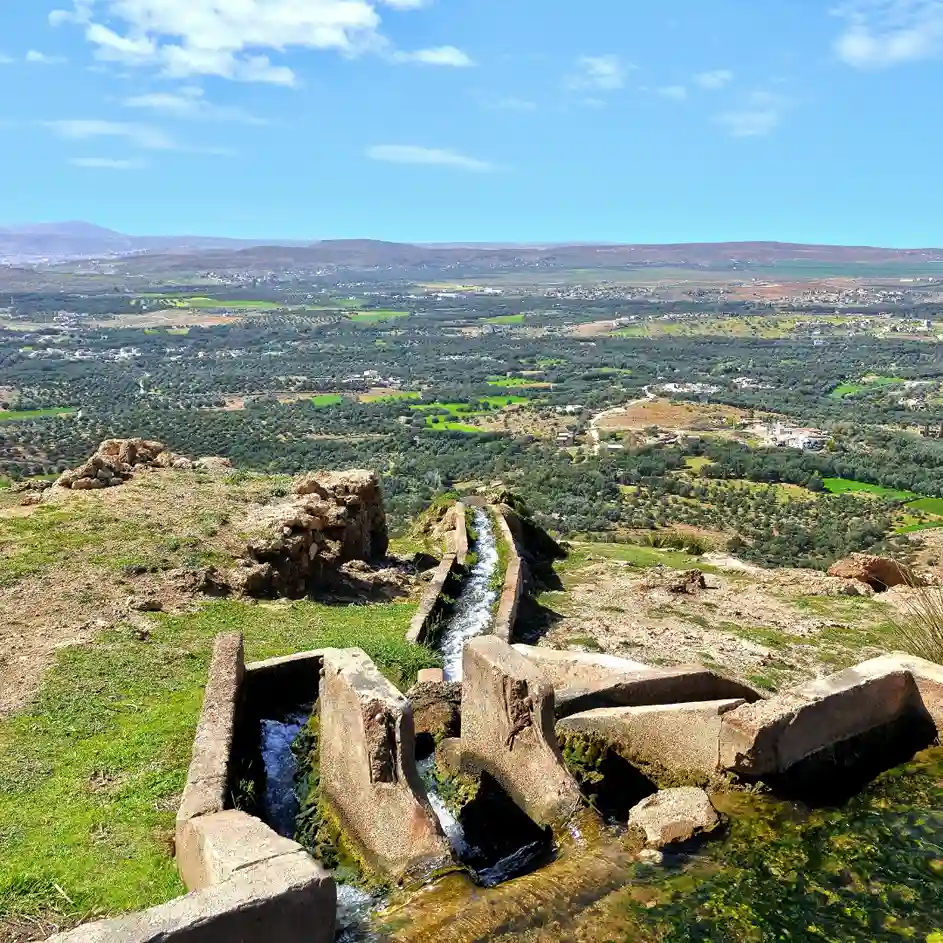
Fez also rewards travellers who look beyond the medina. The city sits above the Saïss plain, with the Middle Atlas nearby, opening the door to places such as Ifrane, Moulay Yacoub and the surrounding countryside.
Come for the history. Stay long enough to notice the living city around it.
Every journey below departs from Fez with a licensed local guide and a private vehicle. Prefer something of your own design? We build itineraries from scratch.
4 journeys
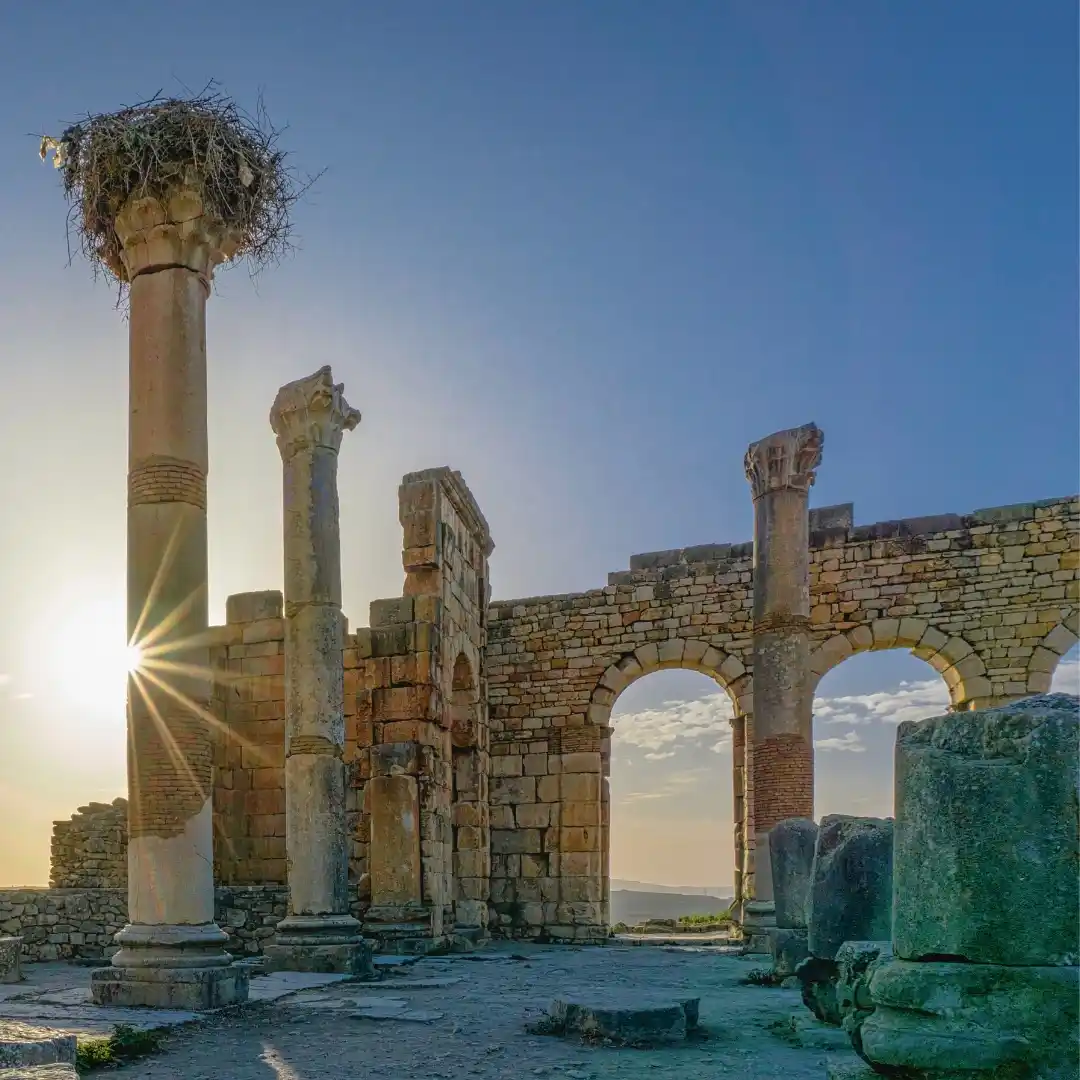
4 days / 3 nights private journey from Fez: Arrival in Fez, Fez to Volubilis to Moulay Idriss to Chefchaouen
7 day trips
1 landmarks
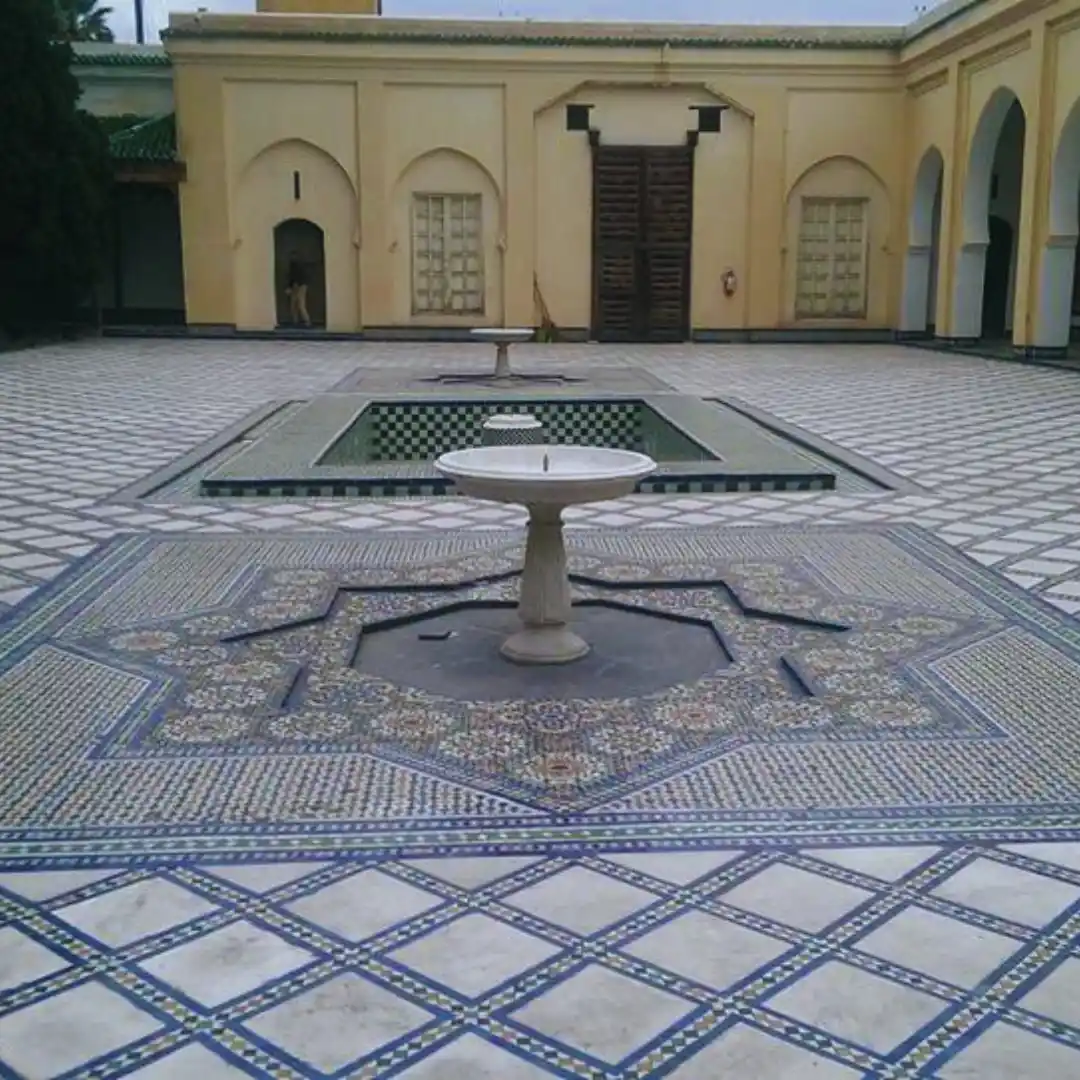
A 19th-century palace in Fez with an Andalusian garden, home to a museum of Moroccan arts — celebrated blue Fez pottery, carved wood, textiles and metalwork
11 free places
No ticket, no booking — 11 places our guides send travellers to, with opening hours, the best time to go and insider tips.
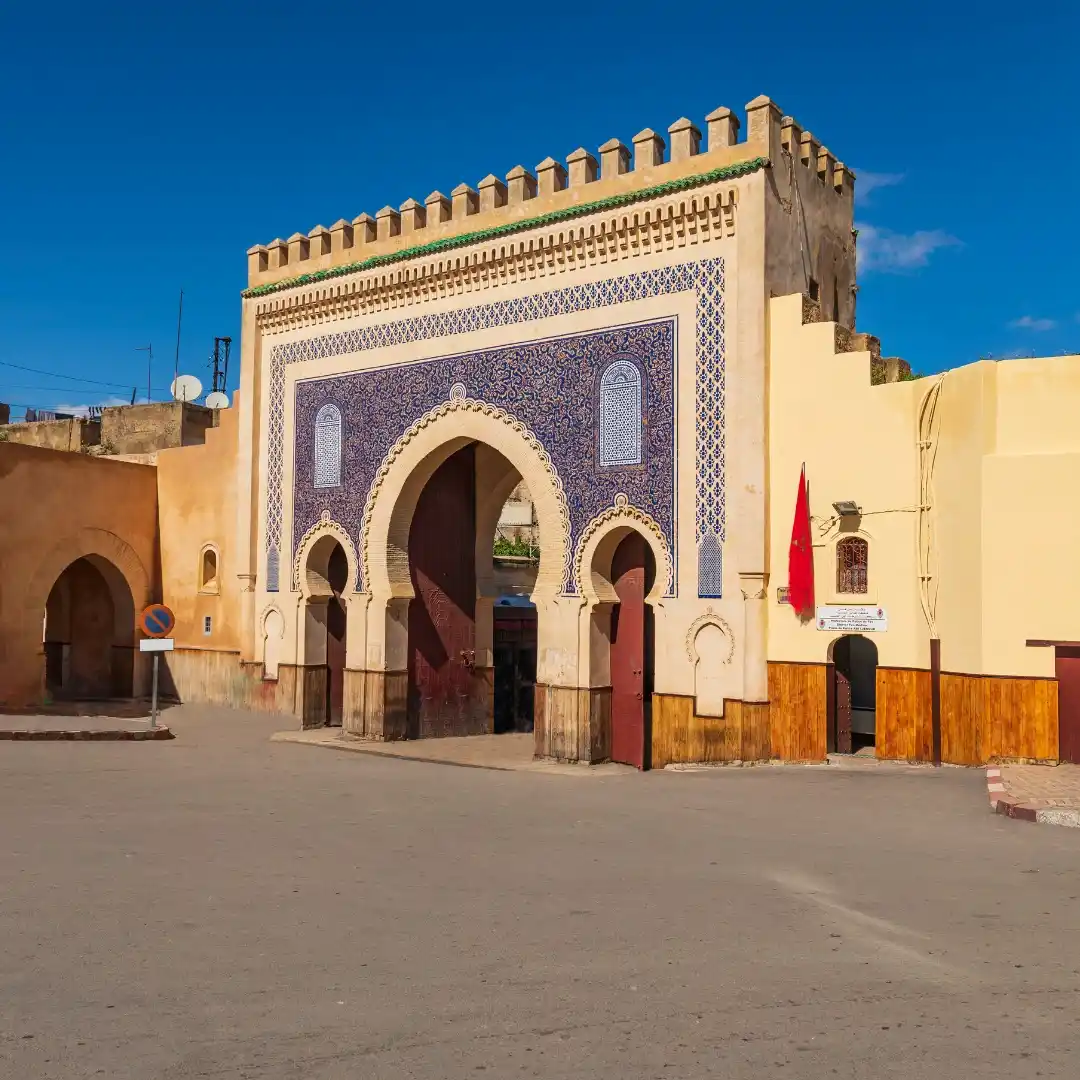
Bab Boujloud, the famous Blue Gate of Fez, marks the main entrance to the ancient Medina of Fes el-Bali
1 day
You can see the main highlights, but Fez will feel rushed. A short visit works best if Fez forms one stop within a larger Morocco itinerary.
2 days
A good introduction to the city. You have enough time to explore the Medina, visit key historic sites, see the artisan districts and experience Fez without racing from one gate to another.
3 days
A stronger choice for a first visit. You can explore the Medina at a slower pace and give time to museums, gardens, viewpoints, food and the newer parts of the city.
4 days or more
Useful if you want to combine Fez with nearby destinations such as Meknes, Volubilis, Moulay Idriss or the Middle Atlas. The extra time also lets you experience the city without treating every morning as a departure time.
Fez has an inland climate, with warmer summers and cooler winters than Morocco's Atlantic coastal cities. Morocco's inland regions experience stronger seasonal temperature changes than the coast.
Spring and autumn are particularly comfortable for exploring Fez on foot. These seasons work well if your itinerary includes long periods in the Medina or day trips into the surrounding countryside.
For a city-focused trip, spring and autumn offer the most comfortable balance for walking, sightseeing and day trips.
Mar – May
Spring also brings a strong cultural calendar. The Moroccan National Tourist Office highlights the Festival of World Sacred Music, traditionally held in early May, alongside other cultural events such as Jazz in Riads.
Jun – Aug
Summer brings higher temperatures, especially during the middle of the day. Start sightseeing earlier, take breaks during the hottest hours and keep evenings for slower exploration.
Sep – Nov
Dec – Feb
Winter brings cooler temperatures and colder evenings. Fez can still be rewarding during this period, but bring layers rather than assuming Morocco means constant heat.
Fez is well connected to Morocco's major cities by air, rail and road.
For international travellers, Fès–Saïss Airport provides the city's main air connection. The airport is south of Fez and serves domestic and international routes.
For travellers already exploring Morocco, trains connect Fez with Casablanca, Rabat, Tangier, Meknes and Marrakech. ONCF's current Al Atlas network includes routes linking Fez with Marrakech, Tangier, Meknes and Taza, among others.
Road travel also works well, particularly if Fez forms part of a private Morocco itinerary. Meknes, for example, is only around 64 km away according to the Moroccan National Tourist Office.
Fès–Saïss Airport, IATA code FEZ, is the main airport serving Fez. The airport has taxi services available 24 hours a day, seven days a week. The official airport tariff currently lists Fez at 120 MAD for a return journey, although travellers should check the current airport information before travelling because fares and arrangements change.
Taxis are located at the arrivals area.
For travellers with luggage, families or groups, a private transfer offers a straightforward alternative. It also works well if Fez is the first stop on a wider Morocco itinerary and you want to continue directly towards another destination.
Train connections
Fez has an important position on Morocco's conventional rail network.
ONCF currently lists Al Atlas services connecting Fez with Marrakech, Tangier, Meknes and Taza. There are also rail connections towards Casablanca and other major Moroccan cities through the national network.
Fez to Marrakech is one of the longer rail journeys across Morocco, but the direct Al Atlas connection makes the route practical for travellers who prefer to travel by train.
Fez also works particularly well with Meknes. The two cities are close enough to combine in one itinerary, while Rabat and Casablanca provide straightforward connections for travellers arriving from the Atlantic side of Morocco.
The high-speed Al Boraq service does not currently run directly to Fez. Al Boraq serves Tangier, Kenitra, Rabat and Casablanca. Travellers continuing to Fez transfer to the conventional rail network.
Check the current ONCF timetable before travelling, especially for longer journeys.
The best way to experience the historic Medina is on foot.
Fez el-Bali has a dense network of narrow lanes, passages and traditional streets. Many areas are not accessible to ordinary cars, so walking becomes part of the experience rather than a transport problem.
Bab Boujloud is one of the easiest points from which to enter the Medina. From there, the streets lead into the historic heart of Fez, where shops, workshops, monuments and residential areas sit closely together.
Taxis are useful for travelling between the Medina, Ville Nouvelle, train station and other parts of the city. For excursions outside Fez, private transport offers more flexibility, particularly when combining several destinations in one day. If you plan to visit places such as Meknes, Volubilis, Moulay Idriss or the Middle Atlas, organised transport often makes the route much easier.
Yes. Fez offers one of Morocco's strongest experiences for travellers interested in history, architecture, craftsmanship, food and living cultural traditions. The Medina remains a functioning part of the city rather than a preserved attraction.
Two days works well for a first introduction. Three days gives you more time for the Medina and the city's wider cultural attractions. Four days or more works well if you want to add Meknes, Volubilis, Moulay Idriss or the Middle Atlas.
Yes. The Medina is the core of the Fez experience. Its streets preserve historic architecture, artisan workshops, markets, religious buildings and residential areas. UNESCO describes the Medina as one of the most extensive and best-conserved historic towns of the Arab-Muslim world.
Spring and autumn generally offer the most comfortable conditions for walking through the Medina and exploring the surrounding region. Summer is hotter, while winter brings cooler days and evenings. Morocco's inland regions experience greater seasonal temperature variation than coastal areas.
Yes. We shape your days around what interests you, from tanneries, madrasas and artisan workshops to food, and can add Meknes, Volubilis, Moulay Idriss or the Middle Atlas.
Yes. Fez rewards curious solo travellers, and many explore it alone. Because the Medina is so complex, we recommend a guide for at least your first day. Women travelling alone generally have positive experiences with sensible precautions.
The historic Medina is best explored on foot. Its narrow streets and dense urban layout make walking the most practical way to experience the area. Taxis work better for journeys between the Medina and other parts of the city.
Taxis operate from the arrivals area at Fès–Saïss Airport 24 hours a day, seven days a week. Private transfers are another practical option, particularly for families, groups or travellers with substantial luggage.
Yes. ONCF currently lists an Al Atlas rail connection between Fez and Marrakech. Check the current timetable before travelling because schedules change.
Yes. Meknes is around 64 km from Fez, making the two cities easy to combine. The ONCF network also provides a rail connection between Meknes and Fez.
Fez is known for its historic Medina, traditional craftsmanship, religious and scholarly heritage, architecture, leather tanneries and Moroccan cuisine. The Medina of Fez has UNESCO World Heritage status and preserves an exceptionally extensive historic urban environment.
Fez was founded by the Idrisid dynasty between 789 and 808 and later became a major political, religious, intellectual and commercial centre. Under the Marinids, the city became the capital of the kingdom and experienced a major period of architectural and cultural development.
Yes. Fez is generally safe for visitors, and violent crime against tourists is rare. The Medina's lanes are a maze, so a licensed local guide is the best way to explore without getting lost or approached by unofficial guides. Keep valuables out of sight and use official taxis.
It depends on your travel style. As a guide, a private trip with us typically runs at about £80–120 per person per day on a budget, £150–250 mid-range and £300–500+ for a comfort trip, covering accommodation, private transport and guiding. Restored riads inside the Medina are the most atmospheric places to stay, and they come in every price range. We send an itemised quote for your exact plans, with no hidden costs.
Where Morocco Meets the Atlantic
Where the Red City Comes Alive
Where the Sahara Begins
Where History Meets the Atlantic
Where Two Seas Meet
Tell us your dates and travel style — we reply with a tailored itinerary within 48 hours.