Landmark · Fez
Dar Batha Museum
A 19th-century palace in Fez with an Andalusian garden, home to a museum of Moroccan arts — celebrated blue Fez pottery, carved wood, textiles and metalwork.
- Time to allow
- 2 Hours
- Location
- Fez, Morocco
- How to visit
- On your own, or as part of a private tour
A visitor guide from our local team — and a favourite stop on our private tours.
Dar Batha Museum - Fez Cultural Journey Step into Morocco’s artistic heritage at the Dar Batha Museum in Fez. Explore centuries-old ceramics, intricate woodwork, vibrant textiles, and historic manuscripts that…
Good to know
- Opening hours
- 10:-18:00 Saturday-Closed
- Address
- Oued Fejjaline, 5 Ave du Batha, Fes
- Accessibility
- Access: Pedestrian-only area; vehicles cannot approach the museum directly. Wheelchair Access: The museum's ground floor is accessible, but upper levels may present challenges for wheelchair users.
Insider tips
Best Time to Visit: Arrive early in the morning to enjoy a quieter experience and better lighting for viewing exhibits.
Is this experience for you?
Answer 3 quick questions and we'll tell you honestly whether this visit is your kind of day.
01How do you like a day like this to run?
02How much walking and effort are you up for?
03What are you hoping to get out of the visit?
0 of 3 answered — answer them all to see your result
Dar Batha Museum: Morocco's Artistic Heartbeat
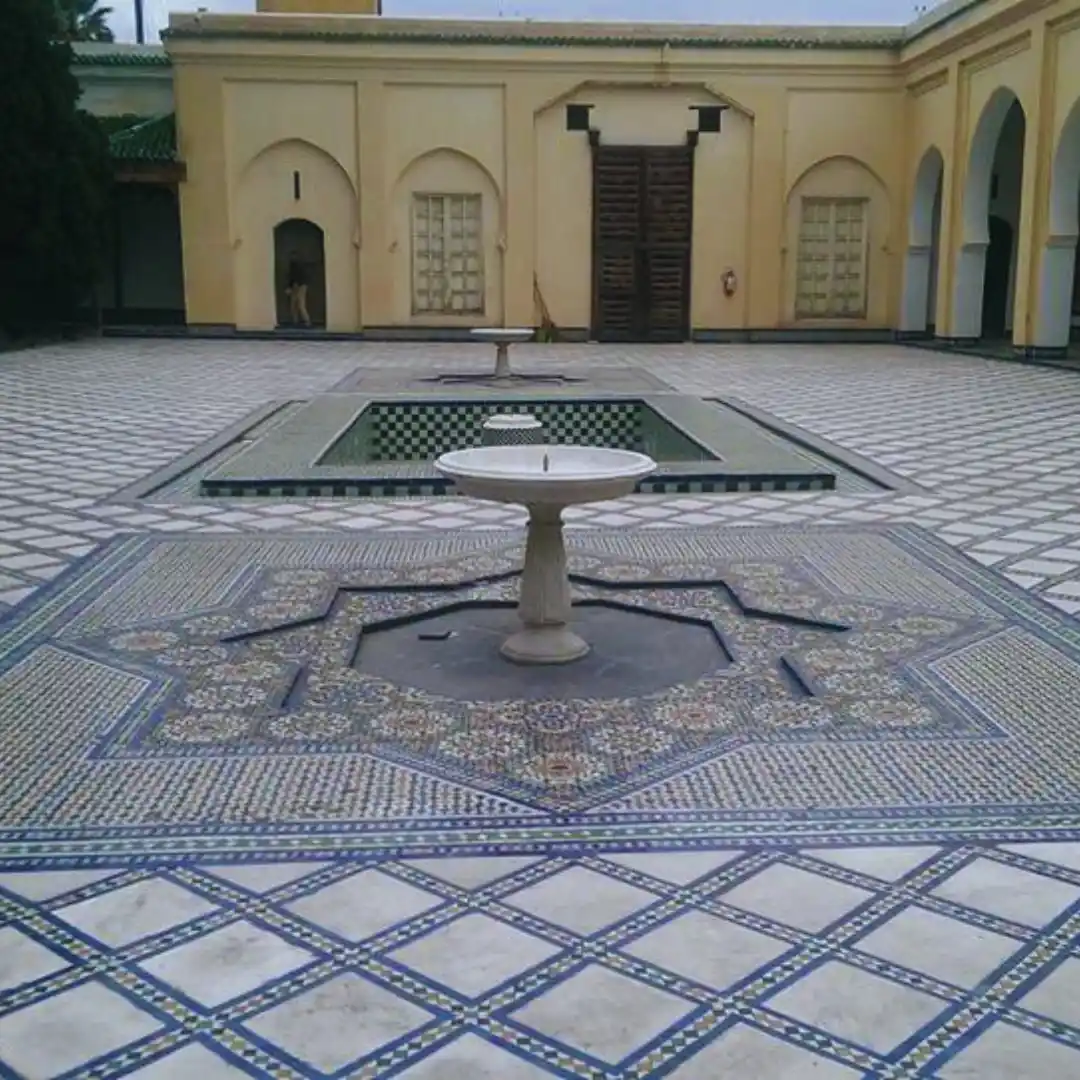
Walking through Fez, the scent of citrus blossoms and the distant hum of the medina welcome you. A visit to the Dar Batha Museum begins here, in a city that balances centuries of history with vibrant modern life. As you approach the former royal palace, now a museum, the cool shade of the Andalusian-style courtyard and the sound of trickling fountains set a reflective mood. Here, you step into Morocco's artistic past, where every tile, carved ceiling, and painted wall tells a story. For more information on Dar Batha Museum and its restoration, visit the Fondation Nationale des Musées, Morocco.A Royal Palace Turned Cultural Haven
Originally constructed under Sultan Hassan I and completed by Sultan Abdelaziz in the late 19th century, the palace itself is a masterpiece. Converted into a museum in 1915, it houses thousands of artefacts, giving the Dar Batha Museum a dual purpose: to preserve Morocco's heritage and to let visitors experience it intimately.A Living Gallery of Moroccan Arts
The Dar Batha Museum invites you to explore galleries dedicated to ceramics, textiles, woodwork, manuscripts, and scientific instruments. The ceramic collection, highlighted in many Fez workshops, showcases the city's iconic blue-and-white designs. Wooden arts include carved doors and screens, echoing traditional craftsmanship, while textiles reveal embroidered garments and tapestries from different regions. Manuscripts and astrolabes remind visitors of Morocco's rich intellectual history.What to Notice When You Arrive
On arrival, the central courtyard is the first sensory delight. Lush greenery, fountains, and sunlight create an atmosphere both peaceful and inspiring. A visit to the Dar Batha Museum is about the experience of presence: walking among artefacts that have witnessed centuries of Moroccan life. Notice the details- hand-carved arabesques, the subtle hues of zellige tiles, and the texture of ancient manuscripts.Pair This With Nearby Gems
To round off your visit to the Dar Batha Museum, explore the attractions nearby. Explore the Al-Attarine Madrasa, a 14th-century school famous for its tilework. Then stroll through the Nejjarine Museum of Wooden Arts & Crafts, where woodwork comes alive. Finally, step into Jnan Sbil Gardens for a quiet moment, away from the medina bustle. These sites complement the museum visit and provide context to Fez's cultural richness.Why This Place Matters
The Dar Batha Museum is not merely about objects behind glass. Each exhibit demonstrates Morocco's commitment to preserving tradition while engaging modern audiences. Ceramics connect you to Fez's artisan neighbourhoods, textiles to historical clothing practices, and manuscripts to centuries of scholarship. The museum anchors visitors in Morocco's cultural identity. For updates on Dar Batha Museum’s reopening and Islamic treasures, see the detailed report by Le360.ma (opens in a new tab).What Locals Know, and Visitors Learn
Locals treasure the museum as a quiet haven, away from the medina's chaos. Visitors learn that Moroccan art is not static; it evolves yet retains its roots. The Dar Batha Museum highlights the connections between crafts, architecture, and daily life. Taking your time in each gallery, or attending a workshop where one is offered, enriches your understanding.Hidden Corners to Discover
Look for the less-travelled areas: small side galleries, tucked-away courtyards, and hidden tiles near staircases. These corners reveal artistry often missed by casual tourists. The Dar Batha Museum rewards exploration beyond the main exhibits, with stories and details of Morocco's heritage for the curious visitor.Tips Before You Go
Arrive early to avoid crowds and experience the museum in quiet reflection. Wear comfortable shoes for walking across mosaic floors. Photography is allowed, but avoid flash to protect delicate pieces.Official information
- Morocco's national museums (opens in a new tab)Fondation Nationale des Musées
- Medina of Fez (opens in a new tab)UNESCO World Heritage Centre
- Visiting Fez (opens in a new tab)Moroccan National Tourist Office
Frequently asked
More to see in Fez
- Bab Boujloud Gate
- Jnan Sbil Gardens
- Bou Inania Madrasa
- Al Attarine Madrasa
- Chouara Tanneries
- Al Qarawiyyin Courtyard
- Borj Neffara
- Nejjarine Museum
Tagged
Private tours in Fez
Tailor-made days and journeys — every one can include this visit