Landmark · Casablanca
Mahkama du Pacha
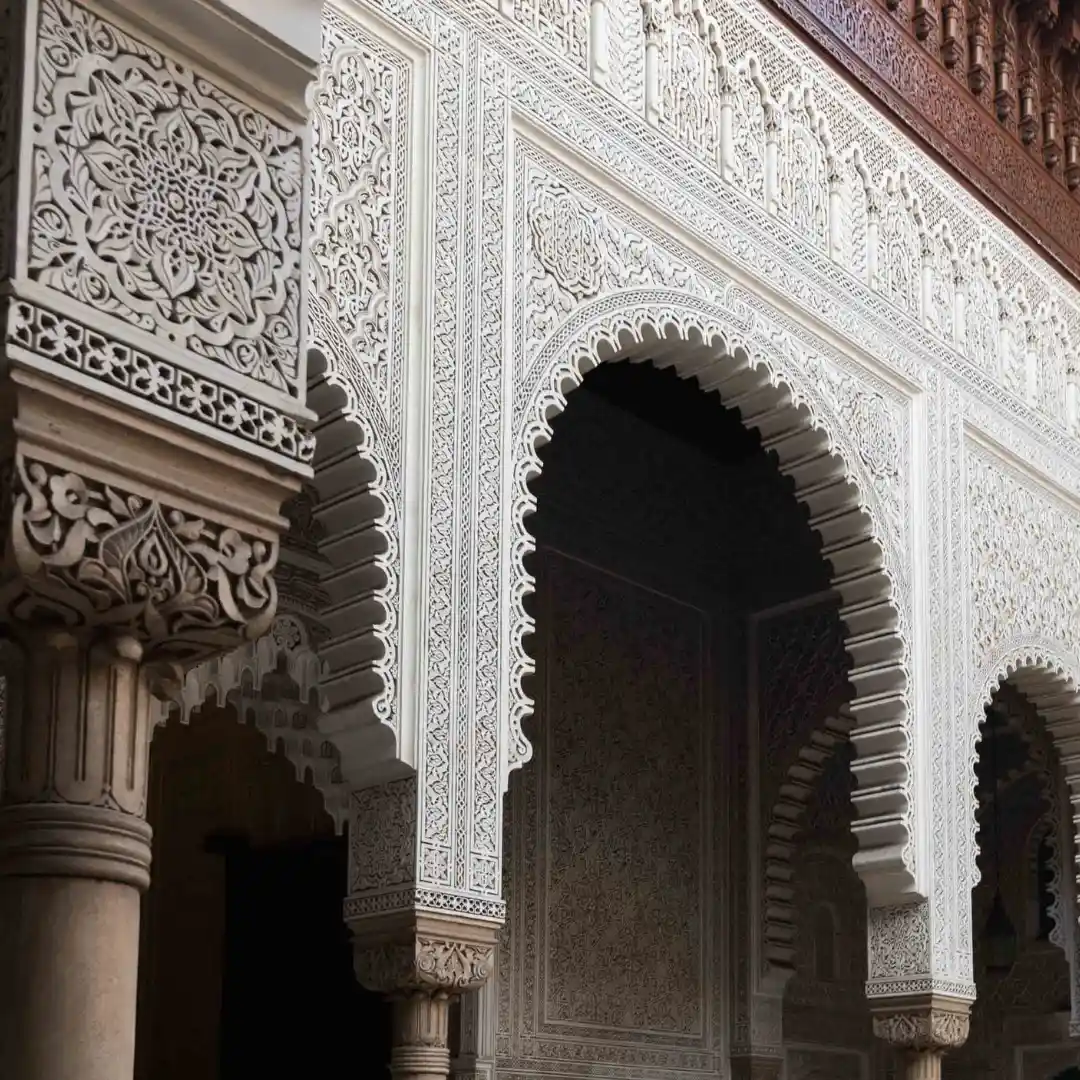
A working courthouse in Casablanca's Habous quarter, built in the 1940s with carved cedar ceilings, stucco and zellige — one of the city's finest examples of Moroccan craftsmanship.
- Time to allow
- 45-60 minutes
- Location
- Casablanca, Morocco
- How to visit
- On your own, or as part of a private tour
A visitor guide from our local team — and a favourite stop on our private tours.
Step inside the Mahkama du Pacha and you’ll feel like you’ve crossed into a living museum of Moroccan craftsmanship. This isn’t just a building—it’s a palace of justice, a former seat of power, and a symbol of Casablanca’s layered history. Built in the early 1950s, the Mahkama du Pacha was designed to serve as both courthouse and administrative offices, yet its beauty is far closer to a royal palace than a civic institution. Carved cedar wood, colourful zellij tiles, graceful archways, and hand-sculpted stucco ceilings stretch from hall to hall, making the entire space a masterpiece of Moorish-Andalusian artistry.
Good to know
- Opening hours
- 09:00-16:00
- Address
- 12 Rue Moulay Ismail, Casablanca 20550, Morocco
- Accessibility
- Wheelchair access: Limited (steps at entrance, no ramp) Mobility aid users: Difficult (narrow corridors, uneven floors) Visual impairment: No tactile exhibits; dim lighting
Insider tips
Secret Soundtrack: Arrive at 11:00 when the muezzin's call from nearby mosques echoes through the central atrium—an unplanned acoustic marvel. Caretaker's Choice: The elderly doorman (since 1987) will show you his favourite hidden tile mosaic if you ask about the bird that drinks from a fountain.
Is this experience for you?
Answer 3 quick questions and we'll tell you honestly whether this visit is your kind of day.
01How do you like a day like this to run?
02How much walking and effort are you up for?
03What are you hoping to get out of the visit?
0 of 3 answered — answer them all to see your result
A Palace of Justice Where Every Wall Tells a Story
Step inside the Mahkama du Pacha and you’ll feel like you’ve crossed into a living museum of Moroccan craftsmanship. This isn’t just a building—it’s a palace of justice, a former seat of power, and a symbol of Casablanca’s layered history. Built in the early 1950s, the Mahkama du Pacha was designed to serve as both courthouse and administrative offices, yet its beauty is far closer to a royal palace than a civic institution. Carved cedar wood, colourful zellij tiles, graceful archways, and hand-sculpted stucco ceilings stretch from hall to hall, making the entire space a masterpiece of Moorish-Andalusian artistry.
This is where justice meets art, and where every corridor tells a story. For visitors to the Mahkama du Pacha, the experience is less about cold history and more about breathing in a place where power, tradition, and beauty once intertwined.
To deepen your experience, begin with a Mahkama du Pacha, where every carved cedar panel, intricate mosaic, and hidden courtyard fountain tells the story of Morocco’s legal and architectural heritage. For more detailed visitor information, opening hours, and practical tips, see Mahkama du Pacha on Morocco.com.
Why This Place Matters
The Mahkama du Pacha is more than an architectural wonder—it’s a reminder of Morocco’s blending of heritage and modern governance during a time of change. In an era when Casablanca was rapidly transforming into the country’s economic heart, this palace stood as a dignified symbol of authority and tradition. The Mahkama du Pacha doesn’t just showcase tiles and arches; it reveals how Morocco honoured its identity while stepping into the future.
For architecture lovers, it’s a treasure chest. For history seekers, it’s a living classroom. For curious travellers, it’s one of the rare places in Casablanca where artistry, politics, and social memory merge under one roof.
What to Notice When You Arrive
The first impression is overwhelming: an enormous arched entrance framed by intricate tilework that feels almost like lace carved in stone. Pause here to trace the geometric designs with your eyes, noticing how every angle has been calculated for harmony. Inside, cedar ceilings stretch above you, hand-painted with patterns that have been perfected for centuries. The patios, filled with natural light, open into rooms decorated with fountains, carved stucco, and traditional mosaics that change color with the sun.
Every detail speaks of Moroccan artisanship: doors crafted from Atlas cedar, ironwork twisted into poetic shapes, and floors paved with tiles laid one by one. To walk through the Mahkama du Pacha is to feel how art was placed into the very heart of public life.
Pair This With Nearby Gems
To see it as part of a wider day, ask us to include the Mahkama du Pacha in a private, tailor-made tour of Casablanca, where every carved wooden door and mosaic detail brings you closer to Morocco’s layered history. After exploring this landmark of justice and power, shift your attention to the Casablanca Cathedral. Although no longer a functioning church, its towering white structure stands as a powerful reminder of the city’s colonial past and its ability to transform spaces into cultural venues for exhibitions and concerts.
Once you’ve absorbed the architectural contrasts, balance the day with a visit to the Villa des Arts. This vibrant gallery and museum highlights Morocco’s contemporary and modern art scene, offering a colourful counterpoint to the solemnity of historic sites. By connecting these three experiences, you don’t just walk through places—you weave together Casablanca’s story of tradition, spirituality, and creativity in a single journey.
Finally, visit the Abderrahman Slaoui Foundation Museum, an intimate museum where carefully curated collections of jewellery, paintings, and vintage posters provide a close window into Morocco’s artistic soul. Together, these four landmarks create a full-circle experience of Casablanca, blending history, spirituality, craftsmanship, and artistic expression into one memorable journey.
What Locals Know and Visitors Learn
Ask a local about the Mahkama du Pacha, and you’ll hear a mix of pride and nostalgia. Many Casablancans see it as a rare jewel of craftsmanship in a city that’s more often celebrated for its modern skyline. What visitors quickly learn about the Mahkama du Pacha is that access is limited. Since the palace still functions as an administrative space, it isn’t always open freely to the public. This exclusivity makes any visit feel like a privilege—like stepping behind a velvet rope into history itself.
Tips Before You Go
-
Check accessibility: Since the Mahkama du Pacha is a working institution, you often cannot simply show up at the gates, so confirm the current entry arrangements before you go.
-
Dress respectfully: This is not just a tourist site but a civic building, so modest attire is appreciated.
-
Bring a camera: Photography is sometimes restricted inside, so check with staff on the day, but the permitted spots are unforgettable.
The Final Verdict
The Mahkama du Pacha is not just another stop on a Casablanca itinerary—it’s a palace that bridges past and present, law and artistry, tradition and modernity. The Mahkama du Pacha is a chance to see Morocco’s soul reflected in cedar and tile, and to understand how a courthouse can become a cultural jewel. Whether you are an architecture enthusiast, a lover of history, or simply a traveller chasing authentic moments, this palace will stay with you long after you step back onto Casablanca’s busy streets.
Official information
- Visiting Casablanca (opens in a new tab)Moroccan National Tourist Office
Frequently asked
More to see in Casablanca
- Hassan II Mosque
- Casablanca Cathedral
- Villa des Arts
- Abderrahman Slaoui Foundation Museum
- Dar al Ala Museum
- Hassan II Mosque
- La Corniche
- Quartier Habous
Tagged
Private tours in Casablanca
Tailor-made days and journeys — every one can include this visit
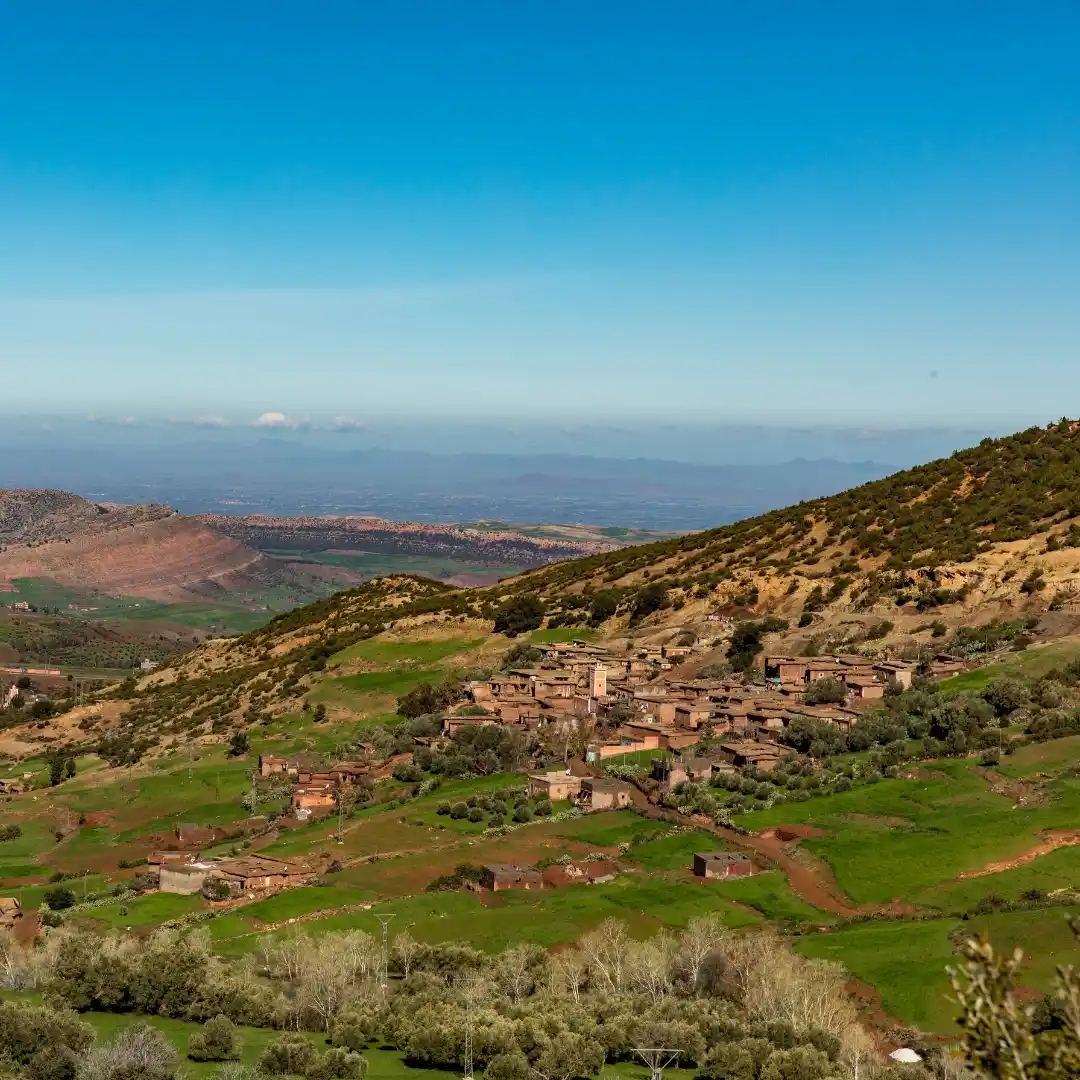
Book the Atlas Foothills Retreat: 3-Day Tour From Casablanca
- 3 days / 2 nights
- Casablanca