Landmark · Casablanca
Dar al Ala Museum
A museum of Andalusian classical music in Casablanca, displaying historic instruments, manuscripts and recordings that trace al-Ala's journey from Andalusia to Morocco.
- Time to allow
- 45 minutes
- Location
- Casablanca, Morocco
- How to visit
- On your own, or as part of a private tour
A visitor guide from our local team — and a favourite stop on our private tours.
Step into the Dar al Ala Museum and experience the rhythmic heart of Moroccan heritage, where centuries of musical tradition resonate through exquisitely preserved instruments. A visit here immerses you in Morocco’s cultural heartbeat, inviting you not only to see artefacts but also to appreciate the very sounds that shaped the nation’s musical identity. Each room tells a story, from the desert-inspired tones of southern lutes to the delicate melodies of northern stringed instruments, reflecting the diverse regions and histories of Morocco.
Good to know
- Opening hours
- 09:00-18:00
- Address
- 17 Rue La Fontaine, Casablanca 20250, Morocco
- Accessibility
- Wheelchair access: Ground floor only (stairs to upper exhibits)
Insider tips
Musician's Secret: Tap the cedar display case near the entrance. It's tuned to middle C for impromptu harmonies. Local Legend: The museum's oldest drum (14th century) is said to vibrate when Atlas Mountain storms approach.
Is this experience for you?
Answer 3 quick questions and we'll tell you honestly whether this visit is your kind of day.
01How do you like a day like this to run?
02How much walking and effort are you up for?
03What are you hoping to get out of the visit?
0 of 3 answered — answer them all to see your result
Dar al Ala Museum: Where Morocco's Musical Soul Comes Alive
A Symphony of History in Every Instrument
Step into the Dar al Ala Museum and experience the rhythmic heart of Moroccan heritage, where centuries of musical tradition resonate through exquisitely preserved instruments. A visit here immerses you in Morocco’s cultural heartbeat, inviting you not only to see artefacts but also to appreciate the very sounds that shaped the nation’s musical identity. Each room tells a story, from the desert-inspired tones of southern lutes to the delicate melodies of northern stringed instruments, reflecting the diverse regions and histories of Morocco.
For a comprehensive overview of Dar al Ala Museum's dedication to preserving Andalusian music, visit L'Observateur's article on lobservateur.info (opens in a new tab).
Why This Museum Matters
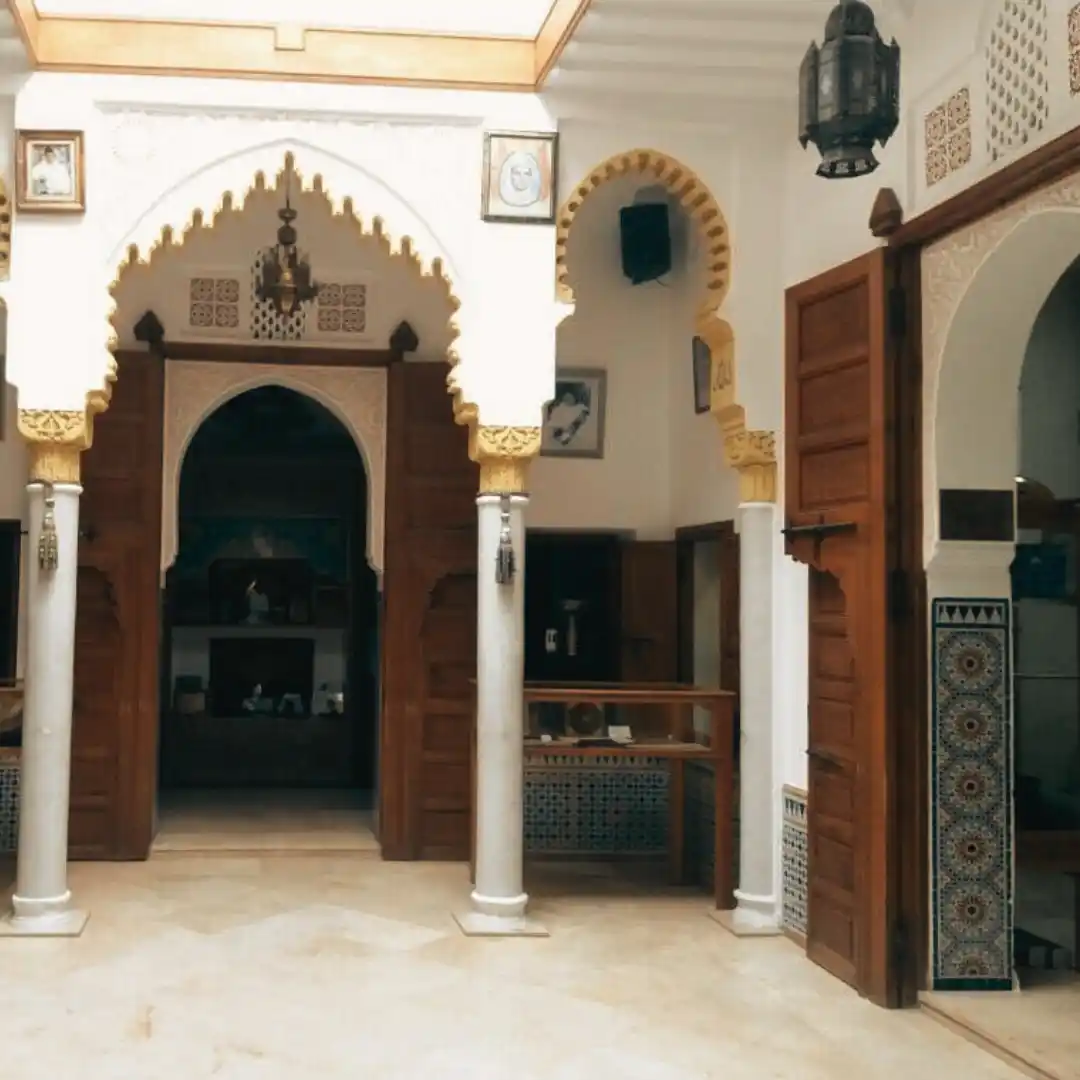
The Dar al Ala Museum matters because it preserves Morocco’s musical traditions in a way few other institutions do. Housed in a restored 19th-century Andalusian-style villa, the museum safeguards instruments and musical practices that might otherwise be lost to time. Visitors encounter the craftsmanship of Fez-made lutes, the resonant skins of mountain drums, and the intricate details of woodwork in every piece. The collection shows how these instruments travelled across trade routes, absorbing influences while maintaining their unique Moroccan character.
This museum serves as a living testament to the nation’s artistic ingenuity and cultural resilience.
What to Notice When You Arrive
At the Dar al Ala Museum, attention to detail enriches the experience. Observe the delicate inlays on lutes, the carved motifs on oud instruments, and the worn textures of century-old drumheads, each telling stories of daily life, celebrations, and rituals. Notice how the Andalusian-style villa itself contributes to the musical ambience, with high ceilings and sunlit courtyards enhancing acoustics naturally. Look out for women’s musical contributions, often overlooked, and for the regional variations between instruments, which together offer a deeper understanding of Morocco’s multifaceted musical heritage.
Pair This With Nearby Gems
The Dar al Ala Museum pairs seamlessly with other cultural landmarks in Casablanca. Also, visit Villa des Arts shows how visual artists interpreted these rhythms in modern works. Nearby, Mahkama du Pacha provides an architectural contrast with its Moorish revival style, and Casablanca Cathedral adds historical context through its Neo-Gothic design. Exploring these sites together offers a rich, multi-dimensional cultural itinerary.
What Locals Know and Visitors Learn
Regular visitors to the Dar al Ala Museum appreciate its interactive and intimate approach. When select instruments are played, the museum fills with authentic sound, helping visitors recognise regional differences in tone and rhythm. Locals often share insights about hidden courtyards where informal performances were once held and the seasonal events that bring the museum to life. Visitors learn not just about the instruments themselves, but also about the artisans, communities, and stories embedded in each note, giving a unique, sensory understanding of Morocco’s musical soul.
Tips Before You Go
To fully enjoy the Dar al Ala Museum, plan to spend about an hour and a half exploring. Morning visits offer quieter conditions and more personal interaction. Be ready to engage your hearing as much as your sight, and if staff are on hand, ask whether an instrument that piques your curiosity can be demonstrated. Photography is usually allowed, though flash should be avoided to protect delicate surfaces. Take time to linger in the villa’s garden and courtyards, where sound carries naturally and the atmosphere enhances the experience.
The Final Verdict
The Dar al Ala Museum is more than a museum; it is a living chronicle of Morocco’s musical heritage. Visitors leave not only with an appreciation for the instruments on display but also with a profound understanding of how music carries stories, traditions, and culture across generations. By blending sound, craftsmanship, and historical insight, the Dar al Ala Museum offers a truly immersive experience, preserving Morocco’s musical soul while inspiring new generations to listen, learn, and cherish this vibrant cultural legacy.
Official information
- Visiting Casablanca (opens in a new tab)Moroccan National Tourist Office
Frequently asked
More to see in Casablanca
- Hassan II Mosque
- Mahkama du Pacha
- Casablanca Cathedral
- Villa des Arts
- Abderrahman Slaoui Foundation Museum
- Hassan II Mosque
- La Corniche
- Quartier Habous
Tagged
Private tours in Casablanca
Tailor-made days and journeys — every one can include this visit
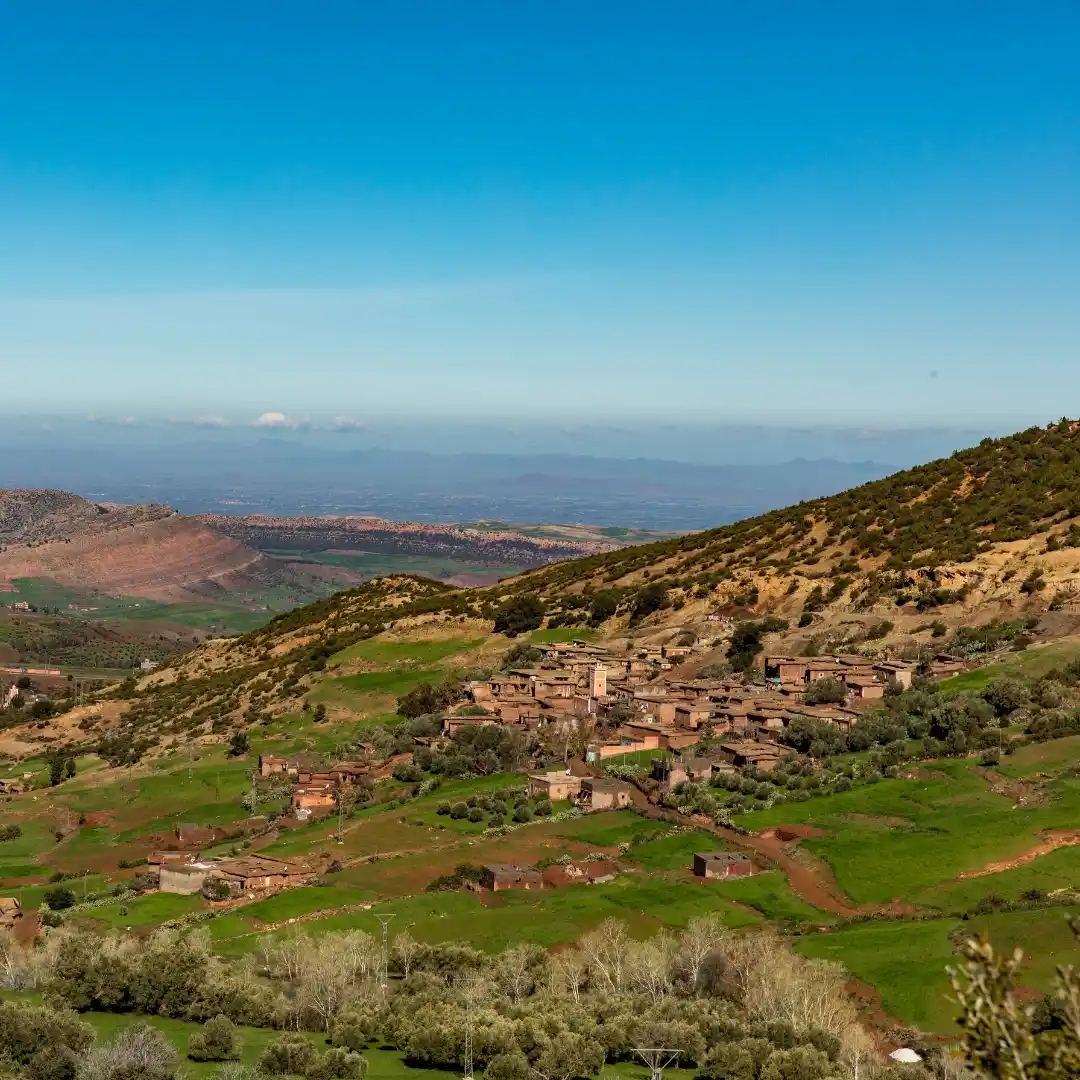
Book the Atlas Foothills Retreat: 3-Day Tour From Casablanca
- 3 days / 2 nights
- Casablanca