
Corporate · For companies
Morocco Incentive Travel: How to Build a Corporate Programme People Will Actually Enjoy
An incentive trip should feel like a reward. Not a conference with better scenery. Not a seven-day itinerary where every morning starts before sunrise.
- Reading time
- 13 min read
- Published
- 24 August 2026
- Written by
- Our Morocco team
- Written for
- Companies
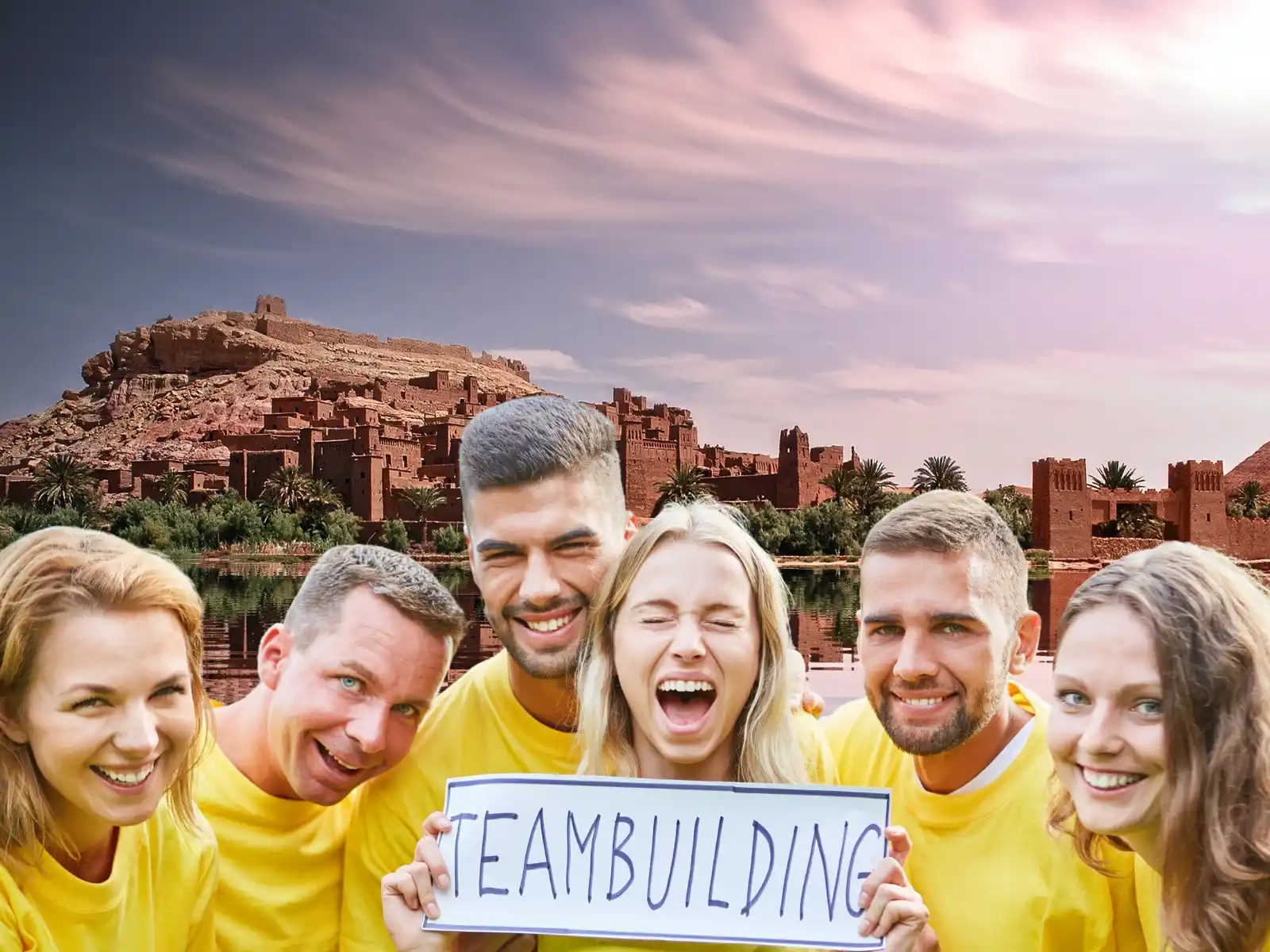
An incentive trip should feel like a reward. Not a conference with better scenery. Not a seven-day itinerary where every morning starts before sunrise. Not a bus journey disguised as a cultural programme. The strongest incentive trips give people enough structure to feel looked after, enough freedom to enjoy themselves and enough genuine local experiences to make the destination matter. Morocco works particularly well for this type of travel because a single programme can combine luxury accommodation, meetings, Moroccan cuisine, historic cities, mountains, desert landscapes, coastal experiences and private activities. The Moroccan National Tourist Office actively promotes Morocco for incentive travel, conferences, employee motivation, team building and professional events. Its MICE programme highlights activities ranging from desert camps and 4x4 excursions to golf, trekking and other group experiences. Marrakech has an established MICE ecosystem with event venues, receptive hotels, agencies, activities and dedicated support for corporate programmes. The Moroccan government also continues to invest in business tourism. In June 2026, the government reported national MICE capacity of 135,000 seats and a target of 2.3 million business and conference visitors by 2030. A new 5,000-seat convention centre is planned for Agadir by the end of 2026. So the question is not whether Morocco offers enough for an incentive programme.
Morocco Incentive Travel: How to Build a Corporate Programme People Will Actually Enjoy
The question is how to use the country without turning the reward into another work assignment.
Start with the reason for the incentive
Before choosing the hotel, destination or activities, define why the company is sending people to Morocco. An incentive programme might reward: Top sales performers High-performing teams Long-service employees Management teams Business partners Distributors Clients International teams A company milestone A successful project The reason matters because the programme should reflect the reward. A top-sales incentive might benefit from competition, exclusivity and premium experiences. A leadership retreat might need privacy, discussion time and a slower schedule. A distributor incentive might focus more heavily on hospitality, networking and client entertainment. An employee reward trip might need a wider mix of activities so participants with different interests have something worthwhile to do. The programme should have an objective before it has an itinerary.
Know your group before designing the programme
A group of 15 senior executives should not receive the same programme as 120 sales employees. Before planning, establish: Number of participants
Previous travel experience
Preferred activity level Cultural interests Expected level of luxury Meeting requirements Budget range This information affects almost every decision. A group of experienced international travellers might appreciate a longer desert programme. A mixed-age group might prefer a shorter desert experience combined with a cultural programme. A group with limited mobility needs careful activity and venue selection. The itinerary should fit the people travelling.
Choose the destination around the experience
Marrakech is often the strongest starting point for Morocco incentive travel, but the city is not the answer to every brief. Marrakech Marrakech offers one of the broadest combinations of accommodation, event venues, restaurants, cultural attractions and activities. The official Marrakech MICE organisation lists conferences, seminars, incentives, team building, gala dinners and event venues among the city's corporate options.
Marrakech works particularly well for: Executive incentives Sales rewards Luxury programmes Team building Corporate dinners Cultural experiences Short incentive trips Multi-day programmes The Atlas Mountains and Agafay region also provide nearby options for outdoor programmes. Agadir Agadir suits groups looking for an Atlantic setting, resort accommodation, outdoor activities, golf, wellness and a less city-focused programme. The destination is also receiving additional MICE investment. Morocco announced a 5,000-seat convention centre for Agadir, planned for completion by the end of 2026. Fès Fès suits incentive programmes where Moroccan heritage and culture sit at the centre of the experience. The historic medina, traditional crafts, food and architecture provide a stronger cultural focus than a standard resort programme. Tangier Tangier works well for northern Morocco, shorter programmes and groups wanting a Mediterranean and Atlantic setting. Essaouira Essaouira suits smaller incentive groups and retreat-style programmes. The city works particularly well as an extension to Marrakech rather than as the base for a large conference. The desert The Sahara offers one of the strongest options for a major incentive moment, but logistics matter.
A desert experience should form part of a properly designed route. It should not be added to the final day because someone decided the itinerary needed "one more thing".
Build the trip around three elements
A strong incentive programme usually needs three different types of time. Work Experience Downtime The balance depends on the purpose of the trip. For a four-night incentive, you might have: One short corporate session Two major group experiences One private dinner One free period One flexible evening The exact structure depends on the company and group. The principle stays the same. Participants need time to enjoy the reward.
Do not fill every hour
This is one of the most common mistakes in incentive planning. Planners sometimes treat free time as wasted time. The opposite is often true. People need time to sleep, use the hotel facilities, have a quiet coffee, speak with colleagues, explore independently or simply do nothing. A packed schedule also creates operational pressure. If breakfast finishes at 08:30, the coach leaves at 08:35, the activity starts at 09:00, lunch lasts 45 minutes and another activity begins immediately afterwards, a minor delay spreads through the entire day. A good incentive programme has breathing room.
Give participants something they would not organise themselves
The best incentive experiences usually involve something difficult to replicate independently. That might be: A private Moroccan dinner A traditional cooking experience A private cultural tour A desert camp A guided Atlas Mountains programme A private riad event A Moroccan music performance A craft workshop A private culinary experience A curated 4x4 excursion A special evening venue The point is not extravagance for its own sake. The experience should feel considered. Participants should understand why the company chose Morocco.
Use Moroccan culture properly
Cultural content should feel like part of the trip, not a compulsory school excursion. Food offers an obvious starting point. So do: Architecture Crafts Music Markets Traditional cooking
Historic medinas Local hospitality Moroccan design Regional traditions
The strongest programmes explain what participants are seeing without turning every stop into a lecture. A private guide also changes the experience. A group walking through a medina without context sees shops and streets. A knowledgeable guide can explain why the neighbourhood developed as it did, how traditional crafts work and what details deserve attention. That is more useful for an international corporate group.
Design team building around an objective
Team building should start with the behaviour you want to encourage. Possible objectives include: Communication Leadership Collaboration Problem-solving Competition Trust Creativity Decision-making Cross-team interaction Morocco offers plenty of settings for structured team activities. Examples include: Cooking challenges Outdoor challenges
Collaborative food experiences
The activity should suit the group. A physically demanding challenge might work for one team and frustrate another. A cooking competition might be ideal for a mixed group with different physical abilities. The activity should create interaction rather than simply place everyone in the same location.
Make the desert a highlight, not a logistical headache
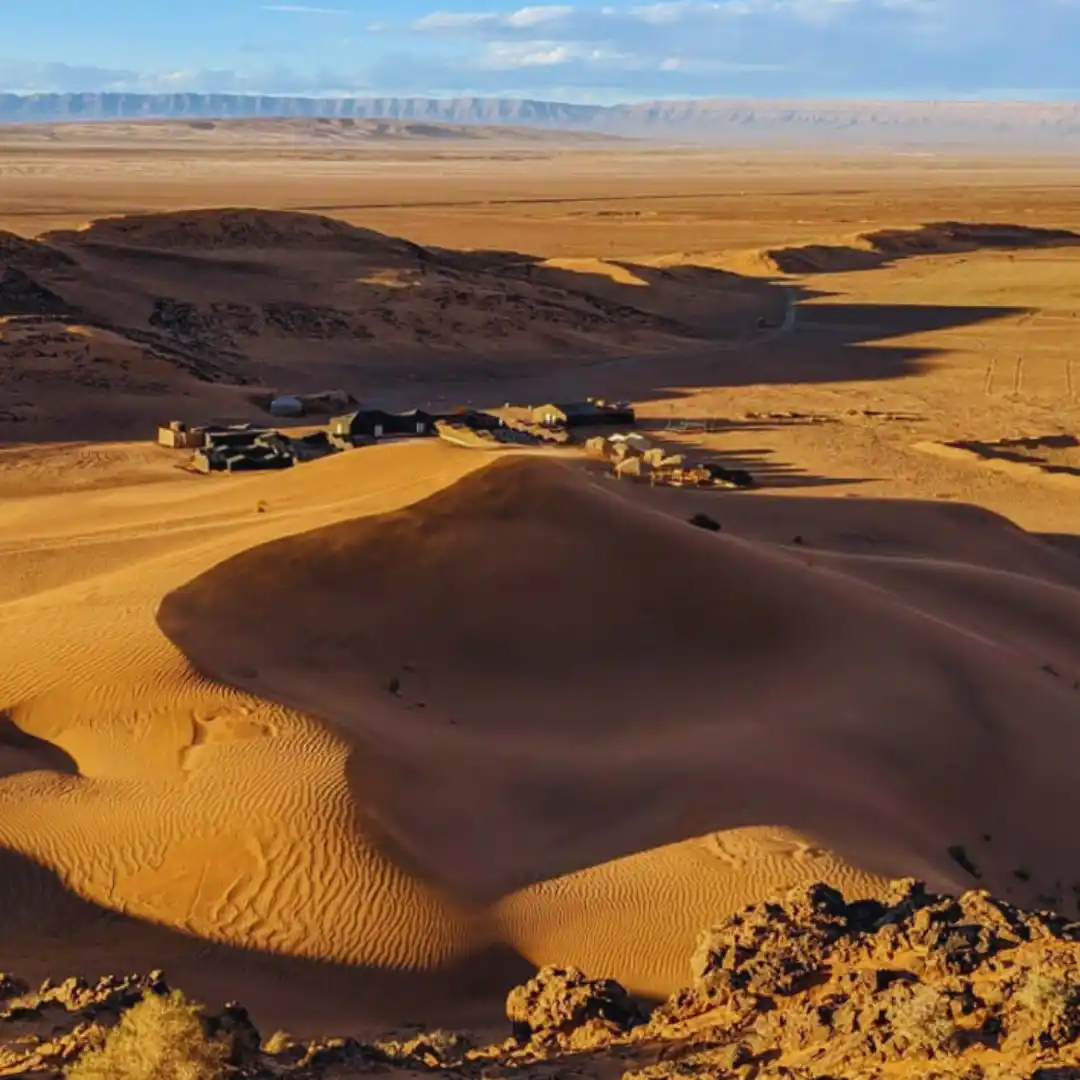
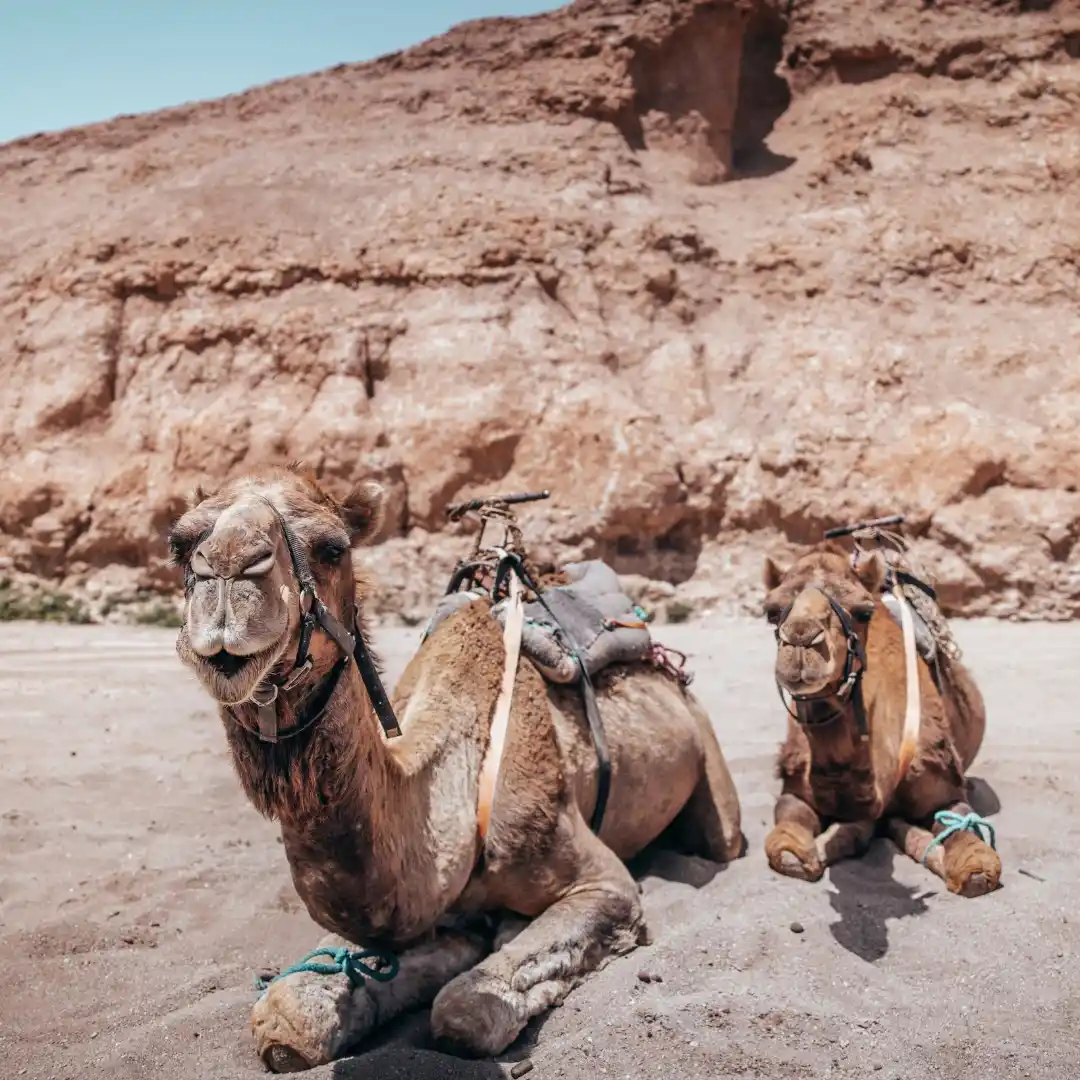
Morocco's desert is one of the strongest assets for incentive travel. The Moroccan National Tourist Office specifically promotes desert camps and 4x4 experiences as part of its MICE offering. But desert programmes need realistic planning. Consider: Distance Road conditions Season Temperature Departure time Arrival time Accommodation Luggage
Activity duration Participant mobility Meal arrangements Return journey
A Sahara programme works best when the route is designed around the desert experience. Trying to fit the Sahara into an already overloaded short itinerary often creates unnecessary driving. For a shorter incentive, Agafay near Marrakech offers a different desert-style setting and shorter logistics.
Give the group a reason to dress up
Corporate incentive travel benefits from contrast. If every evening looks like another casual group dinner, the programme loses some of its sense of occasion. Build one or two evenings around a stronger experience. Possibilities include: Private Moroccan dinner Riad event Luxury hotel dinner Rooftop evening Desert dinner Gala-style evening Cultural performance The evening should fit the group and company culture. A sales team reward might suit a lively celebration. A senior executive group might prefer a quieter private dinner.
Plan one genuinely special moment
Every strong incentive programme needs a moment participants remember.
It does not need to be the most expensive component. It might be: A sunrise in the desert A private dinner in an exceptional setting A mountain experience A cultural performance arranged exclusively for the group A private cooking experience A carefully designed farewell evening A surprise activity The moment should feel connected to the destination. That is stronger than importing a generic corporate entertainment format and putting it in Morocco.
Protect the participants from unnecessary travel
Morocco has excellent variety. The temptation is to show all of it. Resist. A four-night incentive does not need Marrakech, Fès, Casablanca, the Sahara and Agadir. The group needs enough time to enjoy each place. For shorter programmes, one base with nearby experiences often works best. For longer programmes, two destinations might make sense. The Sahara requires particular care because travel time becomes a major part of the programme. The right question is not: "How many places can we include?" Ask: "How much of the trip should participants spend experiencing Morocco rather than travelling between destinations?"
Choose accommodation for the programme, not the brochure
A beautiful hotel is not automatically the right corporate hotel. Consider: Room capacity Room categories Meeting facilities Restaurant capacity Private dining Coach access Parking Location Wi-Fi Breakfast arrangements Group check-in Luggage handling VIP rooms Pool and leisure facilities Privacy Event possibilities If the programme includes several group activities, easy coach access matters. If the company wants meetings on site, meeting facilities matter. If the incentive focuses on relaxation, leisure facilities become more important. If the group needs a private evening event, venue flexibility matters. The hotel should support the programme.
Build in genuine free time
Free time is not a failure in the itinerary. It is part of the incentive.
Participants might want to: Use the spa Sit by the pool Explore the neighbourhood Shop Take photographs Rest Have a drink Spend time with colleagues Make a private phone call Do nothing The last option is underrated. People travelling as part of a corporate group still need personal space.
Think about seasonality before confirming dates
Morocco's climate varies significantly between regions. Marrakech, the interior and the desert experience hotter conditions than Atlantic destinations. Summer requires particular care with outdoor programmes. Desert activities also need careful timing during hot periods. Winter introduces different considerations for mountain programmes and northern destinations. Before confirming the programme, check: Daytime temperatures Night temperatures Sun exposure Rainfall Mountain conditions Desert conditions
Public holidays Ramadan Hotel demand Flight availability Seasonal pricing
The right itinerary in April might be the wrong itinerary in August.
Plan Ramadan carefully
Ramadan follows the Islamic lunar calendar, so dates shift each year. During Ramadan, the daily rhythm changes. For international corporate groups, this affects: Meal timing Restaurant schedules Activity timing Meeting schedules Evening programmes Transport planning Participant expectations This does not mean avoiding Morocco during Ramadan. It means planning around the rhythm of the country. A well-designed programme respects local practices while making sure international participants know what to expect.
Make food part of the incentive
Food gives corporate groups a natural way to experience Morocco. Instead of treating meals as fuel between activities, use selected meals as part of the programme. Options include: Moroccan cooking experiences
Market-based culinary experiences
Corporate gala dinners Consider dietary requirements from the beginning. Ask about: Vegetarian meals Vegan meals Allergies Religious dietary requirements Food intolerances Alcohol preferences Children or accompanying guests, where relevant A meal becomes part of the experience when the setting, menu and service receive the same attention as the activity.
Make the programme work for different personalities
Every corporate group contains different types of travellers. Some participants want adventure. Some want culture. Some want food. Some want photography. Some want wellness.
Some want shopping. Some want time alone. You do not need seven separate programmes. Build a core itinerary with selected periods where participants have choice. For example, a free afternoon in Marrakech might allow participants to choose between: Spa Shopping Cultural visit Golf Pool time Independent exploration This gives the group structure without forcing everyone into the same activity.
Give VIPs the right level of attention
VIP participants might need: Higher room categories Private transfers Dedicated vehicles Private guides Flexible schedules Separate dining arrangements Priority airport assistance Additional privacy Personalised experiences The important point is integration. VIP arrangements should fit the group programme rather than create unnecessary disruption.
Plan the transport as part of the experience
Transport is one of the least glamorous parts of incentive travel. It is also one of the easiest places to create problems. For each movement, consider: Group size Vehicle type Luggage Journey duration Road conditions Comfort stops Departure time Arrival time Driver coordination Guide allocation Parking Coach access For larger groups, several vehicles often work better than one oversized movement. The transport plan should also account for people arriving on different flights. Airport arrival coordination matters before the first activity even begins.
Use a local DMC or operator for the operational layer
An incentive programme has many moving parts. Hotels. Restaurants. Transport. Guides. Activities. Venues.
Entertainment. Photography. VIP services. Airport arrangements. A local DMC or experienced Morocco operator brings these elements into one operational plan. The official Marrakech MICE organisation itself lists receptive agencies, hotels, event venues and professional providers as part of the region's MICE ecosystem. For a corporate planner outside Morocco, local coordination also provides practical value. The local partner knows the suppliers. The local partner understands the geography. The local partner sees the programme on the ground. The local partner handles changes while the corporate planner stays focused on the company and participants.
Give the DMC a proper incentive brief
Do not send: "We have 50 people. Please send your best Morocco incentive." Give the DMC useful information. Include: Number of participants Dates Departure markets Arrival airport Purpose of the incentive Participant profile Hotel category Room configuration Budget range
Desired level of exclusivity
Destinations under consideration Experiences the company wants to avoid This allows the local partner to design rather than guess.
Build a budget around the experience
Do not spend the entire budget on accommodation and then attempt to create the incentive with whatever money remains. Divide the budget into: Accommodation Transport Meeting facilities Activities Team building Meals Corporate dinners Guides Venues Entertainment Photography
VIP services Local coordination Contingency
The most expensive component does not automatically create the strongest experience. A carefully planned private dinner might create more impact than upgrading every participant's room. Budget according to the objective.
Leave room for the unexpected
A good incentive programme needs flexibility. Flights arrive late. Weather changes. Participants get tired. Someone misses the meeting point. A restaurant changes availability. An activity needs adjustment. A road delay affects the schedule. The operational plan should have alternatives. This is another reason local coordination matters. The participants should experience a smooth programme. They do not need to see every problem behind it.
What makes people actually enjoy an incentive trip?
The answer is not luxury alone. Participants usually need a combination of: Good accommodation Comfortable transport Interesting experiences
Genuine local experiences
The best incentive programmes also avoid making participants feel like they are attending another corporate event. They should know why the company chose Morocco. They should have time to enjoy the destination. They should return feeling rewarded rather than relieved that the itinerary is over. How VMT approaches incentive travel in Morocco VMT develops private corporate programmes around the group rather than placing every company into the same standard itinerary. Depending on the brief, a programme might combine: Marrakech Atlas Mountains Agafay Fès Essaouira Agadir Tangier Merzouga and the Sahara The programme might include private transport, licensed local guides, cultural experiences, team activities, desert experiences, corporate dinners, photography and other specialist services. The starting point should always be the group.
Who are they?
Why are they travelling? What should they experience? How much time do they have? What should the company achieve? Once those questions have answers, Morocco gives you plenty of ways to build the programme around them. FAQ What is incentive travel? Incentive travel is a company-funded trip designed to reward, recognise or motivate employees, teams, clients or business partners. The programme often combines accommodation, activities, dining, cultural experiences and selected business sessions. Why is Morocco good for incentive travel? Morocco combines established MICE infrastructure with diverse destinations and activities. Corporate programmes can include cities, mountains, desert environments, Atlantic destinations, cultural experiences and private events. The Moroccan National Tourist Office actively promotes the country for incentives and team building. What is the best destination in Morocco for incentive travel? Marrakech is one of the strongest all-round options because of its accommodation, event infrastructure, cultural experiences and access to nearby activities. Agadir, Fès, Tangier, Essaouira and the desert offer different options depending on the programme. How many days should an incentive trip to Morocco last? Four to five nights often gives a corporate group enough time for a meaningful programme without excessive travel. Longer programmes allow two destinations or more extensive experiences. Is Marrakech good for corporate incentive trips? Yes. Marrakech has dedicated MICE infrastructure, receptive hotels, event venues, agencies and activities suitable for incentives, team building, seminars and corporate events. Is the Sahara suitable for corporate incentive travel? Yes, provided the programme allows sufficient travel time and the route is planned around the desert experience. Desert camps and 4x4 experiences form part of Morocco's official MICE offering.
Should an incentive programme include team building?
Team building works well when the activity has a clear objective and suits the group. It should not appear in the programme simply because corporate itineraries are expected to contain a team-building session. What is the biggest mistake when planning an incentive trip? Overloading the itinerary. Participants need time to rest, explore, socialise and enjoy the hotel as well as attend organised activities. What does a DMC do for an incentive programme? A DMC coordinates local suppliers and operations. This often includes accommodation, transport, guides, activities, restaurants, venues, VIP arrangements and on-site coordination.
Official sources
- Morocco travel advice: entry requirements, safety and health (opens in a new tab)UK Foreign, Commonwealth & Development Office
- Medina of Marrakesh (opens in a new tab)UNESCO World Heritage Centre
- Medina of Fez (opens in a new tab)UNESCO World Heritage Centre
.webp)